Descendants of the victims of the mass killings of Armenians in 1915 say contemporary geopolitical interests are impeding formal recognition of the events widely described by historians as a genocide.
Survivor testimony and the fight for recognition
Stephan Pechdimaldji, an Armenian-American activist and the grandson of two survivors, told RFI that remembering the past remains a personal duty. He described how his grandfather, born in 1900 in Yozgat, was taken as a boy when the systematic deportations and massacres began.
"I felt it was my duty as a descendant to keep his memory alive, so that it doesn't get lost to the dust bin of history."
His grandfather's father and brother were taken by Turkish soldiers and never seen again, Mr Pechdimaldji said. The young man escaped, travelled via Aleppo in Syria and finally settled in Egypt, where he met his future wife. His grandmother, from Smyrna (now Izmir), also fled persecution and settled in Egypt.
Diplomatic pressure and energy ties
The centennial and subsequent decades have seen an uneven pattern of recognition internationally. The source notes that around 35 countries have formally recognised the events of 1915 as genocide, with France cited as an example. Turkey acknowledges mass deaths in that period but rejects the legal and political label "genocide" and has spent a century lobbying against formal recognition.
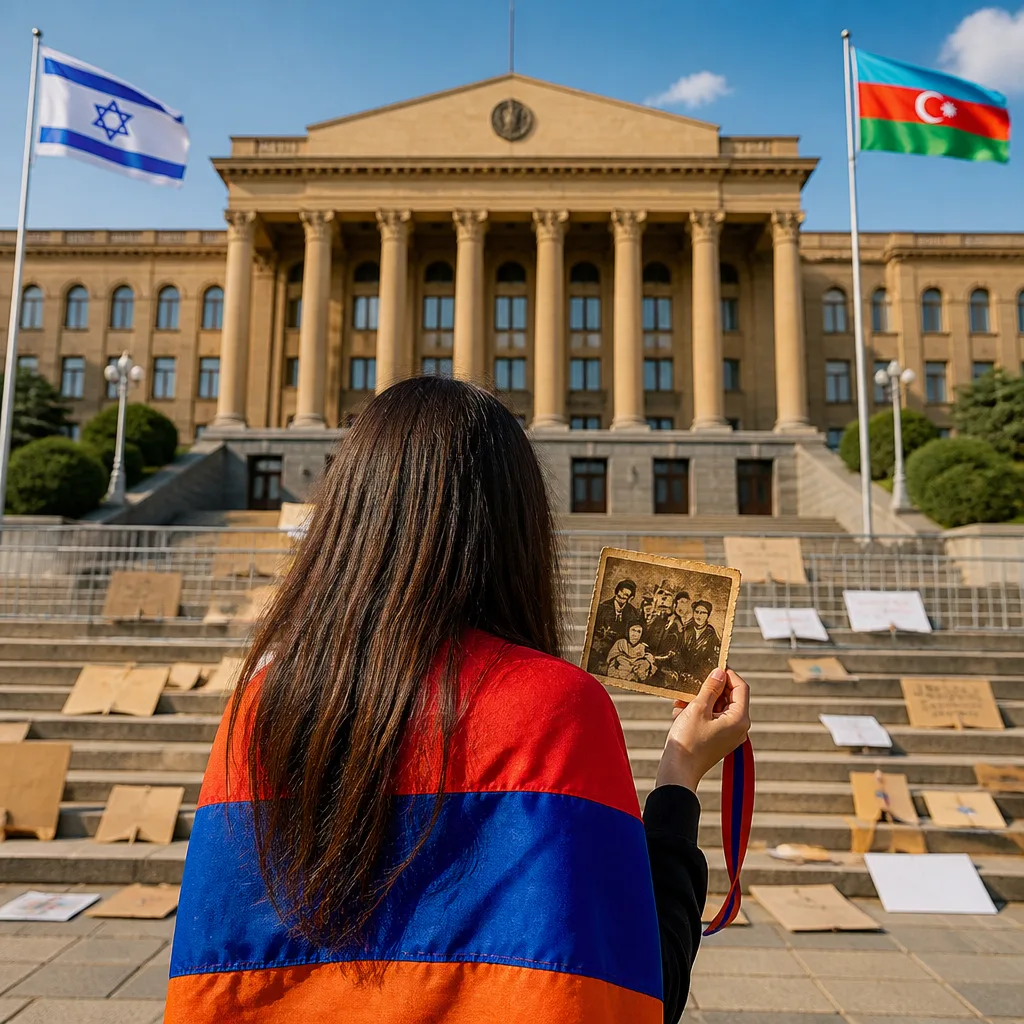
More recent diplomatic dynamics have continued to shape parliamentary decisions abroad. The report says Israel appeared poised to join the group of recognising states this year but postponed a vote indefinitely after protests from Azerbaijan. The two countries are close allies and, according to the source, Azerbaijan is a significant supplier of oil to Israel.
Why recognition still matters
For survivors' descendants and activists, recognition is not merely symbolic. It is framed as a means of preserving memory and of securing accountability in historical discourse. Mr Pechdimaldji said that silence risks consigning survivors' experiences to oblivion. He spoke of family silence about the events and of his own decision to become an advocate for recognition to ensure those stories are not lost.
- Historical claim: The Ottoman-era deportations and killings of Armenians in 1915 are regarded by historians as a genocide, with an estimated 1.5 million victims referenced in the source.
- Recognition status: Roughly 35 countries have formally recognised the genocide; Turkey disputes the term.
- Recent developments: Israel postponed a parliamentary vote after strong protests from Azerbaijan, underscoring the role of diplomatic and energy ties.
| Actor | Position / Action (as reported) |
|---|---|
| Turkey | Accepts mass deaths occurred but rejects the term "genocide" and lobbies against recognition |
| Israel | Postponed parliamentary vote on recognition after protests from Azerbaijan |
| Azerbaijan | Protested the Israeli vote; described as a close ally of Turkey and a major supplier of oil to Israel |
The interplay of historical memory and present-day geopolitics is evident. Recognition campaigns collide with alliances and strategic interests, including energy supplies, that inform parliamentary timetables and diplomatic posture. For descendants such as Mr Pechdimaldji, those external pressures do not lessen the moral urgency of remembrance.
Whether more countries will move to formal recognition remains uncertain. The source indicates that diplomatic lobbying continues to be a powerful factor in decisions in national legislatures, and that public and parliamentary debate over recognition is likely to continue where history, human rights and international relations intersect.