The government will give local authorities expanded powers to block new bookmakers and vape shops and impose stricter planning controls on 24-hour slot machine venues, ministers announced on Monday as part of a package intended to revive Britain’s beleaguered high streets.
What ministers are changing
The proposals include the abolition of the so-called "aim to permit" rule — a planning practice introduced during Tony Blair’s administration that limited councils’ ability to refuse licences for gambling premises and late-night gaming centres. Under the new rules, councils will have greater scope to refuse applications for betting outlets and for premises housing continuous slot and fruit machines unless planning permission is granted.
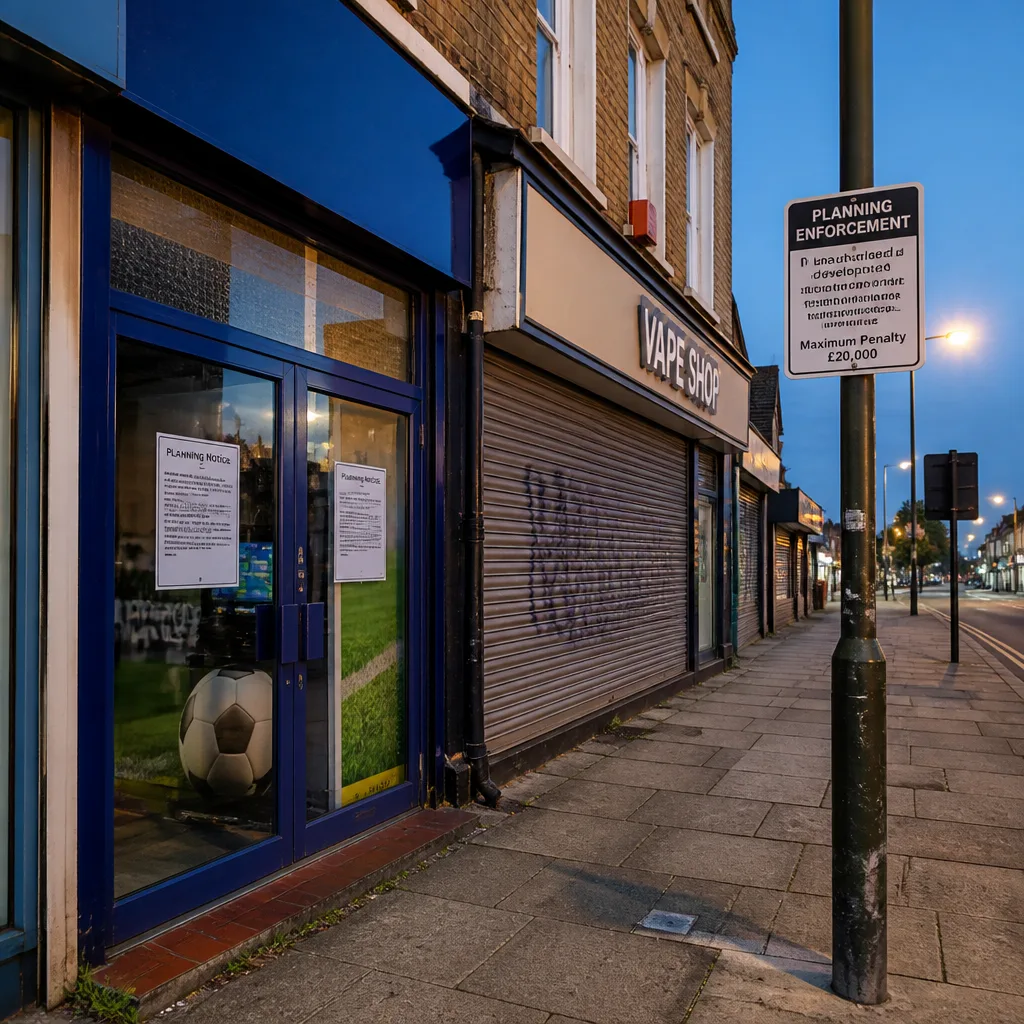
Vape retailers will face tighter regulation. New vape shops will be required to obtain planning approval from next year, and the legal definition of a vape shop is to be narrowed to prevent some businesses from claiming to be convenience stores to avoid controls.
- Removal of the aim to permit constraint on refusing gambling premises.
- Mandatory planning consent for new vape shops from next year.
- Requirement for planning permission for centres operating 24-hour slot and fruit machines.
- Longer police closure powers for suspected organised-crime linked premises, doubled to up to a year.
- New guidance on shopfront design aimed at reducing "garish neon signs" and oversized signage.
Government aims and policing powers
The package of measures is billed as an attempt to halt long-term decline on town centres and to restore community-oriented uses. Ministers say the rules will help local leaders shape high streets that better reflect residents’ needs and expectations.
As part of the enforcement strand, the proposals extend the period for which police may close premises suspected of links to organised crime from the existing limit to up to a year, giving officers what the government describes as additional time to investigate and disrupt illicit activity in shops such as barbers, vape outlets and nail salons.
"For many people, the high streets they grew up with have been hollowed out and become unrecognisable over decades of decline," the minister said, adding that the rise of vape shops, betting shops and rogue operators had displaced services and community spaces.
Officials also propose practical guidance for councils on improving the appearance of town centres. That includes expectations for the design of shopfronts to tackle oversized branding and intrusive lighting which ministers say can undermine local character.
Context and likely consequences
The changes strike at long-standing tensions in planning policy between loosening rules to encourage investment and giving councils local discretion to shape streetscape and amenities. The removal of the aim to permit constraint returns decision-making power more explicitly to local planning authorities and could make it harder for gambling and vaping operators to open in town centres.
How quickly the reforms will change the makeup of high streets depends on implementation. Requiring planning permission for new vape retailers from next year creates an immediate procedural hurdle, but councils will need resources and clear local plans to use the new powers effectively.
Separately, extending police closure powers raises questions for civil-liberties advocates about safeguards and oversight; ministers say the measure is aimed at tackling illegal activity and organised crime networks that exploit seemingly legitimate retail outlets.
| Current rule | Proposed change |
|---|---|
| aim to permit restricts refusals for gambling premises | abolition of aim to permit; councils gain discretion to refuse |
| vape shops treated as retail, no special planning consent | new vape shops to require planning approval from next year |
| temporary police closure orders (shorter duration) | closure orders extended to up to one year |
The measures form part of a domestic agenda to reassert local control over town centres and to address visible changes in retail composition. Proponents argue this will help bring back services and vibrancy; critics may caution that planning restrictions alone will not counter broader economic shifts such as online retail and changing consumer habits.
Ministers said they were beginning the process of reform now and signalled further practical support for councils to follow. The coming months will show whether local authorities can translate the new powers into different uses for vacant units and a redesign of town-centre environments that residents say they want.