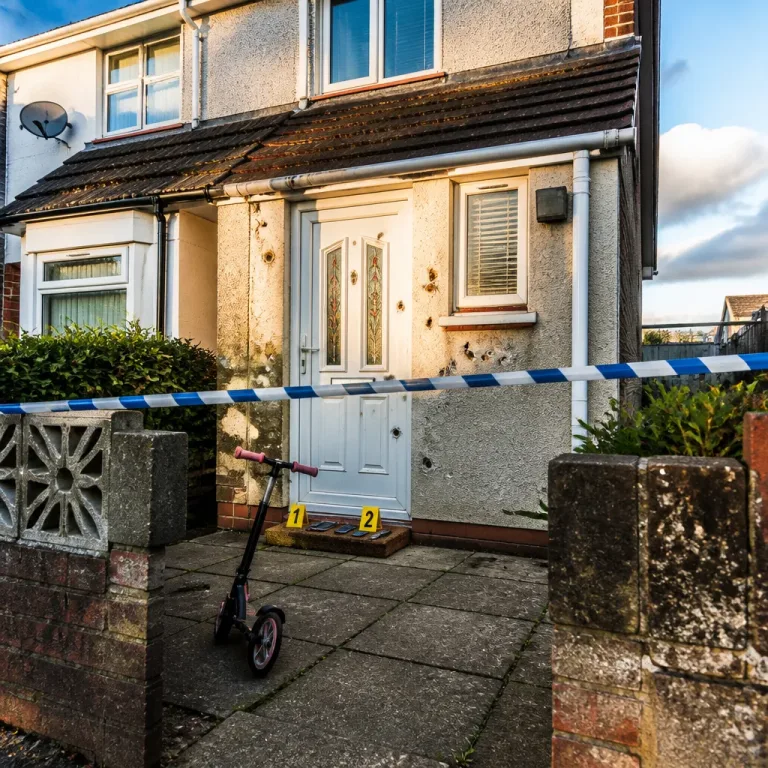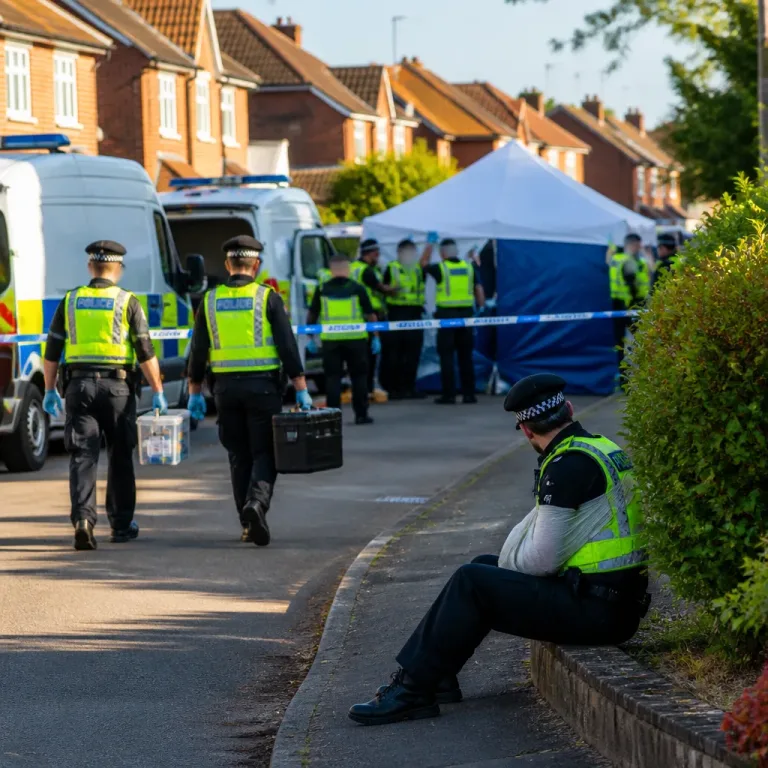
New instalments of a BBC true‑crime documentary have prompted intense public response after the broadcaster released further episodes that follow criminal investigations closely from first call to case conclusion.
Unflinching depiction of investigations
Murder 24/7, a documentary‑style series first broadcast in 2020, presents a detailed account of inquiries including initial emergency calls, forensic processes and the identification of suspects. The show’s most recent episodes, which remain available on BBC iPlayer, focus on cases handled by county forces and have been described by some viewers as hard to watch.
Across its three series the programme has concentrated on the operational work of police. The first run examined the work of Essex Police; subsequent series have followed West Mercia Police. The BBC’s approach is to chart the progression of investigations in a format that lays out evidence, timelines and police procedure.
Public reaction and concerns
Audience responses posted online reflect a mixture of fascination and distress. Some viewers praised the show’s grip and detailed presentation; others said particular scenes were deeply upsetting. One social media user commented that an episode was “absolutely brutal” and another described their reaction as being unable to continue watching.
“Absolutely brutal.... I couldn't believe them episodes, they were brutal.”
Examples cited in public commentary include an episode featuring officers attending a flat where a man was found deceased in an armchair, his face covered by a towel, and another depicting a 999 call reporting a woman discovered with a stab wound to the abdomen where investigators subsequently questioned whether events fitted a straightforward account.
- Series launch: 2020
- Recent focus: fresh episodes added to BBC iPlayer
- Police forces featured: Essex Police (series one); West Mercia Police (series two and three)
| Series | Featured force |
|---|---|
| 1 | Essex Police |
| 2 | West Mercia Police |
| 3 | West Mercia Police |
Questions for broadcasters and police
The series revives familiar debates about the portrayal of violent crime on television: whether granular exposure of scenes and investigative material serves the public interest by increasing transparency, or risks distressing viewers and encroaching on the privacy of victims and their families. The programme’s format, which draws the audience through the procedural steps of an inquiry, prompts reflection on the balance between editorial ambition and sensitivity.
Broadcasters and policing bodies have in recent years become more willing to allow cameras into operational settings to illustrate how cases are handled. Supporters of such access argue it can demystify forensic work and help the public understand police decision‑making; critics caution against the potential for re‑traumatisation and the dangers of conflating factual reconstruction with entertainment.
Although viewers have reacted strongly, commentary also highlights the series’ capacity to hold a mirror to investigative practice. For some, following the work of officers in near real time underscores the complexity of modern policing and the investigative techniques that underpin prosecutions.
As with all reporting of recent criminal cases, the broadcast material and public discussion must be handled with care where matters remain active or subject to legal restrictions. The depiction of sensitive incidents raises immediate ethical questions for programme-makers and those granting access to operational policing, particularly in how footage is framed and the safeguards applied to protect victims and witnesses.
The BBC’s decision to keep the episodes available on its streaming platform means the debate about crime coverage and its impact on audiences is likely to continue as viewers watch and respond to the material.