
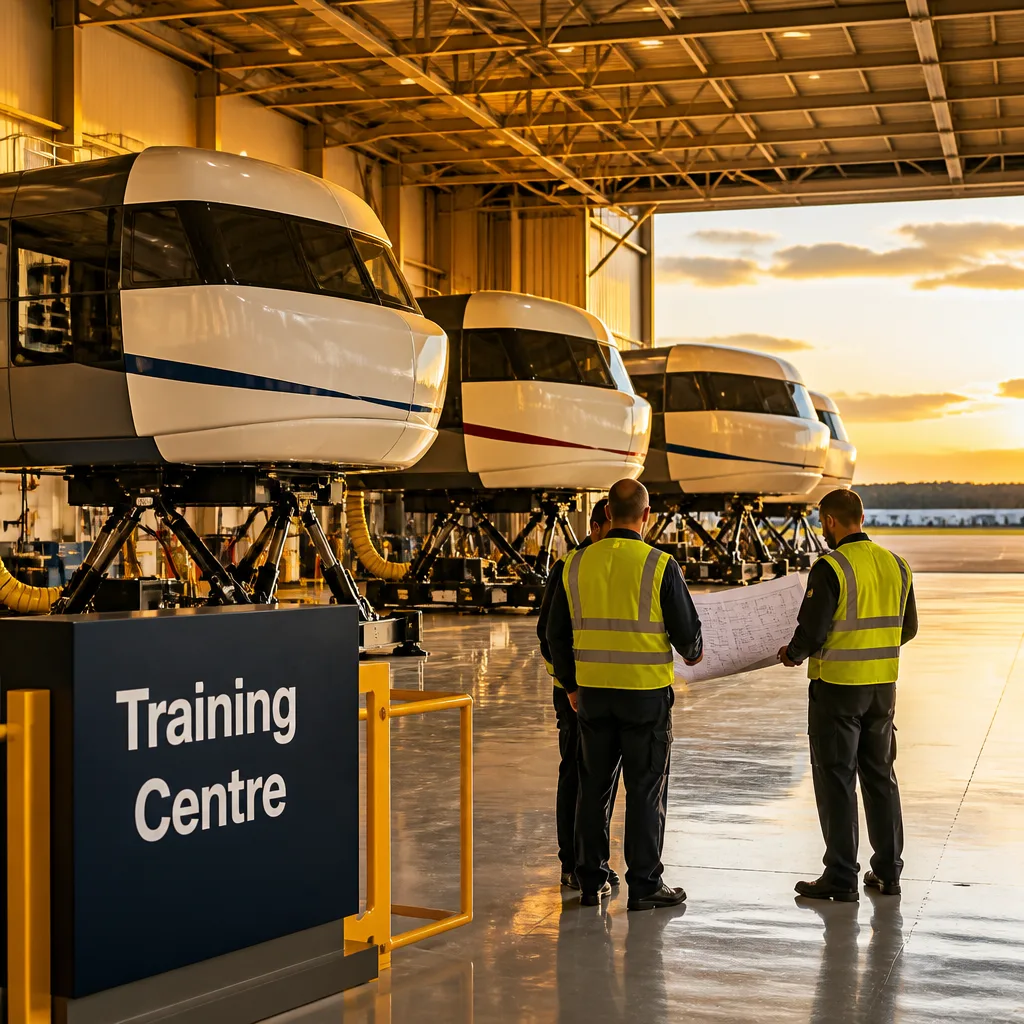
FlightSafety International has signed a definitive agreement to acquire the Commercial Training Solutions (CTS) division of Acron Technologies, a transaction the companies expect to complete in the fourth quarter of 2026. The deal will expand FlightSafety’s simulator fleet and training operations, tapping into CTS’s decades‑long role in commercial airline education.
What is being bought
The transaction covers CTS’s Training Systems, Training Services, Aviation Academy and Driver Training businesses. CTS has delivered in excess of 850 training devices during its history, with more than 300 full‑flight simulators currently in operation worldwide. Its manufacturing and training sites span the United States, the United Kingdom and Thailand.
“CTS’s commercial simulation and training expertise aligns with our long‑term growth strategy and will allow FlightSafety to better serve the training needs of airlines throughout the world,”
said FlightSafety chief executive Eric Hinson. David Coward, president of CTS, said the agreement would facilitate additional investment in training technology and extend the organisation’s international footprint.
Sector context and demand drivers
Both companies framed the acquisition against a sustained expansion in global airline capacity. Industry projections cited in the announcement anticipate the commercial fleet growing from about 28,000 aircraft in 2025 to more than 50,000 by 2045. That increase implies substantial extra demand for pilot training, simulator hours and academy places over coming decades.
For FlightSafety — which already operates one of the world’s largest simulator fleets and provides training to personnel from over 170 countries across six continents — the purchase consolidates its role as a dominant training provider for airlines, technicians and other aviation professionals.
Implications for jobs, wages and operational resilience
Analytically, the deal is significant for three linked reasons:
- Capacity: adding hundreds of devices and established training centres can reduce bottlenecks in simulator availability, a chronic constraint that has previously pushed up training costs and delayed pilot certification.
- Investment and technology: consolidation under FlightSafety may speed investment in higher‑fidelity simulation and digital training tools, potentially raising productivity but also altering the skills demanded of instructors and engineers.
- Regional employment: with CTS facilities in the UK among others, local workforces involved in simulator maintenance, instruction and manufacturing face direct effects from integration and future investment decisions.
For employees, the key questions will be whether FlightSafety retains existing staff and whether pay structures and career progression change under the new owner. While the companies have emphasised growth and reinvestment, past consolidations in training and aerospace have sometimes led to workforce rationalisation as operations are standardised.
What Acron gains and next steps
For Acron Technologies, selling CTS allows the group to concentrate on its remaining Aerospace Solutions and Defence & Rescue Technologies businesses. The vendor said the divestment will let it redeploy resources towards those operations.
The firms expect regulatory and customary closing steps to conclude before the end of 2026. Until the deal is complete, both sides will continue to operate independently and have not disclosed any detailed plans for site restructuring or redundancies.
| Key figures | Number |
|---|---|
| Training devices delivered by CTS | 850+ |
| Full‑flight simulators in service | 300+ |
| Projected global fleet (2025) | ~28,000 |
| Projected global fleet (2045) | 50,000+ |
| Countries FlightSafety trains from | 170+ |
The acquisition underscores how the training sector is responding commercially to long‑term aircraft demand. For airlines, larger training suppliers may deliver more reliable access to simulator hours and potentially more competitive pricing, but consolidation also reduces the number of independent providers, which could influence bargaining over instructor rates and academy fees.
Regulators and industry watchdogs will monitor the combined group’s market position and any effects on competition for service contracts, particularly where national security or defence training overlaps with commercial provision. For now, the market remains watchful: more capacity is welcome, but the distribution of jobs, wages and services will determine whether the deal benefits the wider aviation workforce or primarily the new owner’s balance sheet.














