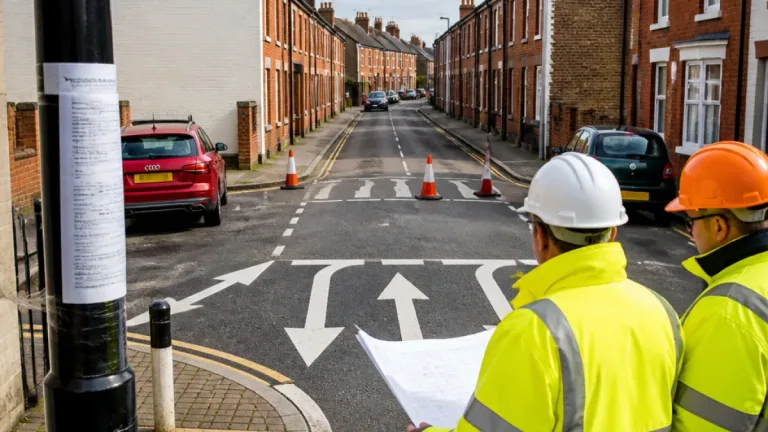
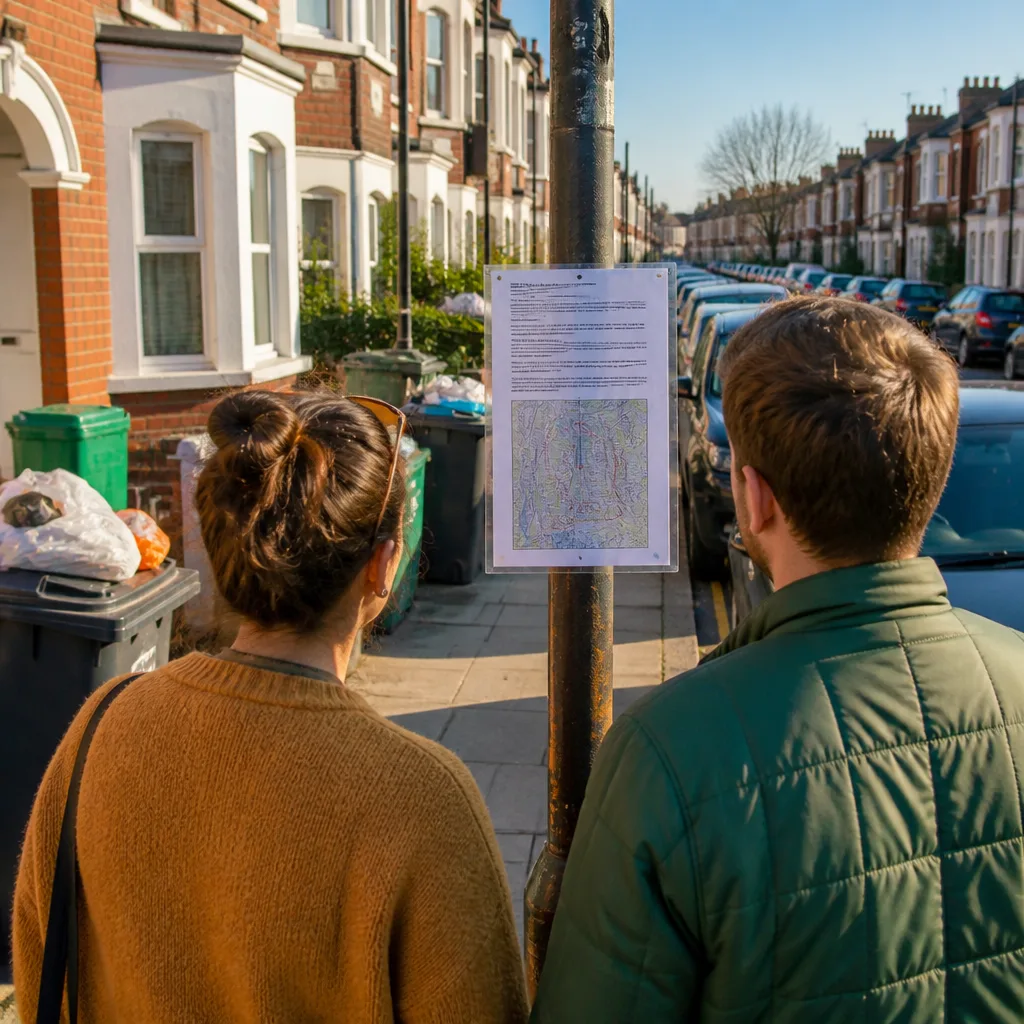
Hinckley and Bosworth Borough Council has introduced a planning restriction designed to limit the number of houses in multiple occupation (HMOs) in parts of Barwell and Earl Shilton.
New requirement for planning permission
From Friday, owners wishing to change family homes into HMOs in the designated streets must apply for planning permission because of an Article 4 Direction adopted by the council. The move follows complaints from residents about problems they link to shared properties, including concerns over parking, rubbish and noise.
The council, which is run by the Liberal Democrats, said the direction removes the automatic permitted development right that otherwise allows such conversions without planning consent. It emphasised that existing lawful HMOs in the two settlements will not be affected by the change.
What the Article 4 does
An Article 4 Direction enables a local planning authority to require developers to apply for planning permission for specific types of development that would ordinarily proceed under permitted development rights. In this case, the change means:
- Properties in the specified streets in Barwell and Earl Shilton cannot be converted into HMOs without planning approval.
- Homes already operating lawfully as HMOs will remain as before and are not subject to retroactive controls.
- The measure is targeted at areas where councillors say residents have reported nuisance and local amenity pressures.
The council framed the step as a response to local complaints rather than a blanket policy intended to reduce HMO numbers across the borough.
Local pressures and wider context
Residents in parts of Leicestershire have been vocal about the effects they attribute to concentrations of shared houses: limited parking, refuse issues and disturbance. Councils across England have increasingly turned to Article 4 Directions to manage the impact of HMOs in small geographic areas, allowing planning committees to consider proposals on a case-by-case basis.
Without an Article 4, properties that meet the national description of an HMO can often change use without the involvement of the local planning authority, reducing local control over housing mix and neighbourhood character. The Article 4 restores that control by bringing such conversions back under the planning system.
| Before Article 4 | After Article 4 |
|---|---|
| Permitted development rights could allow HMO conversions without planning permission | Conversions in the designated streets require planning permission |
| Existing lawful HMOs continue unaffected | Existing lawful HMOs remain unaffected |
Councils must publish the exact area covered by any Article 4 and provide guidance for how applications will be assessed. The authority has not said it is introducing a borough-wide restriction; the new rule applies specifically to identified streets in Barwell and Earl Shilton.
Consequences and next steps
Landlords seeking to convert homes in the affected streets will now face the additional step of submitting a planning application, giving residents and councillors the opportunity to make representations. That could slow or deter some changes of use, and may lead to refusals where planning officers and councillors judge proposals to harm local amenity.
The council’s action may be watched by other local authorities dealing with similar complaints, particularly in towns where HMOs cluster on particular roads. For residents concerned about parking, refuse and noise, the Article 4 offers a route to greater scrutiny of proposed changes of use. For landlords, it reintroduces a regulatory hurdle and uncertainty in affected locations.
Hinckley and Bosworth Borough Council has said the measure is a response to local feedback; it did not announce any immediate plans to extend such controls beyond the named streets.