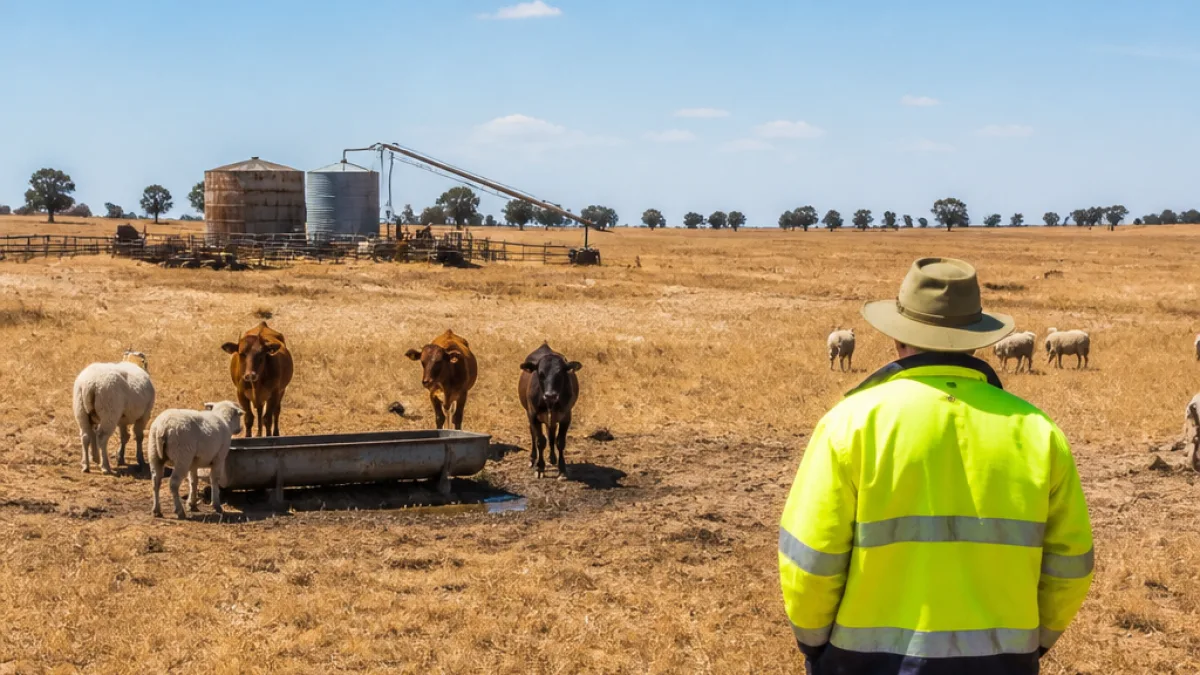
Dry summer leaves fields and farmers in the Chichester district under strain
Weeks of sustained high temperatures and an almost complete absence of rain have hit farms across the Chichester district, leaving many growers and livestock keepers facing heavy losses and difficult choices about the coming year.
Data collected for the region show July brought just 0.7 mm of rainfall — scarcely one per cent of the long‑term average — while mean temperatures ran more than 3 °C above normal. Farmers say that combination has pushed soils, crops and animals close to breaking point.
On his 600‑hectare holding at Bignor, near Petworth, one farmer described a season in which promising winter crops were undermined by the summer’s heat and lack of rain, with some spring plantings receiving almost no water from sowing through to harvest. The result, he said, is “some of the worst yields local farmers have ever seen”.
“Without rain soon, it will be difficult to get ewes in the desirable condition for breeding and will start to impact next year too.”
The impacts are being felt across different types of farming in the district. Arable growers report significantly reduced yields; livestock producers are drawing on winter forage stocks earlier than usual; and fruit growers are assessing longer‑term changes to protect crops.
Water access differentiates who copes
Agronomists and local farmers point to access to water storage and mains supplies as a key factor separating those who have managed and those now facing very hard decisions. Where on‑site water storage or mains connections exist, farms have been able to sustain crops and glasshouse production. Without storage, difficult choices about which crops to prioritise become unavoidable.
A Sidlesham farmer and agronomist noted that while his family’s fruit farm can still draw on mains water, planning is already under way to reduce vulnerability in future years. Practical measures under consideration include capturing winter rain from greenhouse roofs and using shade netting over polytunnels — techniques already used in hotter climates, he said, though the inputs are costly.
- Immediate effect: reduced yields and scarce forage, increasing pressure on livestock condition and future breeding.
- Short‑term coping: those with water access have fared better; others face crop losses and hard prioritisation.
- Adaptation measures: rain capture, shade netting and revised crop choices are being considered, but can be expensive.
Farmers also warned that the situation is being compounded by high fertiliser costs and the threat of disease such as bluetongue — a reminder that weather shocks do not act in isolation. The combination of rising input costs and lower output this season is likely to squeeze already tight farm finances.
| Measure | Reported value |
|---|---|
| July rainfall for the region | 0.7 mm |
| Mean temperature anomaly | +3 °C |
Looking ahead: shortfalls this year may affect next
Producers warned that without meaningful rain, this season’s shortages will ripple into next year. For sheep farmers, inadequate forage and poor body condition after a dry summer will make it harder to get ewes into the condition required for breeding, with knock‑on effects for flock productivity.
Local agronomists are advising more investment in resilience measures, but they note the cost burden is heavy: shade netting and other protective systems are imported and expensive, and there is limited grant funding available to small and medium‑sized farms.
For many in the Chichester district, the immediate priorities are pragmatic: protect the most valuable crops, conserve remaining feed for livestock and explore every feasible way to conserve water. Long‑term, farmers say the season underlines a need for improved local water management and infrastructure to withstand increasingly erratic summers.
The situation remains fluid and heavily dependent on weather over the coming weeks. Farmers and agronomists will be watching forecasts closely and weighing up whether emergency measures, stock reductions or other interventions are necessary to protect livelihoods.