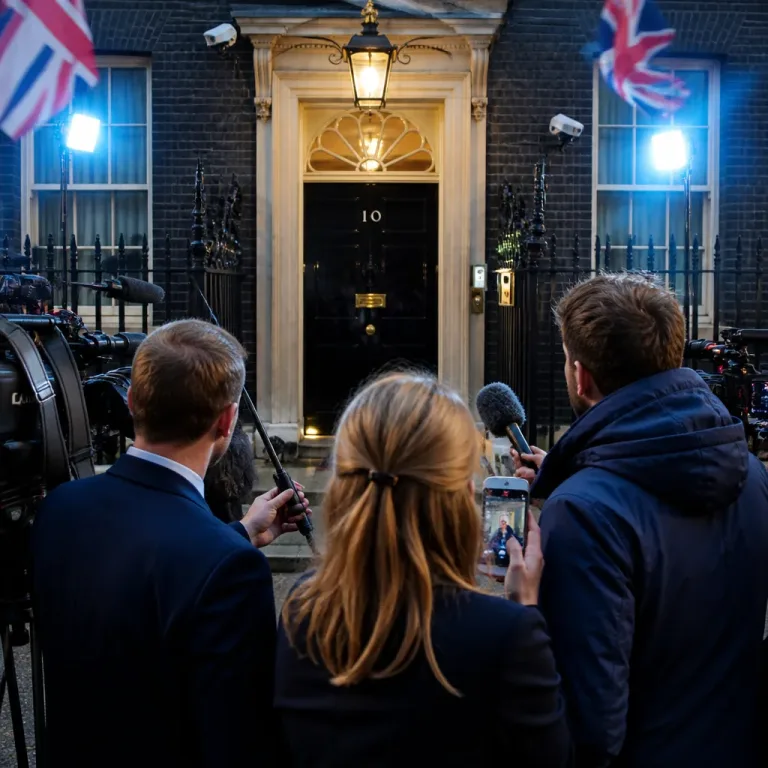
Andy Burnham has returned from a brief family break and begun a national tour that will test how his premiership plays beyond his Manchester powerbase. Having moved into Number 10 and the official prime ministerial residence, he has sought to present himself as a broadly relatable figure while preparing to confront the policy and political difficulties that lie ahead.
From a summer of goodwill to the hard work of government
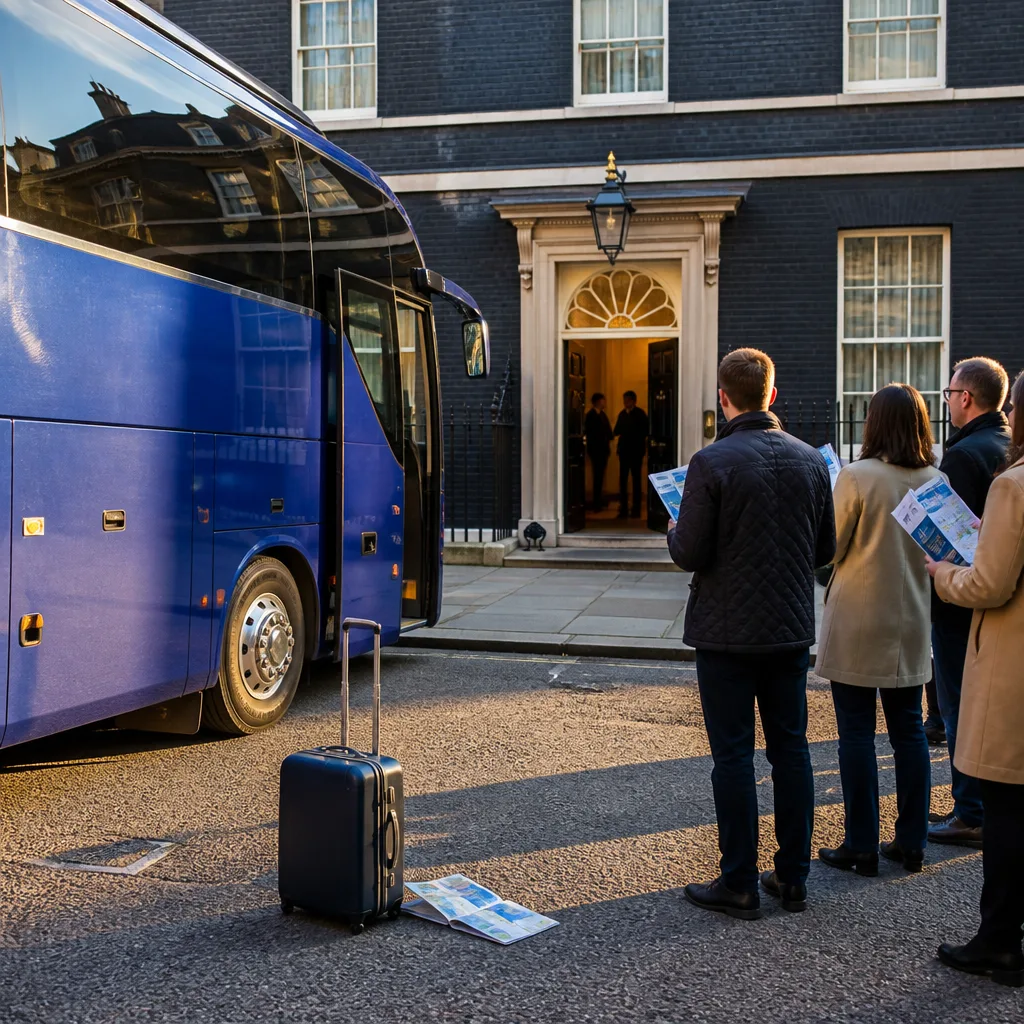
Few leaders have enjoyed as favourable a summer in public view as Burnham. He travelled abroad for a short holiday with his wife, Marie-France van Heel, and their three adult children, before returning to the UK. Photographs of a tanned prime minister boarding a campaign-style bus have accompanied the start of a tour intended to introduce him to voters unfamiliar with the “Burnham” brand outside his Manchester fiefdom.
The timing of the tour is deliberate. It follows a period in which his predecessor won a commanding electoral majority then saw that administration fall in July. By contrast, Burnham’s early weeks in office have been marked by a deliberate effort to project a more proactive tone. The source material describes his approach as driven by a character who is “a people person” and who believes in his own political instincts.
Experience and questions
Burnham’s political résumé was rehearsed during coverage of the tour. He previously served as health secretary and later as mayor of Greater Manchester, roles that have shaped both support for and scepticism about his premiership. Journalists and commentators have noted a longer record of occasional inconsistency and questions about policy depth. One recollection from 2009 recounts a radio debate in which his positions on the operation of the NHS and the role of private provision were not clarified.
Yet the same record contains moments that now inform governing choices. The source notes his long-standing interest in social care and the emotional toll it places on families — an issue he argued needed comprehensive and costly reform when he held national office. That appears now to be part of the agenda that falls under his immediate responsibilities.
"He believes in his own magic as a 'people person'."
That characterisation explains the strategy of personal, visible engagement beyond London and Manchester. The tour is both an introduction and a test: to convert favourable attention into public reassurance that he can govern on complex issues, and to show the electorate — and his own party — that the change of leadership brings clarity rather than drift.
- He has relocated to Number 10 and the PM’s flat following the change of government.
- The tour seeks to broaden recognition beyond his Manchester base.
- Social care is flagged as a long-standing priority he now must address in office.
Political consequences
The immediate political question is whether the favourable early coverage and energetic public engagement can withstand the demands of office. The source contrasts Burnham’s proactivity with the perceived stasis under the previous leadership team, naming Sir Keir Starmer and Rachel Reeves as figures associated with disappointment to both party and public. It also notes that Burnham pursued a starkly ambitious path to national leadership, including asserting himself at a recent party conference, and by consolidating authority in Greater Manchester before seeking higher office.
How his government handles urgent matters — notably social care reform, but also the routine pressures of public services and fiscal choices — will determine whether summer goodwill solidifies into durable support. The tour will offer early signals, but governance requires sustained policy clarity and delivery. Observers will be watching whether the personable style that has won attention translates into the detailed policymaking and coalition-building needed at Westminster.
| Role/Event | Notes from coverage |
|---|---|
| Health Secretary (2009) | Recalled radio debate on NHS policy; questions about public-private mix |
| Mayor of Greater Manchester | Seen as a key stage in his rise and base of support |
| Recent party conference | Asserted leadership ambition; intensified pressure on former party leadership |
For now, the narrative is one of contrast: a leader who entered office with momentum and public interest, returning from a short family respite to set about introducing himself to the wider country. The autumn will test whether that momentum can be turned into concrete policy achievements and resilient public trust.