
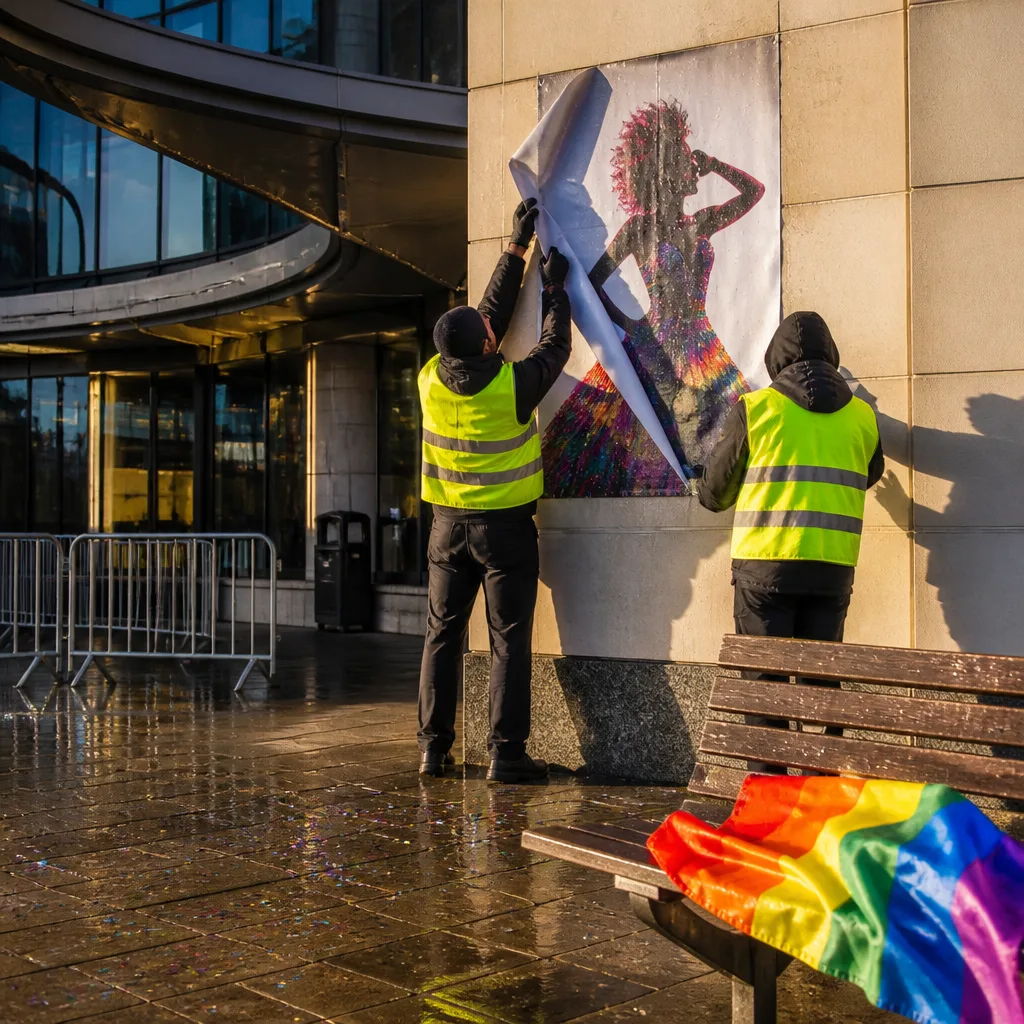
The BBC has announced it will no longer broadcast Drag Race UK after the current series, a decision the corporation says is part of a programme of cuts to achieve £500m of savings. The move prompted the show's co‑creator to warn of a "crisis of representation" and has reignited debate over how public service broadcasting will reflect diverse communities under financial pressure.
Creator warns queer culture may become more vulnerable
Fenton Bailey, co‑creator of the international Drag Race format, described the cancellation as a worrying sign for on‑screen visibility for LGBTQ+ people. Speaking to the BBC, Bailey said he did not see a "hidden agenda" behind the corporation's decision but argued that, at a time of retrenchment, "vulnerable communities are going to be even more vulnerable."
"Even at the best of times, queer culture is vulnerable and you can't take anything for granted," Bailey told BBC News.
World of Wonder (WOW), the production company behind the franchise, said it will continue producing future UK series, including an All Stars edition, but that these will be shown exclusively on its own streaming service, WOW Presents Plus. The shift means a move away from free‑to‑air exposure on one of the country’s largest public broadcasters.
Part of wider package of cuts
The decision comes amid a broader cull of BBC programming as the corporation seeks to reduce costs to meet the stated £500m savings target. The BBC has already confirmed a number of other changes, including the cancellation of entertainment staples and an announcement of more than 500 job losses.
- BBC cites "significant financial pressures" for programming decisions.
- Other shows cut include Celebrity Mastermind, Blankety Blank and Live at the Apollo.
- World of Wonder plans to stream future UK editions on its own platform.
Producers, former contestants and TV critics interviewed by the BBC expressed concern that the loss of a national broadcaster slot reduces the reach and cultural impact of the series. Drag Race UK launched in 2019 and has since produced eight series and three spin‑offs, becoming a prominent showcase for British drag and queer culture.
Consequences for representation and industry
Industry figures say the shift has two distinct consequences: a potential reduction in mainstream visibility for queer performers and a commercialisation of content that was previously accessible on public television. Moving the show to a subscription platform narrows the audience to paying viewers and removes the implicit endorsement a national broadcaster lends to a programme.
While the BBC insists financial constraints necessitated difficult editorial and commissioning choices, critics argue that cultural representation should be a priority for public service media. The corporation’s spokesperson attributed the decision to the need to find substantial savings rather than an editorial judgement about content.
| Item | Figure |
|---|---|
| BBC savings target | £500m |
| Announced job losses | More than 500 |
| Notable shows cancelled | Celebrity Mastermind, Blankety Blank, Live at the Apollo |
For independent producers such as WOW, the move to their own streaming service offers control and direct monetisation but removes the broad cultural platform that the BBC provided. Former contestants and advocates said the change will be felt most keenly by communities who rely on mainstream media for representation.
As the BBC proceeds with its savings programme, the decision on Drag Race UK is likely to be one of several high‑profile shifts that will shape debates about the role of public broadcasting in a tighter financial environment. With commissioning choices constrained, campaigners for diverse representation will be watching future scheduling decisions closely.















