Understanding silver purity and how Warangal buyers are charged
Warangal consumers and small jewellers should note that silver is marketed by fineness — a numeric expression of the proportion of pure silver in an alloy — and that the listed benchmark rate is only the starting point for final showroom prices, according to a report by BusinessToday.in.
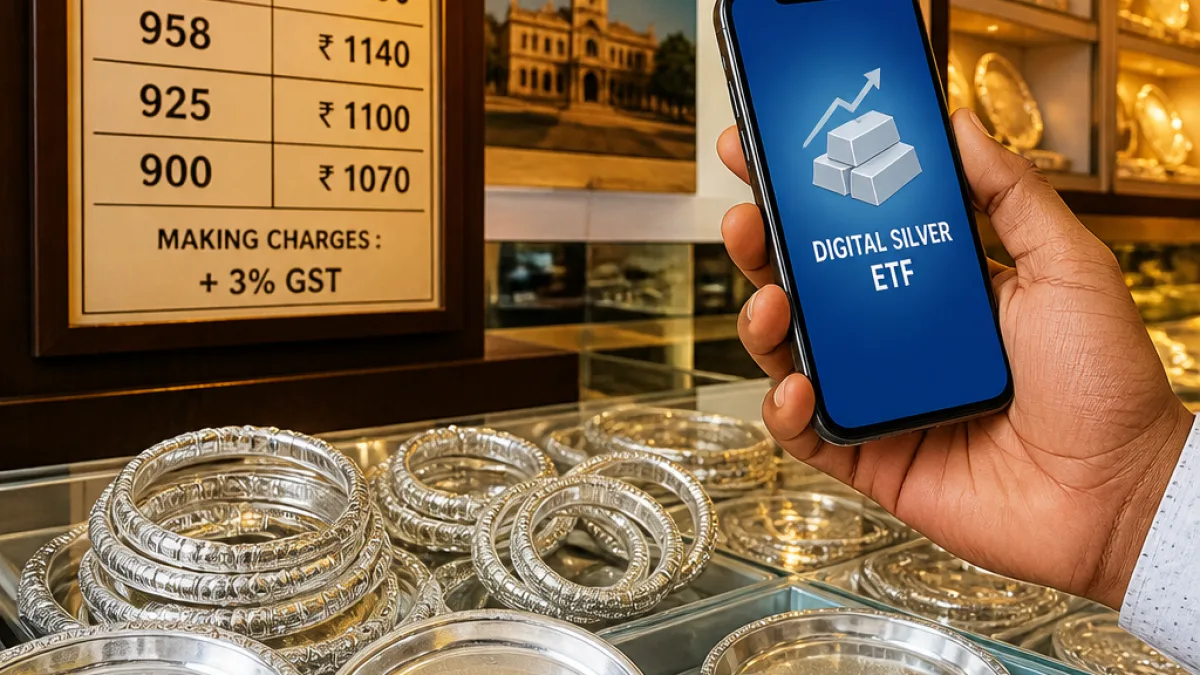
Fineness indicates parts per 1,000 that are pure silver. Common grades explained in the report include 999 (fine silver), 958 (Britannia silver), 925 (sterling silver) and 900 (coin silver). Each grade has a direct bearing on the weight of pure silver in an item and therefore on the base metal value charged by retailers in Warangal.
- Fine Silver (999) — 99.9% pure, typically used where high purity is required.
- Sterling Silver (925) — 92.5% silver, common in jewellery and household items.
- Britannia Silver (958) — 95.8% silver, historically a British standard.
- Coin Silver (900) — 90% silver, a grade with roots in coinage.
How the final price is formed for a buyer in Warangal
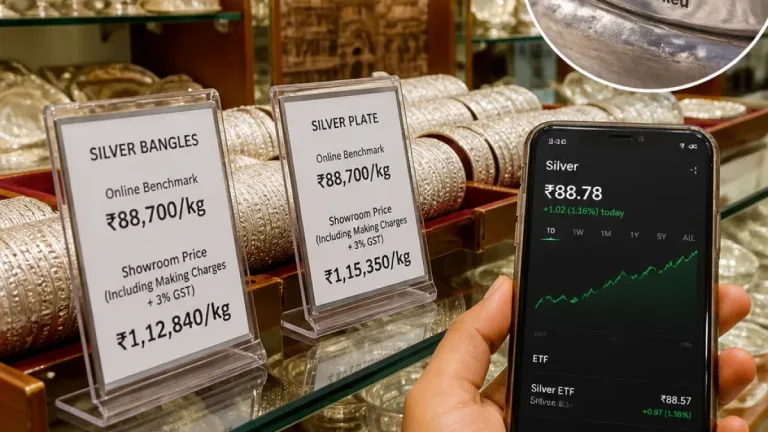
Retail rates in Warangal differ from published daily benchmarks because of additional components. The BusinessToday.in piece outlines the typical additions that consumers should expect:
| Component | Effect on final price |
|---|---|
| Base silver price | Benchmark per gram or per kilogram published by exchanges/news outlets |
| Making charges | Varies by design and craftsmanship; applied by showroom or artisan |
| GST | 3% on silver jewellery (as noted in the source) |
| Stone deductions | Weight of stones is excluded when calculating net silver weight for studded items |
Local jewellers in Warangal typically apply making charges according to the complexity of the design; consumers are advised to request a detailed invoice showing base metal value, deductions for stones where applicable, making charges and GST to compare offers.
Authenticity, hallmarking and investor options
Verification of purity remains central to protecting buyers. The report advises checking for the BIS hallmark and purity grade stamps such as 925 or 999, which indicate the declared fineness. Some products may also carry a HUID code, though its application is more standardised in gold than silver, the report notes.
"Verify authenticity by checking the BIS logo and purity grade," the BusinessToday.in report said.
For Warangal residents considering silver as an investment rather than ornamentation, non-physical instruments are increasingly available. The source outlines three main alternatives:
- Digital silver — platforms sell and store silver digitally without physical delivery, but BusinessToday.in cautions these are not regulated by SEBI and may pose transparency and investor-protection risks.
- Silver ETFs — exchange-traded funds that track silver prices and can be traded like stocks on exchanges.
- Silver funds or fund-of-funds — pooled investment products that provide exposure to silver markets.
Local investors in Warangal should weigh storage, making charges and liquidity needs when comparing physical bullion with paper or digital alternatives. The regulatory status and oversight differ across instruments; the BusinessToday.in report specifically advises caution on digital silver platforms because they are not uniformly regulated by securities authorities.
For ordinary buyers in Warangal, practical steps are simple: request a hallmarked product for jewellery purchases, insist on an itemised bill that separates metal value and making charges, and compare prices across reputable showrooms before purchasing. For investors, understanding the trade-offs between holding physical silver and using ETFs or digital products will be crucial in aligning choices with risk tolerance and convenience.