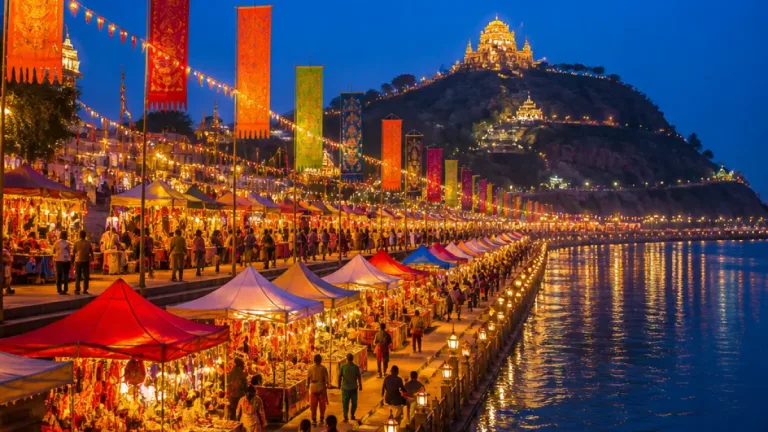
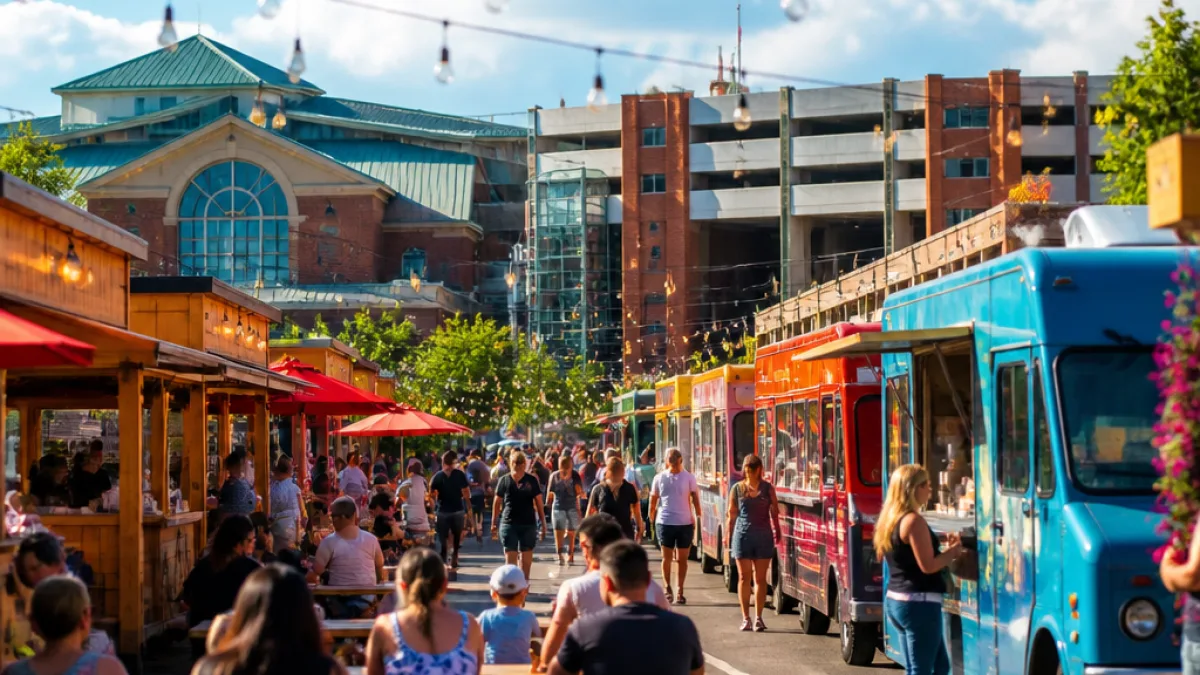
Delhi festival grounds are witnessing an unexpected culinary crossover this Dussehra season: sushi, the Japanese rice-and-fish delicacy long associated with white-tablecloth dining, is being sold at Ramlila and Dussehra melas across the city. Vendors at multiple mela sites have added vegetarian and fusion sushi rolls to stalls that traditionally hawk chaat, aloo tikki and pav bhaji.
From plates to stalls — the new mela menu
At the Rohini sector 23 mela, one food stall is offering a selection of vegetarian sushi served with the standard accompaniments — wasabi, soy and gari — priced at ₹400 for five pieces. Other melas, including those at Pitampura PU Block and Gujranwala Town, also have vendors listing sushi next to North Indian street fare. In some places the rolls even appear under a 'Chinese' heading on the menu, reflecting how vendors classify and package new items for festival customers.
The addition of sushi is part of a broader gourmet turn at these melas. Stallholders are mixing traditional and contemporary formats: dimsums are appearing with chilli oil, aloo tikki is being served as a waffle sandwich, and novelty items such as nitro-frozen dahi bhalla in cones are on offer. Even classic mela beverages are getting an update, with mocktail bars deploying nitrogen theatrics to draw attention.
- Rohini (Sector 23) — vegetarian sushi with wasabi, soy and gari; ₹400 for 5 pieces.
- Pitampura (PU Block) — sushi vendors alongside traditional mela stalls.
- Gujranwala Town — sushi listed on menus, sometimes under the 'Chinese' section.
What this says about changing tastes
Food historians and market watchers have noted a steady democratisation of global cuisines in India: dishes that once required restaurants and specialised chefs have migrated to street carts and quick-service stalls. The presence of sushi at Ramlila grounds this trend in a seasonal, family-oriented context, where affordability, convenience and spectacle shape what people choose to eat. Vendors experimenting with tempura asparagus rolls and vegetarian fillings suggest a local adaptation to vegetarian preferences common among festival-goers.
For many festival visitors, melas blend nostalgia with novelty. The sight of familiar chaat counters alongside a sushi roll being wrapped and handed over in paper or a disposable tray offers a new kind of sensory experience — the sharp tang of gari and soy punctuating the spice of chaat, the delicate texture of vinegared rice paired with the loud colours and smells of a mela.
| Location | Notable gourmet item | Price / Note |
|---|---|---|
| Rohini (Sector 23) | Vegetarian sushi with wasabi, soy and gari | ₹400 for 5 pieces |
| Pitampura (PU Block) | Sushi alongside traditional fare | Listed on mela menus |
| Gujranwala Town | Sushi often placed under a 'Chinese' section | Vendor categorisation noted |
Although sushi’s presence at melas might appear novel, it reflects a longer arc: the dish’s rising popularity in India has pushed it from fine-dining rooms to casual eateries and now to open-air festival stalls. Chefs and vendors are adapting recipes to suit local palates — emphasising vegetarian fillings, introducing familiar condiments and simplifying presentation for takeaway.
For festivalgoers, the addition raises practical questions as much as gastronomic curiosity. Price points such as ₹400 for five pieces put sushi at a premium compared with standard chaat items, which may limit uptake among budget-conscious visitors. Yet the aesthetics and novelty — and the desire to sample something different while enjoying the mela atmosphere — are pulling curious eaters toward these stalls.
As seasonal fairs across Delhi continue to expand their culinary offerings, the melding of global and local tastes is likely to grow. Whether sushi will become a regular mela staple or remain a niche novelty this season depends on affordability, consistency and how well vendors can balance authenticity with hygienic, festival-friendly preparation.