New Delhi: The Supreme Court on Tuesday dismissed a public interest litigation that sought to quash restrictions placed by the education departments of Uttar Pradesh and Rajasthan on entry and recording by journalists, YouTubers, social-media personalities and civil-society members inside government schools.
Bench declines to exercise writ jurisdiction
A bench comprising Justices P S Narasimha and Alok Aradhe said it was not inclined to entertain the petition filed under Article 32 of the Constitution, according to a September 1 order uploaded with the court record. The PIL had challenged circulars and orders that require outsiders to obtain prior permission before entering school premises and restrict photography, videography, interviews, audio recording and live-streaming.
“We are not inclined to entertain the writ petition filed under Article 32 of the Constitution of India,” the bench said in its order.
What the petition challenged
The plea, filed by Priya Mishra, targeted an August 16 circular issued by the director of secondary education in Rajasthan that mandated prior permission from the principal for outsiders to enter government schools. It also assailed an August 19 order issued by the district basic education officer in Ayodhya which directed that outsiders, YouTubers and persons associated with social media should not enter council schools or take photographs or videos without permission from the competent authority.
The petition argued that similar orders have been issued in other districts of Uttar Pradesh as well and that the restrictions curtailed the ability of the press and civil society to inspect schools and report on conditions.
Context and recent incidents
The issue acquired fresh urgency after an assault on activists of the Cockroach Janta Party in Rajasthan while they were inspecting a government school as part of a campaign called “school thik karo”. The attack was cited in court filings and media reports as part of the background to the restrictions that state authorities say are intended to preserve order and protect students.
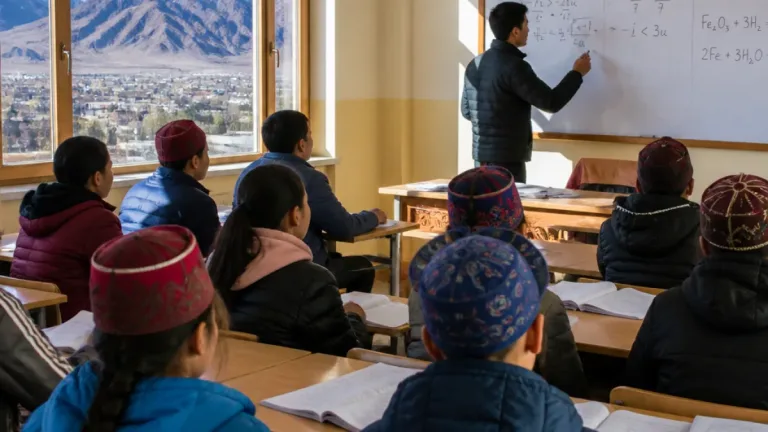
State education departments in both Rajasthan and Uttar Pradesh framed the directives as measures to regulate on-campus activities, prevent unauthorised recordings and avoid disruptions to school functioning. The petition countered that blanket curbs would limit public scrutiny of schools where accountability and transparency are primary concerns.
Authorities, activists and the balance of interests
Education officials maintain that unregulated entry and live coverage by third parties can compromise the safety of students and disturb learning environments. Those defending access argue that independent inspections, reporting and citizen oversight are vital tools to detect infrastructural deficits, teacher absenteeism, mid-day meal problems and other lapses.
The Supreme Court’s dismissal does not amount to an endorsement of the impugned directives; rather, the bench declined to entertain the writ petition under the constitutional provision invoked. Petitioners retain other legal routes, including approaching high courts or seeking alternative remedies, though the PIL’s dismissal will influence how soon such matters are litigated at the top forum.
Practical implications for journalists and civil society
- Prior permission: Officials in districts issuing such orders require written permission from school principals or competent authorities before entry.
- Restrictions on recording: Photography, videography and live-streaming may be subject to clearance and can be denied in the absence of authorisation.
- Enforcement varies: The scope and application of the circulars differ across districts; some authorities have framed stricter local orders than others.
Media organisations and civil-society groups now face the immediate practical question of how to conduct school visits while complying with local orders. Seeking prior permission where possible may avoid confrontation or legal notices; nevertheless activists who see access as a matter of public interest may explore legal challenges before appropriate courts.
Broader stakes for Uttar Pradesh
For Uttar Pradesh, India’s most populous state, school inspections and community oversight are key to the delivery of public education services across thousands of government-run schools. Any regulatory regime that narrows channels of independent monitoring may affect the flow of information about school conditions to parents, media and policymakers.
| Item | Directive |
|---|---|
| Entry by outsiders | Prior written permission from principal/competent authority |
| Photography/videography | Allowed only with prior authorisation |
| Live-streaming/interviews | Permitted subject to permission |
The Supreme Court’s order closes one federal avenue of relief for now, but the debate over transparency, child safety and the role of non-state actors in monitoring public institutions is likely to continue in courts, legislatures and public discourse.
Reportage of future incidents, local administrative responses and any fresh litigation will determine how the balance between access and safety is recalibrated in the months ahead.