Rail capacity boost for the Siliguri Corridor
The Ministry of Railways has approved a fourth railway line on the Malda–New Jalpaiguri section, officials said, a decision that underscores the imperative of enhancing capacity through the narrow strip of West Bengal known as the Chicken’s Neck or Siliguri Corridor.
Northeast Frontier Railway General Manager Chetan Kumar Shrivastava described the Malda–New Jalpaiguri stretch as "a crucial rail corridor connecting the Northeast with other parts of the country," and said the Railways is placing special emphasis on expanding capacity along the route. The corridor links the eight Northeastern states with mainland India and its strategic sensitivity has guided recent planning.
"The Malda–New Jalpaiguri section is a crucial rail corridor connecting the Northeast with other parts of the country," Shrivastava said.
Planned projects and local implications
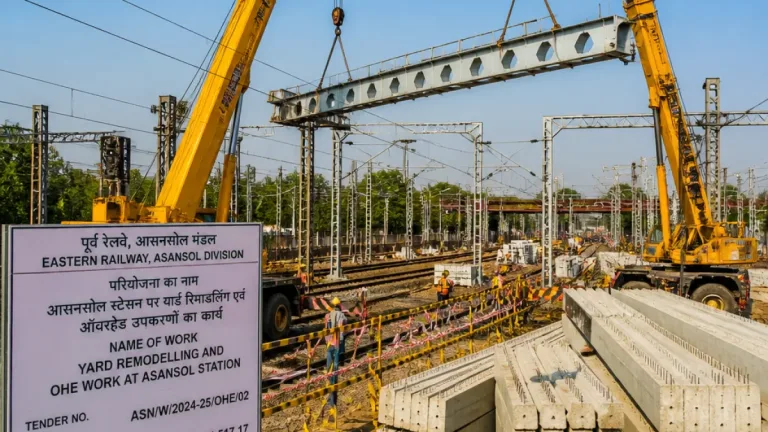
The additional line follows earlier proposals for a third track and is part of a wider set of capacity-enhancement works across the Katihar division, where line-doubling and other projects are underway. Railway authorities said the added capacity is expected to strengthen movement of both passenger and freight traffic through the corridor.
- Fourth line approved for the Malda–New Jalpaiguri section to increase throughput.
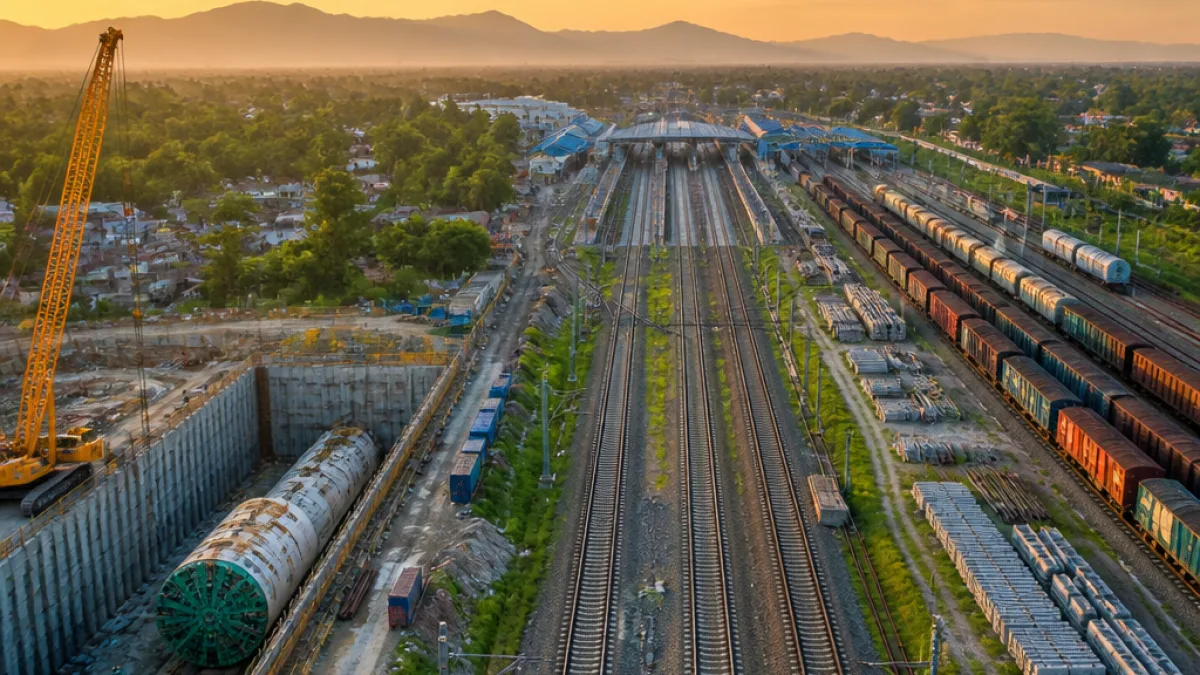
- Nearly 29-km double-line underground project planned between Tinmai Ghat and Bagdogra; proposals began in February.
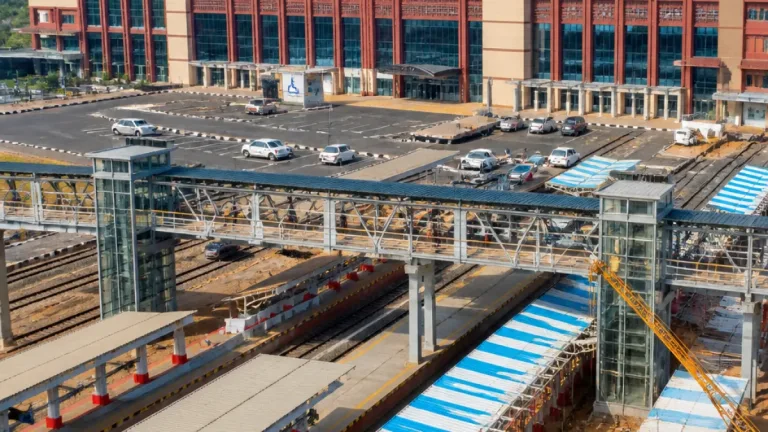
- New Jalpaiguri station redevelopment progressing; Railways expect completion by April 2027.
- Line-doubling work is continuing in the Barsoi section as part of regional expansion.
Railway Minister Ashwini Vaishnaw had highlighted special connectivity plans for the Chicken’s Neck corridor while outlining the Railway Ministry’s budget allocations for FY2026–27, signalling central-level priority for the cluster of works.
What the projects mean for Siliguri
For Siliguri and neighbouring Matigara–Bagdogra areas, upgraded rail corridors could mean improved logistical resilience, shorter transit times for goods, and increased passenger services. The underground double-line project between Tinmai Ghat and Bagdogra, if realised as planned, would also shape urban land use and could reduce surface congestion along key approaches to Bagdogra Airport and New Jalpaiguri station.
Redevelopment of New Jalpaiguri (NJP) station, slated for completion by April 2027, is expected to dovetail with the line-capacity works, offering more organised passenger handling and potentially greater freight handling facilities — developments closely watched by traders, transporters and travel-dependent businesses in Siliguri.
Project summary
| Project | Location | Status / Timeline |
|---|---|---|
| Fourth line | Malda–New Jalpaiguri section | Approved by Ministry of Railways |
| Underground double-line | Tinmai Ghat–Bagdogra (~29 km) | Planned; proposals initiated in February |
| New Jalpaiguri station redevelopment | New Jalpaiguri | Work progressing; expected completion by April 2027 |
| Line-doubling | Barsoi section | Underway |
Officials from Northeast Frontier Railway said the combined effect of these projects would be a major transformation of the entire corridor and would support more organised development in the region. Local civic bodies and commerce associations in Siliguri will be monitoring the sequencing of works, particularly where construction might affect road–rail interfaces and traffic flows in the city.
Given Siliguri’s role as the principal trade and logistics hub for North Bengal and a gateway to the Northeast, rail capacity expansion through the Chicken’s Neck carries both strategic and economic significance. As construction and redevelopment progress, residents and businesses in Siliguri can expect phased disruptions followed by enhanced connectivity when the projects are completed.
Railway authorities have not yet released a detailed phased implementation schedule or funding breakdown for all elements; sources said the approvals are an early step in a longer roll-out of projects across the Katihar division.