Mass arrest call staged on Mall Road
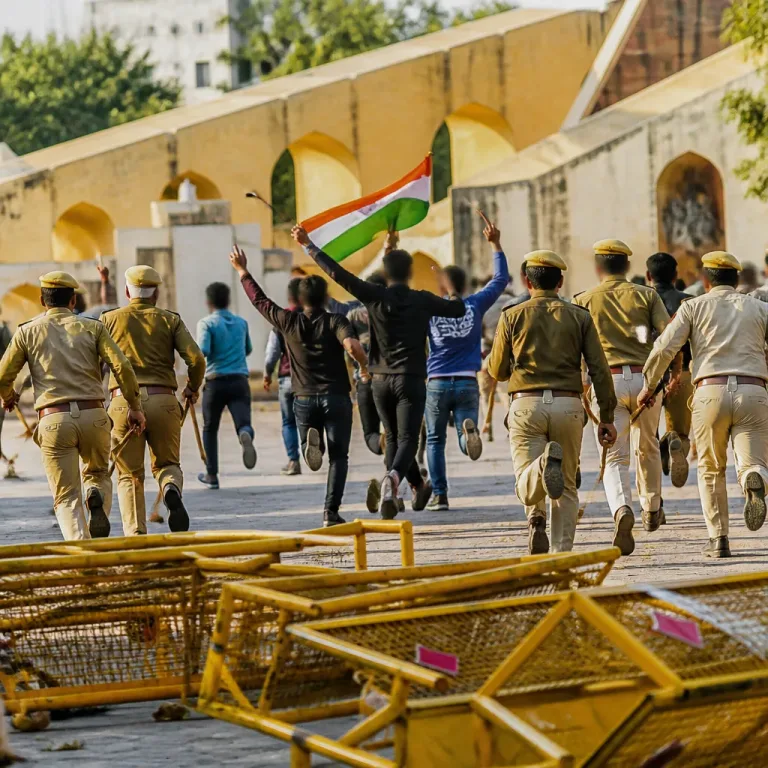
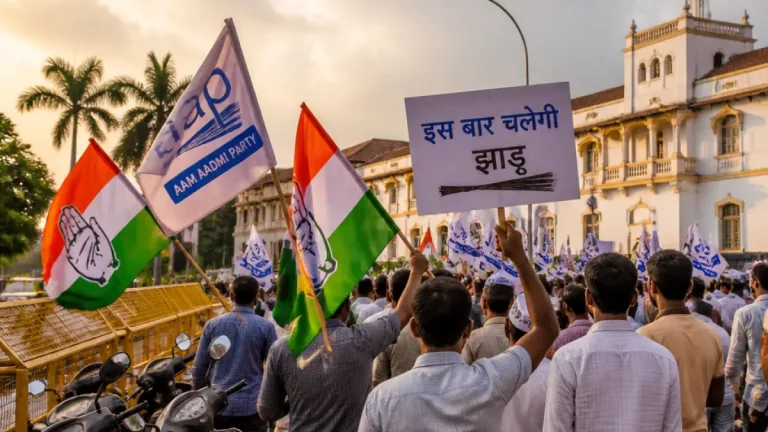
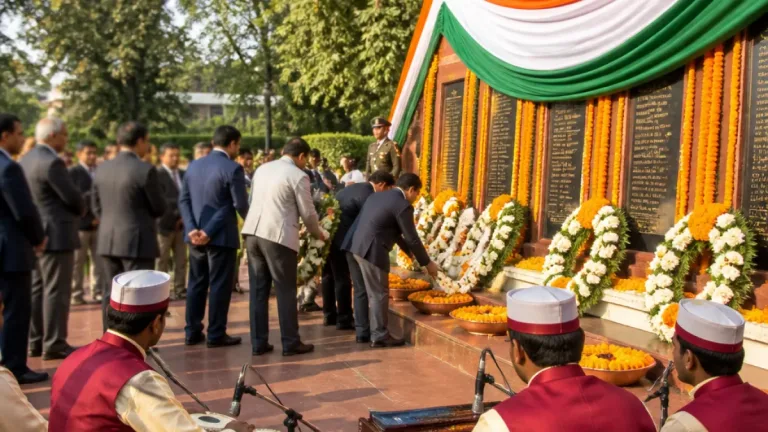
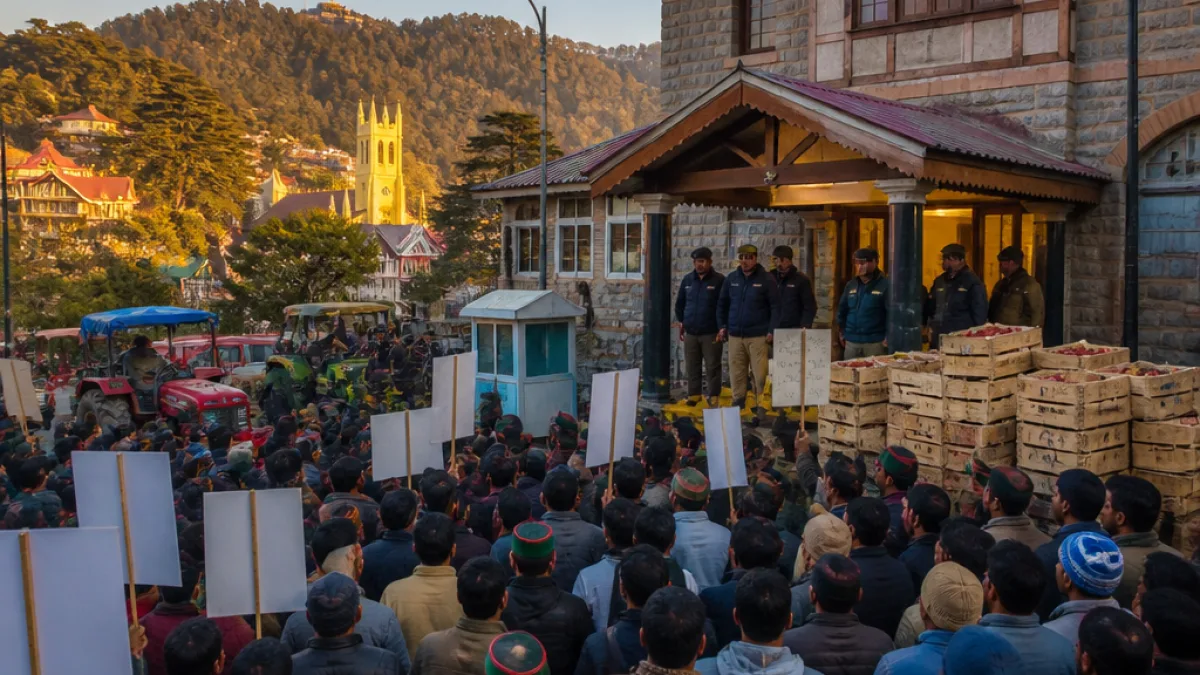
Farmers, labourers and allied groups held a Jail Bharo Andolan in Shimla on Monday, assembling outside the Police Reporting Room on the Mall Road to press their objections to the Union government's trade agreements and labour reforms, according to ANI. Organisers offered themselves for mass arrest as part of a nationwide demonstration being held at roughly 1,000 locations.
The protest in Shimla was described by participants as a combined movement of farmers and workers opposing what they termed policies favourable to corporates and damaging to small growers and labour rights. Demonstrations similar to the one on Mall Road were reported at about 25 locations across Himachal Pradesh, including Rampur, Rohru, Paonta Sahib and Una, the organisers said.
- Primary grievances: opposition to free trade agreements and certain labour reforms.
- Local concern: potential impact on apple cultivation and the livelihoods of orchardists in Shimla district.
- Participation: farmer and worker bodies, student outfits and youth organisations.
Leaders link trade pacts to local apple economy
Farmer leader Sohan Tanwar told ANI the protest represented a joint voice of farmers and workers across the country and voiced particular alarm over free trade agreements under negotiation or already concluded. He said such accords could have an adverse effect on Himachal Pradesh's apple economy and urged the government to rethink its stance towards trading partners.
"Today's Jail Bharo Andolan is the joint voice of farmers and workers across the country. It is against the free trade agreements being negotiated and those that have already been signed, as well as the unilateral tariffs being imposed by the US," Tanwar said, according to ANI.
Tanwar also raised concerns about tariffs imposed by the United States and broader bilateral issues, arguing that India's negotiating position and certain policy choices displayed what he termed "subservience" to US interests. He connected these international trade developments with local vulnerabilities, saying apple cultivation in Shimla district was already in distress and could be further imperilled.
Who joined the demonstration
The protest in Shimla was supported by a coalition of organisations. ANI noted participation by the Himachal Kisan Sabha, the Centre of Indian Trade Unions (CITU), the Apple Growers Association, the Students' Federation of India (SFI), the Democratic Youth Federation of India (DYFI) and the All India Labour Union (AILU), among others.
| Aspect | Reported detail |
|---|---|
| Site | Police Reporting Room, Mall Road, Shimla |
| State-wide locations | About 25 places across Himachal Pradesh (including Rampur, Rohru, Paonta Sahib, Una) |
| National scale | Protests at around 1,000 locations across India (organisers' claim) |
Organisers said the action involved farmers, apple growers, workers, students and youth organisations. They framed the campaign as opposition to policies they described as "anti-farmer and anti-worker" and urged authorities to take notice of the threat they said these policies posed to local agrarian livelihoods.
Local implications and unanswered questions
Apple cultivation is a significant source of income in Shimla district and wider Himachal Pradesh. The demonstrators warned that new or pending trade arrangements could expose domestic growers to unfair competition from cheaper imports or unfavourable tariff outcomes abroad — a point raised in connection with US trade measures by the protesting leaders.
ANI's report did not include a response from state or central government representatives, nor from the agencies negotiating trade agreements. The scale of any potential economic impact on apple growers will depend on the terms of specific agreements and on steps taken by the government to shield vulnerable sectors.
Authorities on Mall Road permitted the protest near a restricted area, and the organisers said they were prepared for mass arrests as part of the nationwide call. The demonstration adds to continuing debates in Himachal Pradesh over how national trade and labour policies intersect with the state's agriculture-dependent economy and workforce protections.