
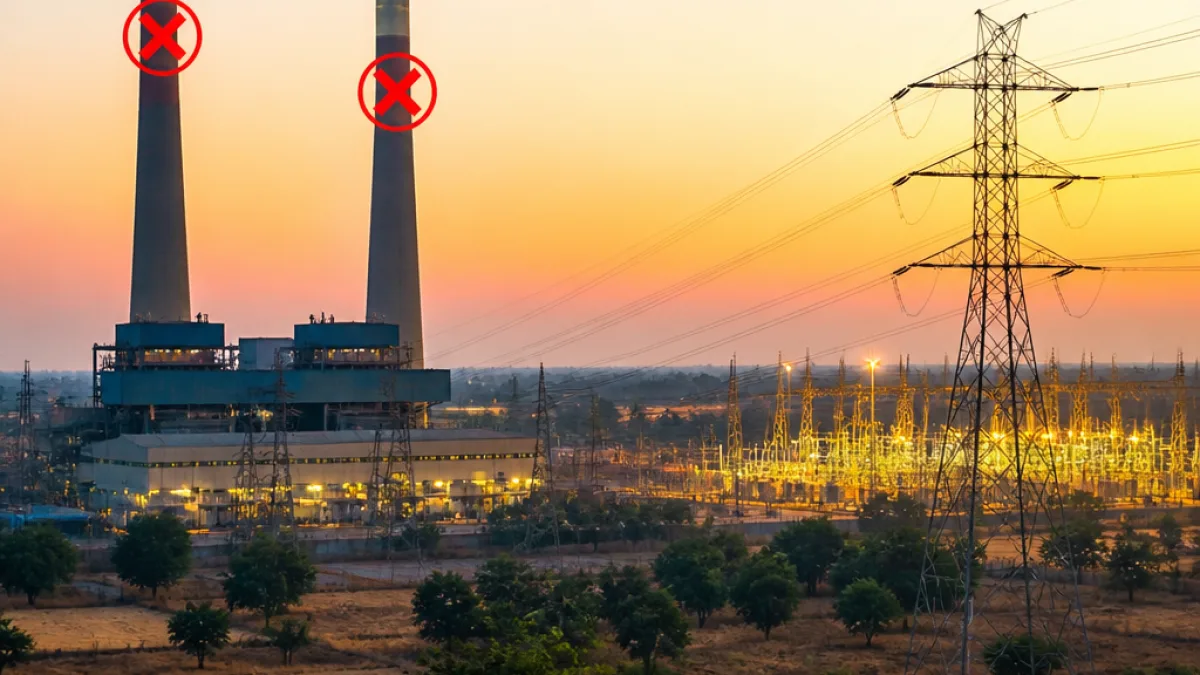
High temperatures, low rainfall push demand up; private units offline
Patiala, Sep 12: Punjab is facing elevated power demand this September, with consumption staying above 16,000 MW as hot weather and deficient rainfall raise cooling and irrigation needs, officials said on Saturday. The supply situation has been further strained by the shutdown of two large thermal generating units, they added.
State electricity officials said demand during the current September period is roughly around 4,000 MW higher than the same time last year, increasing pressure on the power system and forcing Punjab State Power Corporation Limited (PSPCL) to source additional supplies from the central pool and other avenues.
Units offline, generation loss quantified
Two private thermal units have been taken out of service for technical reasons, causing a combined generation shortfall of 1,360 MW. The affected units are:
- a 700-MW unit at the Nabha thermal power plant
- a 660-MW unit at the Talwandi Sabo thermal power plant
"The 700-MW unit at Nabha developed a technical fault and is expected to be restored by Saturday night or early Sunday morning. The 660-MW unit at Talwandi Sabo should be brought back by Sunday night," PSPCL Director Punnerdeep Singh Brar said.
Brar also said that PSPCL had already procured significant quantities of power from the central pool to meet demand, with 11,962 MW purchased by Saturday afternoon, according to officials. The state is balancing increased drawal with temporary restrictions in some areas where supply constraints have been felt.
Coal supplies and plant readiness
On fuel availability, Brar reported that adequate coal had reached the Nabha plant and that coal deliveries to Talwandi Sabo were continuing daily. He expressed confidence both stations would return to full output once the technical issues were resolved and the units restarted.
Despite assurances on coal, opposition parties have criticised the ruling Aam Aadmi Party government, alleging frequent shutdowns and load disruptions affecting domestic, agricultural and industrial consumers. In response, state minister Aman Arora blamed the Centre for not ensuring sufficient coal supplies to the thermal plants in Punjab.
Current operational snapshot
| Parameter | Figure / Status |
|---|---|
| Reported demand (September) | Above 16,000 MW |
| Increase vs. same period last year | ~4,000 MW |
| Power purchased from central pool | 11,962 MW (by Saturday afternoon) |
| Units offline | Nabha 700 MW; Talwandi Sabo 660 MW (combined 1,360 MW) |
Impact on consumers and agriculture
Higher cooling loads during extended hot spells typically push up household and commercial consumption, while deficient rainfall increases dependency on canal or tubewell irrigation, which in turn raises agricultural electricity demand. Officials said these combined factors have contributed to the unusual September surge in drawal.
PSPCL's additional purchases and planned restorations aim to avert prolonged, widespread outages. Nevertheless, the authority has been compelled to impose targeted restrictions in some localities to manage the gap between supply and demand.
What to expect over the next 48 hours
- Restoration timelines for the two affected units as provided by PSPCL: Nabha unit possibly by Saturday night/early Sunday; Talwandi Sabo unit by Sunday night.
- Continued procurement from the central pool to bridge the present shortfall until units are back online.
- Possible localized restrictions remain a contingency while technical repairs and coal replenishment continue.
Officials emphasised close monitoring of the situation and coordination with plant operators. They said once the faulty units are synchronised and coal supplies sustain full-rated operations, generation capacity should return to planned levels and pressure on the system will ease.
Energy managers in Punjab are keeping a watch on weather forecasts and reservoir inflows, as any further spike in temperatures or delay in monsoon recovery could prolong elevated demand. For now, authorities have asked consumers to exercise judicious electricity use wherever possible until full generation is restored.