Chandigarh: Punjab is facing an emerging challenge from illegal pharmaceutical tablets and capsules being diverted into the state from other Indian states, police officials said, calling for enhanced cooperation with source and transit jurisdictions to curb the flow.
Seizures point to changing trafficking pattern
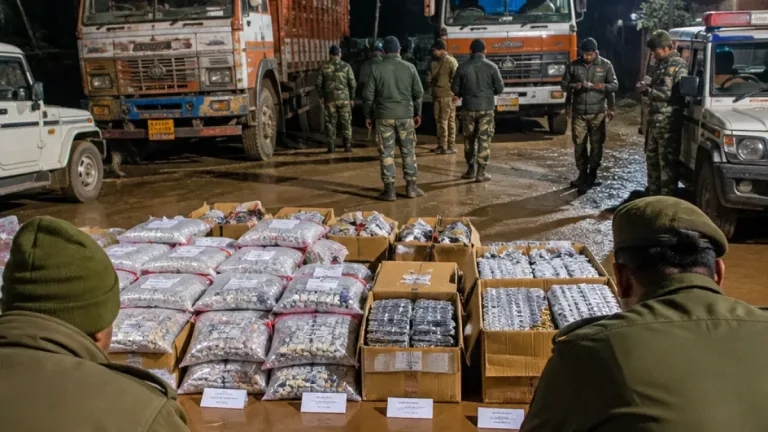
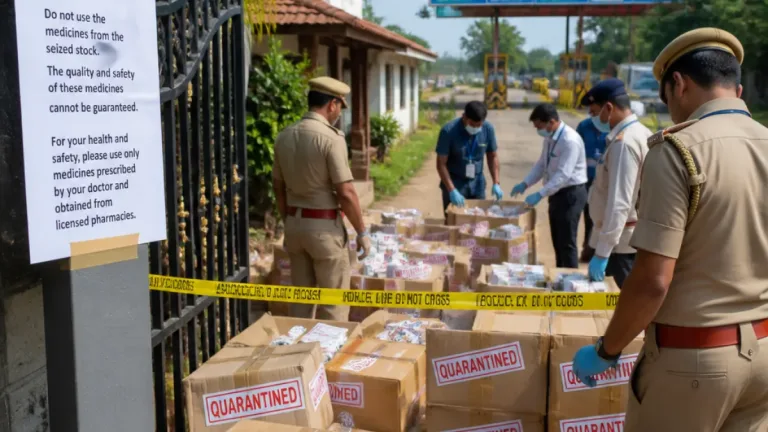
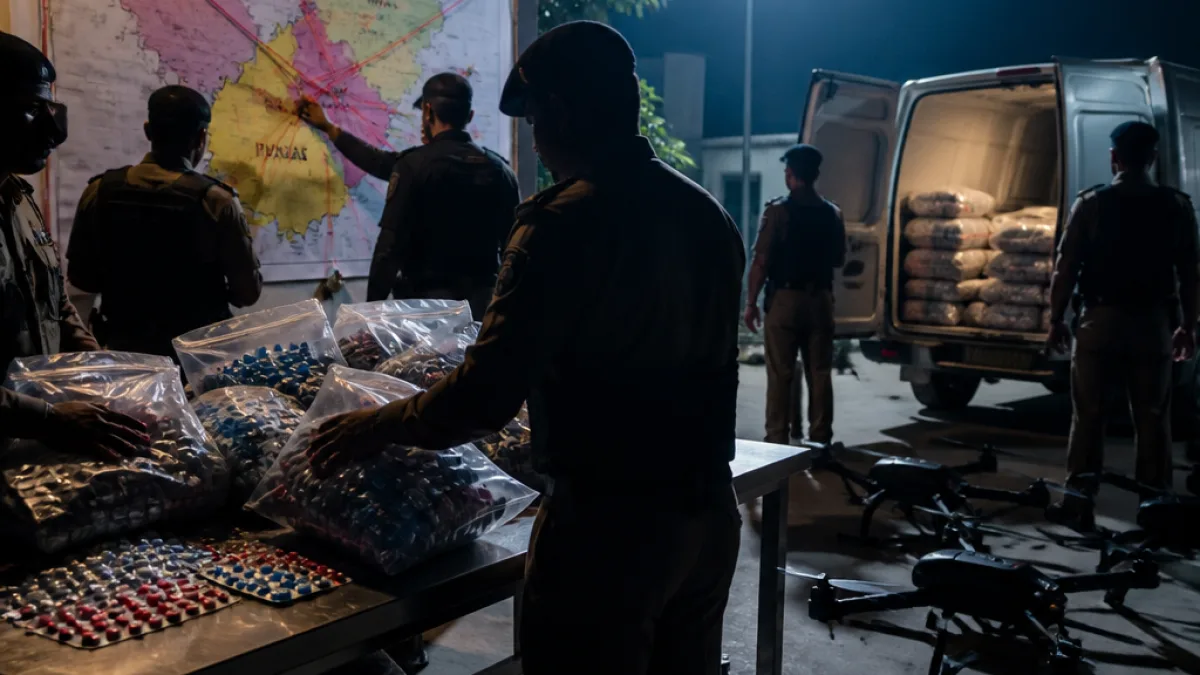
A Punjab Police spokesperson said that around 80 per cent of pills and capsules currently available in the state are estimated to have originated outside Punjab. Since the start of 2025, officials have seized 11.54 lakh pharmaceutical tablets and capsules linked to consignments coming from Uttar Pradesh, Rajasthan, Gujarat, Haryana, Delhi and Himachal Pradesh.
Police said the trend marks a shift from the earlier pattern when a large proportion of illicit drugs in Punjab were smuggled across the international border with Pakistan. Strengthened anti‑smuggling operations along the frontier have coincided with the altered supply routes for pharmaceutical pills.
"Intensified action against cross‑border narcotics smuggling has reduced the availability of street heroin," the spokesperson said.
Drone recoveries and ground measures
Law enforcement has also targeted aerial methods of smuggling. Since 1 March 2025, authorities have recovered 486 drones, the police spokesperson reported. The Border Security Force (BSF) and Punjab Police have deployed anti‑drone systems and response teams in border districts.
- Three Drone Sense D200 Pro systems have been positioned at strategic locations.
- Three ‘Baaj Akh’ systems are deployed in Amritsar, Tarn Taran and Ferozepur.
- 52 Drone Response Teams, with 147 personnel, are operating with the BSF.
- Support infrastructure includes 64 second‑line defence nakas and 2,367 CCTV cameras across 585 locations.
Police said these measures are part of a broader campaign against narcotics. Since 1 March, the drive — described as the Yudh Nashiyan Virudh campaign — has resulted in the recovery of drones and a significant number of arrests.
Arrests and asset actions
Alongside equipment seizures, police figures show that nearly 80,000 people have been arrested under the campaign launched this year. Authorities have also identified and frozen assets believed to be linked to drug trafficking, with a reported value exceeding ₹336 crore.
| Item | Reported figure |
|---|---|
| Pharmaceutical tablets/capsules seized since 2025 | 11.54 lakh |
| Drones recovered since 1 Mar 2025 | 486 |
| Arrests under campaign | Nearly 80,000 |
| Assets frozen | ₹336 crore (approx.) |
Police view and the need for inter‑state action
The police spokesperson stressed that the evolving pattern of trafficking requires improved coordination with source and transit states to prevent diversion of regulated pharmaceutical products into illegal markets in Punjab. Officials said diversion often involves legitimate consignments being rerouted or counterfeit and unauthorised drugs being transported through commercial channels.
Health and enforcement officials generally note that illicit pharmaceutical pills can pose serious public‑health risks because their composition, dosage and manufacturing standards are unverified. In rural areas of Punjab, where self‑medication and over‑the‑counter purchases are common, such products may increase the risk of overdose, dependence or adverse reactions.
What lies ahead
Punjab’s law‑enforcement agencies are focusing on a two‑pronged approach: maintaining heightened border and aerial surveillance to counter cross‑border smuggling while pursuing closer intelligence sharing and joint operations with other states to tackle internal diversion channels.
Officials say sustained inter‑state intelligence exchange, targeted raids on distribution networks and tighter regulation of pharmaceutical supply chains will be central to stemming the influx. The police emphasised that community awareness and strict enforcement of prescription and sale laws are also necessary to reduce demand and curtail market access.
As investigations continue, authorities have underlined the importance of coordinated action across jurisdictions to address the shifting nature of drug supply into Punjab, where both security and public‑health consequences are at stake.