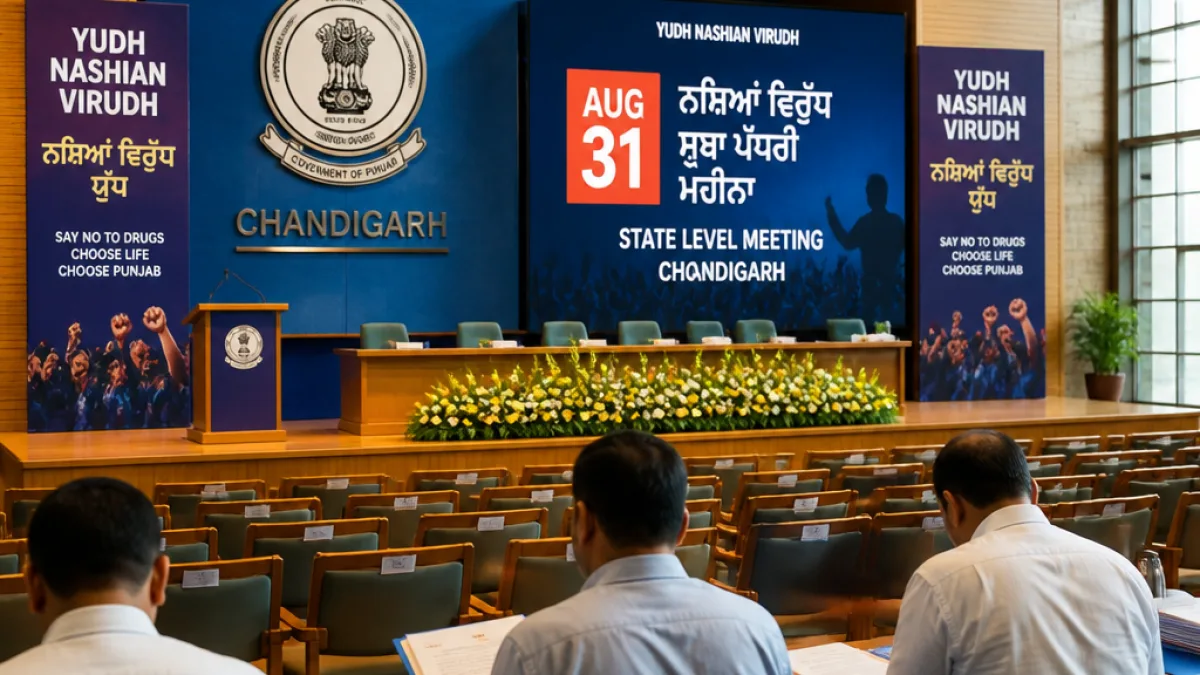
The Punjab government has launched a fortnight-long review of village defence committees (VDCs) and ward defence committees (WDCs) formed under its "Yudh Nashian Virudh" anti-drug campaign, with the exercise scheduled to culminate in a state-level meeting chaired by Chief Minister Bhagwant Mann on 31 August, a government spokesperson said.
Recognition drive signals administrative push
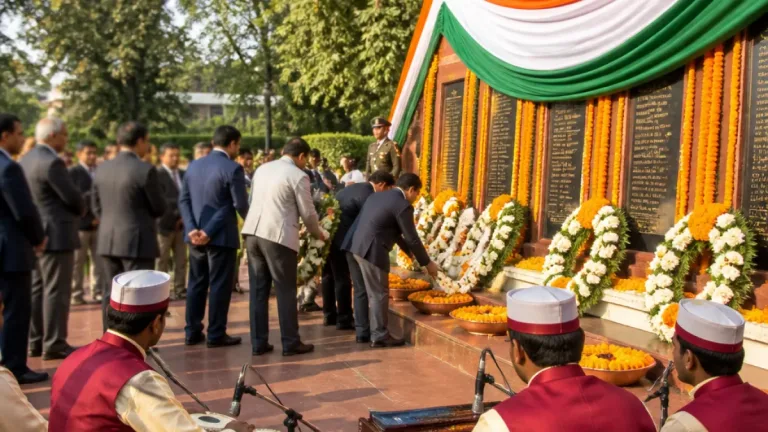
The felicitation of VDC and WDC members during Independence Day events marked the start of a structured, phased exercise intended to integrate public feedback into administrative and police reviews, the spokesperson said. The move follows a decision taken in a meeting chaired by the Chief Minister on 2 August to formally embed anti-drug activities into official functions and civic observances.
At district level, deputy commissioners honoured assembly and vice-assembly coordinators for their work, while sub-divisional magistrates recognised block coordinators. Village sarpanches conducted local felicitation of VDC members during school and panchayat events across the state's 23 districts, the spokesperson added.
Phased schedule of reviews
The review process is to be carried out in phases so that grassroot complaints and local monitoring reach higher administrative levels for evaluation and action. According to the spokesperson:
- From 16–25 August VDC meetings will be held in every village to review complaints related to drug trafficking, assess police and administration action on earlier complaints, track pending cases and provide fresh feedback.
- Between 26–29 August the review will move to the district level where cabinet ministers will chair discussions with administrative, police and health officials and local coordinators.
- The exercise will close on 31 August with a state-level progress meeting chaired by the Chief Minister to determine the next phase of the campaign.
“The committees will review complaints related to drug trafficking, assess action taken by the police and administration on earlier complaints, track pending cases and provide fresh feedback to the authorities,”
The spokesperson characterised the fortnight as the beginning of an action plan prepared by the office of the state's nodal officer to institutionalise public feedback into administrative and police reviews.
What the exercise aims to achieve
Officials said the phased approach is intended to create a formal channel for village-level intelligence and citizen complaints to be examined, monitored and escalated. By placing cabinet ministers, district administrators and police leadership in district-level reviews, the government is seeking to ensure accountability and inter-departmental coordination in responding to local concerns.
The public-facing review meetings are also aimed at tracking progress on previously reported cases and identifying gaps in enforcement, rehabilitation and prevention measures at the grassroots.
Administrative mechanics and oversight
The review structure assigns roles across administrative tiers: sarpanches and local coordinators handle village recognition and meetings; deputy commissioners and sub-divisional magistrates manage district-level recognition and coordination; and cabinet ministers will lead the district review panels that include police and health officials.
| Phase | Dates | Primary focus |
|---|---|---|
| Village level | 16–25 August | Review complaints, assess past action, provide fresh feedback |
| District level | 26–29 August | Cabinet-minister-led evaluation with police, administration, health officials |
| State level | 31 August | Progress meeting chaired by Chief Minister; plan next phase |
Implications and practical outcomes
Officials and observers will watch whether the exercise leads to measurable improvements in case disposal, convictions, rehabilitation outcomes and preventive outreach. Institutionalising public feedback could increase transparency in how complaints are processed, but the outcome will depend on timely action by police and coordination between departments including health and social welfare for rehabilitation services.
The phased reviews also create a record that can be used to identify persistent hotspots and gaps in enforcement or service delivery. Whether the feedback loop results in better accountability will hinge on follow-up mechanisms that convert local inputs into concrete administrative orders and police action.
The spokesperson said the felicitation drive and the review timetable form part of a broader action plan from the office of the state nodal officer for the anti-drug campaign. The immediate weeks will test whether the state can translate community mobilisation and recognition into enforceable outcomes at district and state levels.