Prime Minister stresses booth-level work, tourism and fisheries in Puducherry
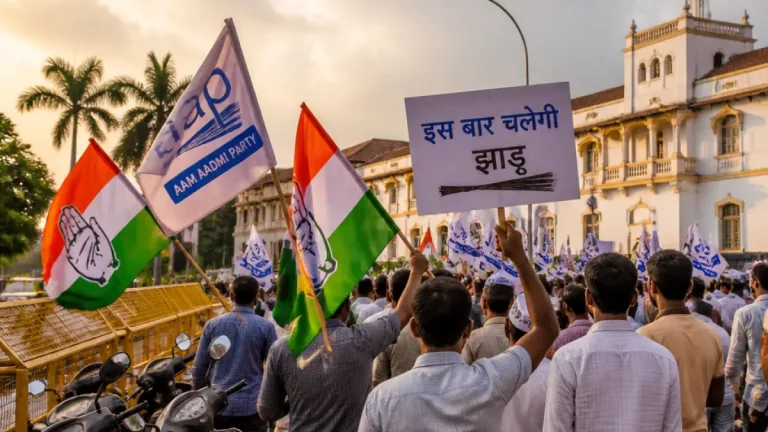
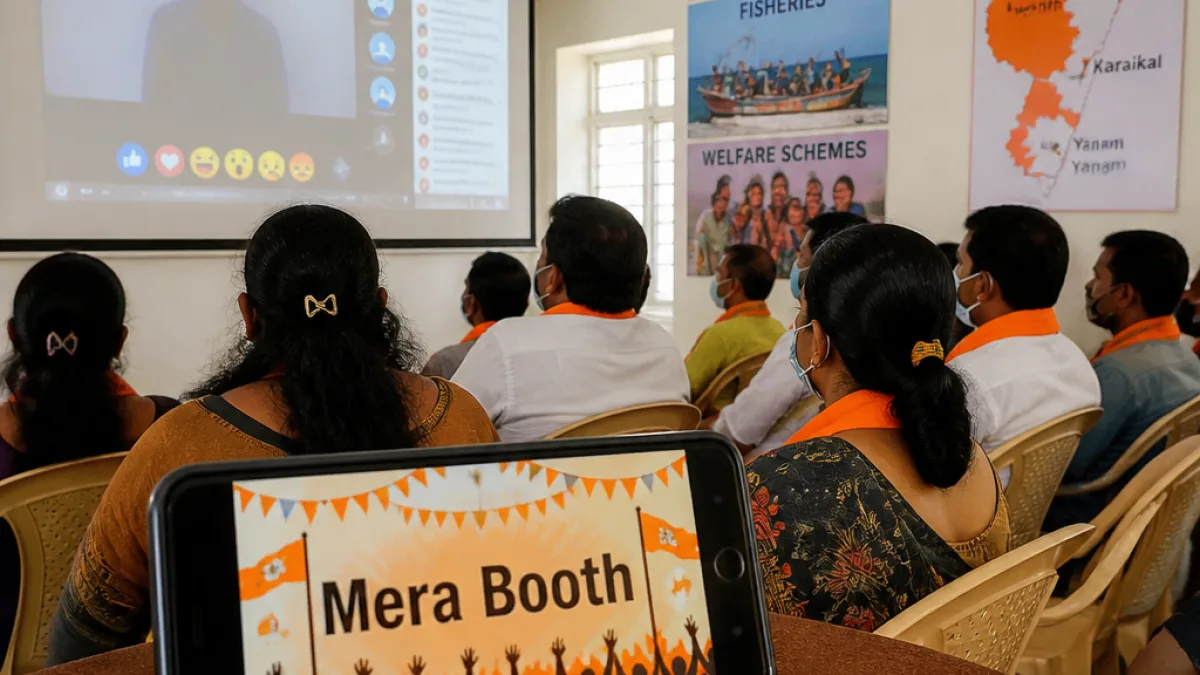
NEW DELHI/PUDUCHERRY, March 30: Prime Minister Narendra Modi on Monday interacted with booth-level party workers in Puducherry under the BJP programme “Mera Booth, Sabse Mazboot” through the NaMo App, asking workers to intensify outreach and convert organisational effort into votes, according to official reports.
Addressing the session, the Prime Minister said strengthening the booth remains central to electoral success and urged coordinated action with NDA alliance partners. He called on workers to ensure maximum voter turnout in favour of the NDA and to connect with every household to explain government initiatives, the report said.
“The vision of ‘BEST Puducherry’ – Business, Education, Spirituality and Tourism – has been well received by the people in the union territory,” the Prime Minister is reported to have said.
Mr Modi highlighted tourism as a key source of direct employment and economic activity for Puducherry, and credited several central measures for promoting tourist arrivals in the Union Territory. He told workers to reach out to people engaged in the tourism and hospitality sectors and inform them that tourist footfall in the UT has risen over the past five years, the report added.
- Booth strengthening: Repeated emphasis on grass-roots organisation and voter mobilisation.
- Tourism outreach: Workers asked to target those employed in hospitality and tourism to communicate growth in visitor numbers and central initiatives such as eased visa norms.
- Fisheries and welfare: Mention of a dedicated Ministry of Fisheries, separate budgetary focus, and schemes including Kisan Credit Cards and accident insurance up to ₹5 lakh for fishermen families.
The Prime Minister criticised rival parties, alleging that the Congress and DMK prioritise family interests, and contrasted that with what he described as the NDA’s people-centric governance. He also urged workers to spread awareness about women-focused welfare schemes and to highlight improvements in law and order, particularly in relation to women’s safety.
On sectoral developments, the interaction referenced progress in health and education in Puducherry over the last five years and contained an assurance that such efforts would continue if the NDA were to return to power. In the fisheries sector, Mr Modi noted targeted measures to improve livelihoods and listed specific benefits now available to fishermen families, including the availability of Kisan Credit Cards and accident insurance coverage of up to ₹5 lakh.
| Topic | Point emphasised |
|---|---|
| Booth organisation | Key to electoral success; coordinate with NDA partners |
| Tourism | Increased footfall over five years; visa facilitation measures cited |
| Fisheries | Dedicated ministry, separate budget, KCCs and insurance up to ₹5 lakh |
| Women’s welfare & safety | Workers to highlight schemes and improvements in law and order |
The interaction was carried out via the NaMo App, a digital platform used by the party for direct communication with workers. The programme title, “Mera Booth, Sabse Mazboot”, signals a focus on strengthening party presence at the polling‑station level ahead of forthcoming elections.
Local consequences and context: Puducherry’s economy relies substantially on tourism and fisheries, sectors explicitly cited during the interaction. Central government initiatives that ease travel and visa procedures can influence tourist flows, while scheme awareness and credit access for fishermen may affect household incomes in coastal communities. The Prime Minister’s call for household-level outreach underscores a ground campaign aimed at converting these policy points into electoral support.
The report does not provide further details on specific campaign plans, dates for local events, or statements from Puducherry’s local party leadership. It records the Prime Minister’s appeal for intensified booth-level effort, publicising of welfare measures, and engagement with communities dependent on tourism and fisheries.
Observers note that such digitally mediated interactions allow national leaders to mobilise and instruct local cadres rapidly, but the practical effect depends on follow-up activity on the ground and responses from voters in the Union Territory.