RBI’s Mysuru facility leads design work for pilot polymer notes
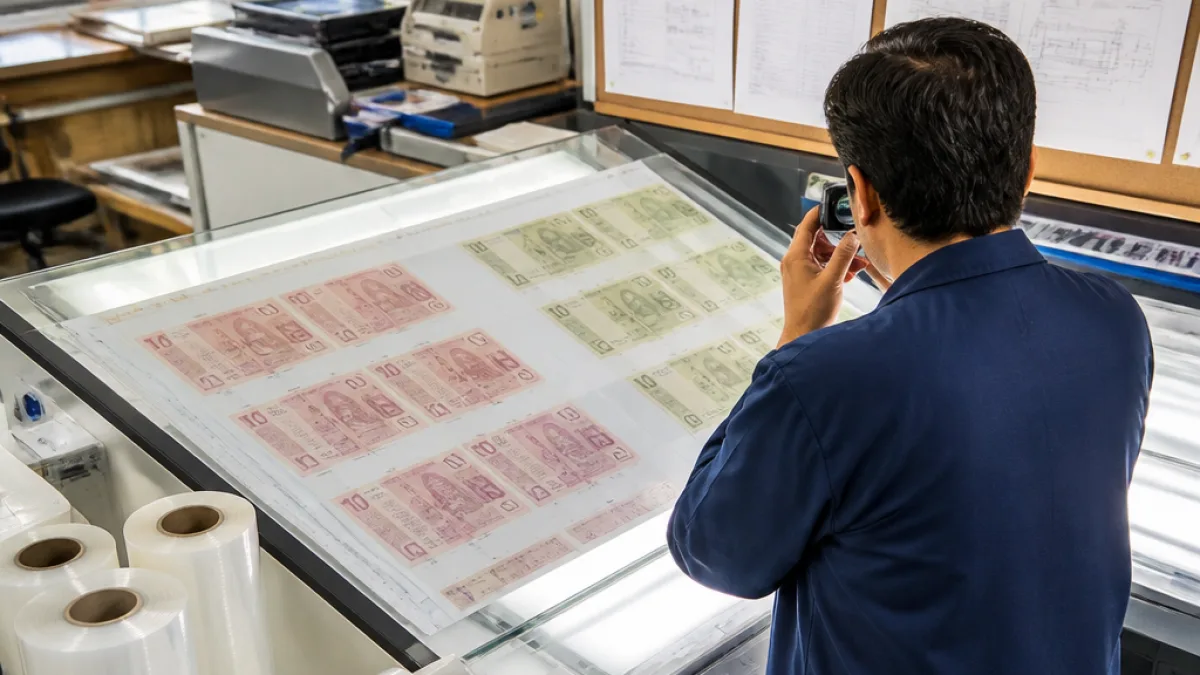
The Reserve Bank of India’s note-printing unit in Mysuru has taken a central role in India’s renewed effort to test polymer currency, finalising model designs for the proposed Rs. 10 and Rs. 20 denominations ahead of government-approved field trials, Star of Mysore reported.
According to the report, the Research and Development wing at the Mysuru facility prepared the model designs, which were subsequently forwarded to the RBI’s Mumbai office for comparison with polymer notes used abroad. After evaluation, RBI officials approved the design and recommended the proposal for further consideration, the report said.
"There is no proposal at present to replace paper currency with polymer notes," the Government has clarified, the report added.
The Centre has given approval for field trials involving 1 billion pieces each of the Rs. 10 and Rs. 20 polymer notes, which would be issued alongside existing paper notes. The trials are aimed at assessing the durability and performance of polymer notes under Indian conditions, the report said.
- Design lead: Mysuru RBI unit R&D wing prepared the model designs.
- Trial scale: 1 billion pieces each of Rs. 10 and Rs. 20 proposed.
- Procurement: BRBNMPL has invited global bids for polymer substrate sheets with embedded security features.
The initiative revives an earlier plan from 2012-13, when the RBI had proposed a field trial of one billion Rs. 10 polymer notes across five cities — Mysuru, Kochi, Jaipur, Bhubaneswar and Shimla — chosen for varied geographical and climatic conditions. That proposal, however, did not progress to regular circulation. The current plan, the report said, brings the effort back after more than a decade.
India will join over 50 countries that already use polymer notes; Australia pioneered the use in 1988, followed by Canada, the United Kingdom, Singapore and New Zealand, the report noted. The RBI printing arm, Bharatiya Reserve Bank Note Mudran Private Limited (BRBNMPL), has moved to the procurement stage by inviting global bids for substrate sheets that incorporate security features required for the notes.
| Denomination | Proposed quantity for trial |
|---|---|
| Rs. 10 | 1 billion |
| Rs. 20 | 1 billion |
Local stakeholders and logistics planners in Mysuru — home to the RBI’s note-printing R&D — may see implications across several fronts if trials proceed. These include changes to note-handling protocols at banks and cash-intensive businesses, adjustments in ATM and currency-sorting machinery calibration, and potential supply-chain work related to polymer substrate procurement and security-feature embedding. The Star of Mysore report did not provide timelines for the start or completion of the trials or details on the geographic spread of the pilot circulation.
Officials and industry observers have previously highlighted advantages of polymer notes such as longer life-span, improved resistance to moisture and soiling, and enhanced security-feature integration; the current field trials are intended to evaluate these factors under Indian climatic and circulation conditions. The government’s clarification that polymer notes would be issued alongside — and not as an immediate replacement for — paper currency is likely intended to ease transition planning for banks, cash-handlers and the public, the report said.
The Mysuru unit’s role in design and R&D places the city at the centre of this technical phase of India’s currency experimentation, potentially shaping further discussion on domestic note production strategy should the trials demonstrate favourable results.