Electoral roll trimmed after SIR; women now outnumber men
The Election Commission on Sunday published Manipur's final electoral roll following a Special Intensive Revision (SIR), recording 19.60 lakh electors across the state's 60 Assembly constituencies. Authorities said the revision resulted in the deletion of 1.89 lakh names and the addition of 56,871 new voters.
State Chief Electoral Officer Arun Kumar Sinha provided the breakdown, saying the updated list contains 9,53,350 male electors, 10,06,000 female electors and 308 third‑gender electors. He added that the gender ratio for the state now stands at 1,056.
"After the SIR exercise, the state now has over 19.60 lakh electors across 60 Assembly constituencies," Sinha said.
Officials pointed out that the revision began with 20.93 lakh electors on the rolls as of 18 May this year, making the final figure roughly 6.33 per cent lower than the pre‑revision total. The draft roll that was published on 5 July listed 19.34 lakh electors.
Claims and objections processed; tens of thousands affected
During the claims and objections window from 5 July to 4 August, authorities received 96,985 submissions, all of which were examined for the final publication, the CEO said. From the draft list to the final roll:
- 56,871 electors were added.
- 30,650 electors were deleted from the draft roll.
Overall deletions during the entire SIR exercise amounted to 1.89 lakh, reflecting removals carried out after verification processes. The CEO also reported an electoral participation ratio of 51.99, a figure that will be key for planners and political parties as they prepare for future contests.
What the numbers mean for voters and administration
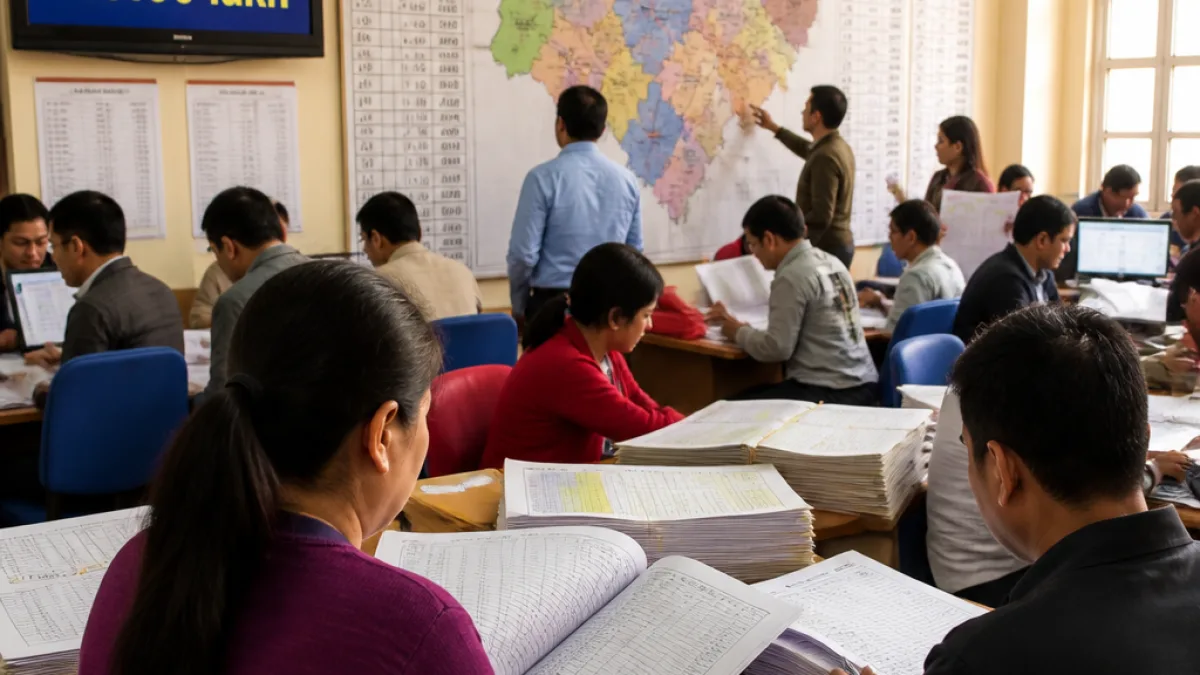
The SIR is intended to clean the voter list by removing duplicate, ineligible or obsolete entries while adding newly eligible electors. The net reduction in registered electors—over six per cent—suggests a sizeable number of records were deemed incorrect or redundant after field verification and claims processing.
For citizens, the revision underscores the importance of checking the published rolls during draft and final stages. Electoral officers typically advise residents to confirm their inclusion and correct details ahead of nomination and polling schedules; failure to appear on the roll can prevent eligible voters from exercising the franchise on polling day.
Data snapshot
| Item | Figure |
|---|---|
| Electors before SIR (as of 18 May) | 20.93 lakh |
| Draft roll (5 July) | 19.34 lakh |
| Final roll (post‑SIR) | 19.60 lakh |
| Deletions during SIR | 1.89 lakh |
| Additions during SIR | 56,871 |
| Male electors | 9,53,350 |
| Female electors | 10,06,000 |
| Third‑gender electors | 308 |
| Gender ratio | 1,056 |
| Electoral participation ratio | 51.99 |
Next steps and administrative implications
With the final roll now published, electoral machinery will proceed to print official polling lists and prepare for any forthcoming elections or by‑elections. Political parties and candidates will also study constituency‑level changes to tailor outreach and voter mobilisation strategies.
Electoral officials in the state routinely urge citizens to verify details on the published roll and to raise any remaining grievances through prescribed legal channels. The availability of third‑gender entries is consistent with national directives to ensure inclusive registration for voters beyond the male/female binary.
State election authorities did not provide a constituency‑wise break up of additions and deletions in the statement accompanying the final roll release.
Officials said the publication of the final list concludes the SIR exercise for the current cycle and provides the authoritative record for voter eligibility until the next revision is ordered.