Belagavi, Karnataka — Chief Minister D.K. Shivakumar is due to meet representatives of the Karnataka Rajya Raitha Sangha and Hasiru Sene in Channamma Kittur on Saturday evening, officials said, as a four-day padyatra by sugarcane growers pressed its demands after disrupting traffic on key national highways.
Protest route, disruptions and escalation
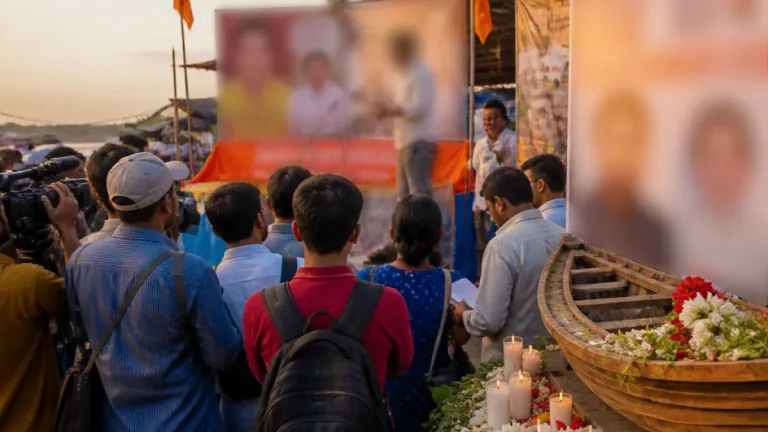
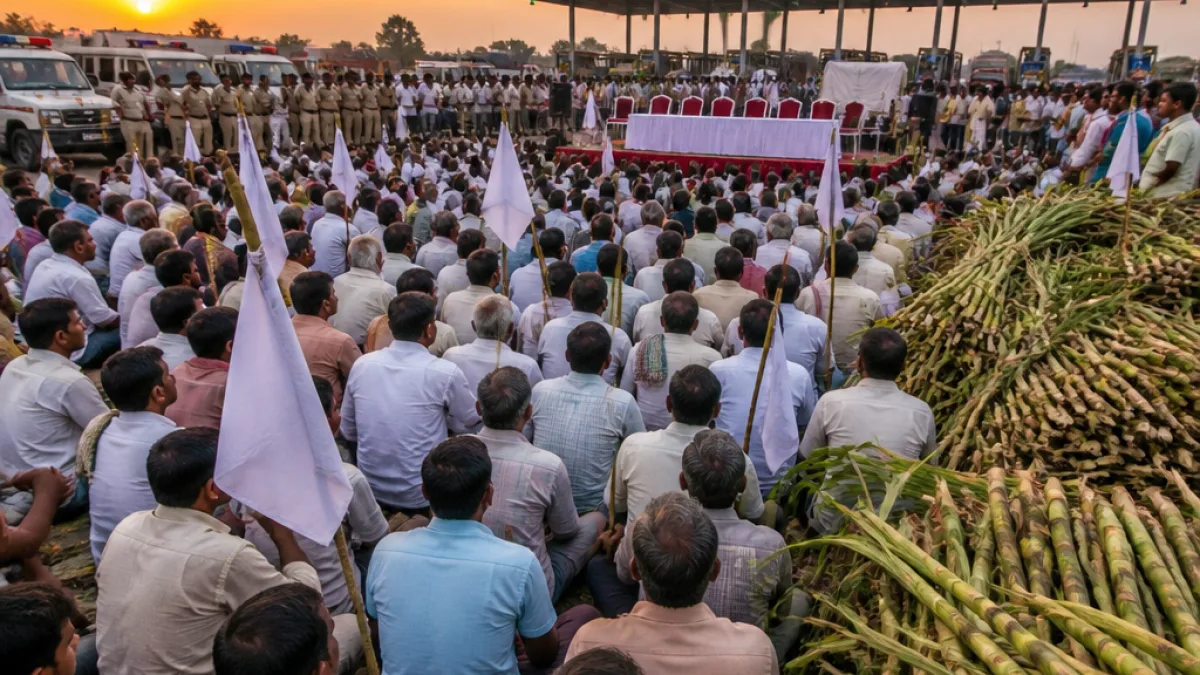
The farmers began their agitation at Hattargi toll plaza and set out on a march after reporting no response from the Centre to their grievances. Demonstrators blocked traffic on the Pune–Bengaluru national highway for more than 30 hours earlier this week, staging prolonged blockades at several points in Belagavi district and neighbouring taluks.
According to reports, the movement included protests at:
- Kognoli checkpost in Nippani taluk
- Hattargi toll plaza in Hukkeri taluk
- Hirebagewadi toll plaza in Belagavi taluk
After launching the padyatra from Hattargi on Wednesday evening, participants reached the vicinity of the Suvarna Vidhana Soudha in Belagavi district within two days and resumed marching towards M K Hubli in Channamma Kittur taluk on Friday.
Farmers' demands and state-centre pressure
Protesters have set out a set of economic demands they say are essential for the viability of cane cultivation. The principal demands include a higher sugarcane price, a substantial rise in the minimum selling price (MSP) of retail sugar, and assurances on ethanol procurement from mills.
“We want a sugarcane price of Rs 5,500–6,000 per tonne and an increase in the minimum selling price of sugar to Rs 60 per kg,” said Chunappa Pujeri, state president of Karnataka Rajya Raitha Sangha and Hasiru Sene, urging Union Minister Pralhad Joshi to respond and apologise for the delay.
Pujeri has also sought a clear commitment from the Chief Minister on the farmers’ plea for an additional ₹1,000 per tonne as state assistance. The protesters have called for the Centre to raise the Fair and Remunerative Price (FRP) for sugarcane and to implement the recommendations of the M S Swaminathan Commission.
| Demand | Requested figure |
|---|---|
| Sugarcane price | ₹5,500–₹6,000 per tonne |
| MSP of sugar | Increase from ₹31 to ₹60 per kg |
| State assistance | Additional ₹1,000 per tonne |
Assured procurement and ethanol concerns
Beyond price hikes, farmers have demanded assured procurement of the entire quantity of ethanol produced by sugar factories, “without discrimination”, the protest leadership said. They contend that fair ethanol procurement would improve factory liquidity and ensure timely payments to growers, a persistent grievance in this crop cycle.
Political and administrative response
The protest has placed simultaneous pressure on the state and central governments. With the padyatra arriving in Channamma Kittur on its fourth day, the Chief Minister’s decision to meet farmer delegations is being watched as a barometer of the government’s willingness to negotiate on prices and direct financial assistance.
There has been no official statement from the Union Ministry of Consumer Affairs, Food and Public Distribution in response to the demands, and the farmers have publicly sought an explanation and action from Union Minister Pralhad Joshi.
Local impact and next steps
Traffic disruptions on the Pune–Bengaluru corridor and at toll plazas in Belagavi district affected movement of goods and commuters during the week, prompting complaints from transporters and local businesses. The protesters’ march towards Channamma Kittur town drew local support as well as criticism from some quarters for the sustained blockades.
After the scheduled meeting on Saturday evening, observers say the scale and nature of any concessions or announcements will determine whether the agitation is de-escalated or prolonged. Farmer leaders have indicated they will await a concrete response from both state and central authorities before deciding on further action.
For now, the focus remains on the talks in Channamma Kittur and the broader question of whether a negotiated settlement will address both short-term cash-flow concerns for growers and longer-term structural reforms in the sugar value chain.