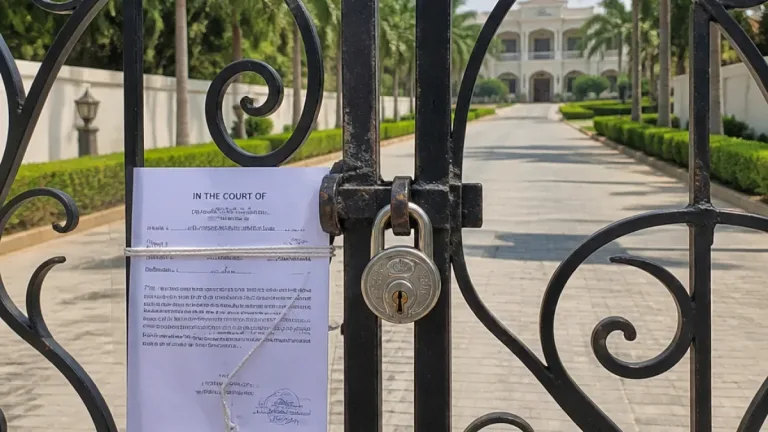
RANCHI: The Jharkhand High Court on Tuesday stayed the State Government’s decision to cancel appointments filled through the JSSC Combined Graduate Level (CGL) recruitment (Advertisement No. 10/2023), offering interim protection to 99 appointees who challenged the action in court.
Bench directs government to file response
A single-judge bench of Justice Deepak Roshan heard the petition filed by candidate Akash Gaurav along with 98 others and ordered the Jharkhand Government and the Jharkhand Staff Selection Commission (JSSC) to file their replies by 15 September. The matter has been listed for further hearing on the same date, the court recorded.
The petitioners were represented by senior counsel and former Advocate General Rajeev Ranjan, assisted by advocate Shreya Mishra, who challenged the administration’s unilateral annulment of appointments that had been made on the basis of the CGL examination results.
Background: cancellation followed CID findings
The State Government announced the cancellation of certain recruitment processes on 18 August, following findings from a Criminal Investigation Department (CID) probe into alleged irregularities. The government said examinations in which the role of a firm identified as TDPL had emerged would be scrapped, and ordered a wider investigation into recruitments since 2014.
The High Court’s interim order came after the petitioners argued that the cancellations affected the careers and legitimate expectations of those already appointed and that the government action required judicial scrutiny.
CID arrests continue
Separately, the Jharkhand CID has continued its probe into alleged malpractices in the JSSC-CGL examination-2023 and arrested another person in Bihar on Monday, bringing the total number of apprehensions in the case to 11, officials said.
The latest accused, identified as Rajan Kumar and residing in a village under Newara police station in Patna district, was taken into custody by Jharkhand investigators. According to the CID, the accused allegedly ferried several aspirants to a hotel at Niyamatpur in West Bengal where they were instructed to memorise examination questions and answers.
“The accused took several JSSC-CGL aspirants to a hotel at Niyamatpur in West Bengal, and made them memorise the questions and answers of the examination,”
The CID said the arrest was part of its effort to unravel the network of individuals and agents suspected to have facilitated the irregularities. Job aspirants had staged protests in Ranchi for nearly a month after anomalies in the recruitment were raised.
Immediate implications for candidates and administration
The High Court’s stay preserves the appointments of the petitioners for the interim, but the broader inquiry and any administrative action remain pending until the court disposes of the writ petitions or passes further directions.
- 99 petitioners received interim relief from the High Court.
- The government and JSSC must file responses by 15 September.
- 11 arrests have been made by the CID so far in connection with the case.
What the court will examine
The High Court will need to balance the State’s duty to maintain the integrity of public examinations with the legal rights of candidates who were declared appointed after following the recruitment process. Key issues likely to arise include the scope and admissibility of CID findings, the reasons and procedure adopted for cancellation, and whether those affected were given an opportunity to be heard before the administrative action.
| Item | Detail |
|---|---|
| Petitioners | 99 candidates led by Akash Gaurav |
| Bench | Justice Deepak Roshan |
| Next listing | 15 September (responses to be filed by government and JSSC) |
| CID arrests | 11 persons arrested so far |
Representatives of the State Government and the JSSC were directed to place their stand before the court by the next date, as the legal contest over the cancellations proceeds. The CID investigation into alleged paper leaks and facilitators of malpractice is also ongoing, with further arrests and developments possible as the probe continues.
The case highlights long-standing concerns about the conduct of competitive examinations in the state and underlines the judiciary’s role in adjudicating disputes that pit administrative corrective action against the rights of individual candidates.