Private collection opened to public in Pancheshwar Tower
Jamnagar — A resident of the city has transformed his home into a public gallery of Lord Ganesh artefacts, exhibiting a collection assembled over the last 40 years, officials and reports said. The collector, identified as Dilip Dhruv of Pancheshwar Tower area, has curated nearly 3,000 items related to the Hindu deity and now allows visitors to view the collection from his residence.
Size, range and materials
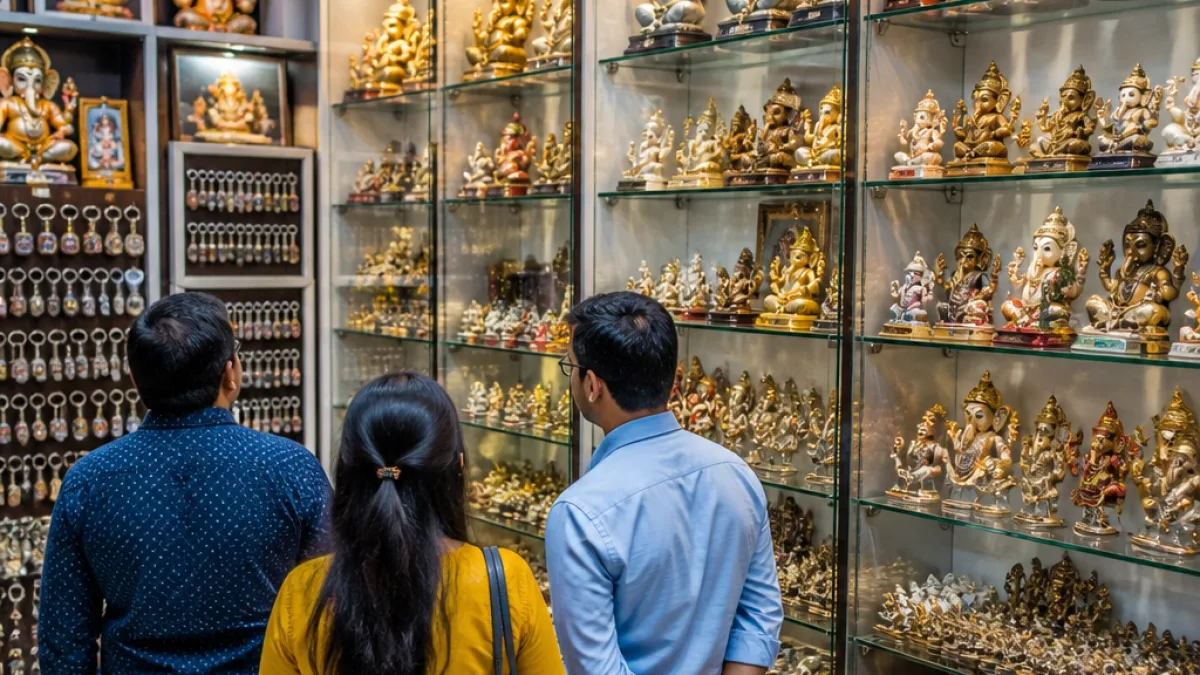
According to the report, the amassed collection includes about 800 idols of Ganesh, alongside a wide variety of associated objects such as key chains, photographs and books. The collector has sourced pieces made from multiple materials and in many sizes: the smallest idol measures approximately 2 inches in height while the largest is about 2.5 feet. Items in the gallery are crafted from media including silver, wood, glass and thermocol, the report added.
- Total artefacts: ~3,000
- Ganesh idols: ~800
- Ganpati key chains: ~200
- Photographs: ~500 (including framed images)
- Duration of collecting: 40 years
International reach and public access
The collection is not limited to locally sourced pieces. The report states that over the decades Mr Dhruv has obtained artefacts from abroad, including the United States, China, Japan and Great Britain. Rather than keeping the assemblage private, he has opened the gallery in his home to the public, and the report notes a steady stream of visitors, particularly around Ganesh Utsav when devotees and curious residents seek out unique idols and information about the deity.
"My unique collection is quite diverse. I have idols of Lord Ganesh made from various materials including silver, wood, glass and thermocol. The idols are of various sizes with the smallest being just two inches tall and the largest being 2.5 feet in height," the owner said.
Local context and cultural implications
Jamnagar is known for active public participation in festival rituals, and private collectors who make their holdings accessible can contribute to neighbourhood tourism and informal cultural education. A home museum such as this functions as a living repository: visitors view different iconographies and learn about material culture, icon-making techniques and regional worship practices without travelling to formal museums.
The report also highlights a notable personal stance by the collector: he does not practise idol immersion. That position, increasingly discussed in Gujarat and across India, touches on environmental and ritual debates around Ganesh Utsav. By retaining idols in a gallery setting, the collection also preserves artefacts that otherwise might be immersed or discarded after festival observances.
Visitor experience and curatorial notes
While the report does not specify visiting hours or entry procedures, it indicates that large numbers of people come to view the collection, particularly at festival time when demand for unusual or meaningful idols rises. The assemblage includes books and framed photographs in addition to tangible idols and souvenirs, offering an overview of devotional practices and popular imagery associated with Ganesh.
| Category | Approximate count |
|---|---|
| Total artefacts | ~3,000 |
| Ganesh idols | ~800 |
| Key chains | ~200 |
| Photographs | ~500 |
The gallery’s existence within a residential block at Pancheshwar Tower also raises practical questions for city planners and residents about crowd management during peak festival periods. If visitor numbers increase, local groups and civic bodies may need to coordinate on access, parking and safety—matters that often accompany popular home exhibitions in urban neighbourhoods.
For now, the collection stands as a notable local initiative in Jamnagar that blends personal devotion with public display, offering residents and visitors an opportunity to see a wide cross-section of Ganesh iconography assembled over four decades.