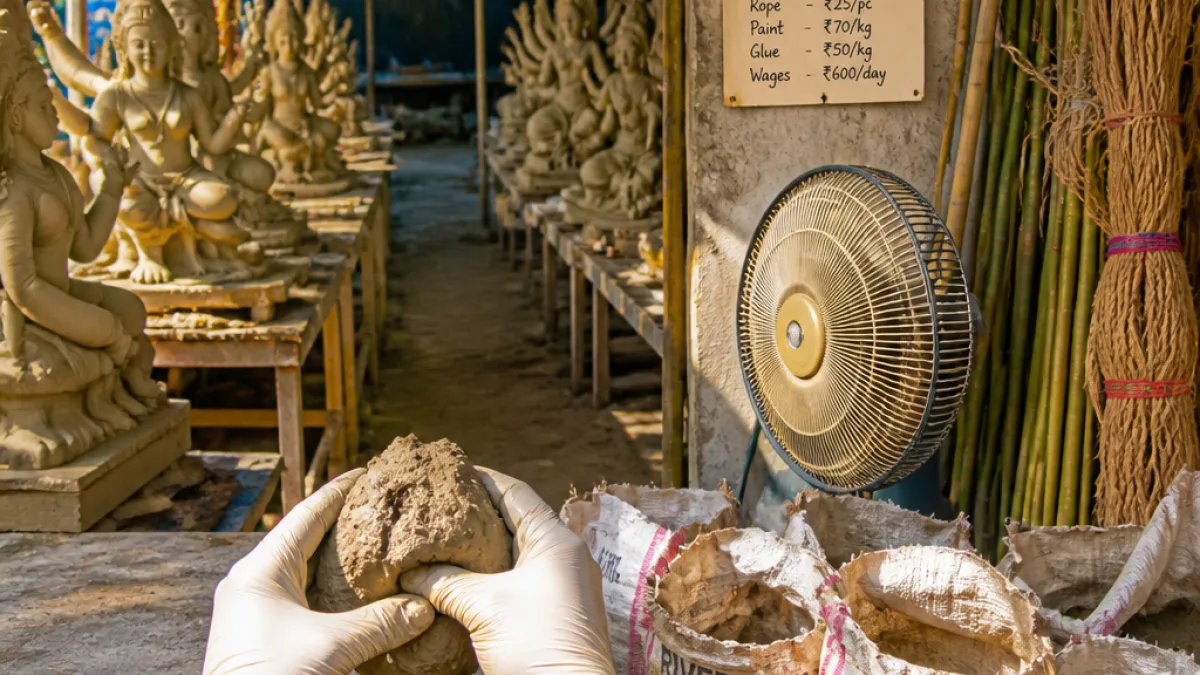
Artisans in Kumartuli scale down amid clay scarcity and cost pressures
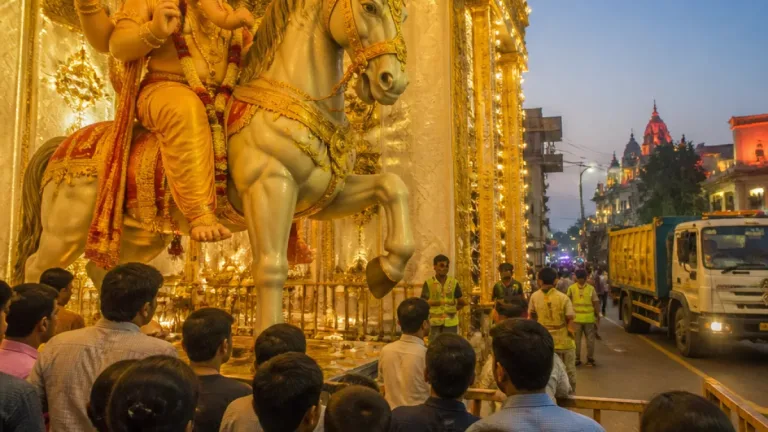
SILIGURI: Artisans in Siliguri’s Kumartuli are producing significantly fewer idols this season as a combined shortage of clay and steep increases in the prices of raw materials squeeze margins ahead of Durga Puja and Ganesh celebrations, local reporting has said.
The shortage of riverine soil following government restrictions aimed at curbing illegal mining has disrupted the regular supply chain for modelling clay, while higher prices of fuel and other inputs have driven up transport and input costs, artisans said, according to a report in the Millennium Post.
Those who make idols for household worship and club-themed pandals in Siliguri and neighbouring hills said they are already seeing a decline in orders and are struggling to match previous production levels. The artisans noted that the number of orders so far has fallen by more than 10 compared to last year, the report said.
- Scarcity of clay linked to restrictions on extracting soil from rivers in several areas.
- Rising input costs including petrol, diesel, bamboo, jute rope, cloth, paint and decorative items.
- Demand contraction as some clubs receive less funding and households limit spending.
Artisan Dipankar Paul was quoted in the report explaining the squeeze on margins:
“Even when we sell idols at the old prices, recovering the cost has become difficult, let alone making a profit.”
Another artisan, Shubhankar Paul, said orders from hill districts including Darjeeling and Sikkim have declined, adding local craftspeople face both supply- and demand-side pressures this season, the Millennium Post reported.
Economic and cultural ripple effects
Kumartuli in Siliguri has grown in recent years as more clubs and households commission idols for Ganesh and Durga festivities, often with elaborate themes. A reduction in production threatens incomes for a wide chain of workers — from model-makers and painters to decorators and transporters — at the time when demand traditionally peaks.
Some clubs, the report added, have scaled down Ganesh celebrations or chosen simpler arrangements because of reduced financial assistance, further lowering demand for elaborate idols and accessories.
| Material | Reported Issue |
|---|---|
| Clay | Scarcity due to river soil extraction restrictions |
| Bamboo | Price increases raising framing costs |
| Jute rope | Higher prices affecting binding and support work |
| Cloth, paint, decorative items | Costlier inputs for finishing and ornamentation |
Practical challenges for small artisans
Artisans described a narrow space to pass on cost increases to customers for fear of losing orders, even as input costs rise. Transport becomes more expensive because of higher petrol and diesel prices when clay must be procured from farther afield, the report said.
The situation has particular urgency because Puja-related work is seasonal: earnings in the months leading up to and during the Puja season often support families through the remainder of the year. A shrinking order book and rising costs therefore carry both immediate and longer-term consequences for household livelihoods in Siliguri’s artisanal clusters.
Local traders, club organisers and artisans may need to explore collective measures — such as pooled procurement, alternative material sources or revised pricing structures — to mitigate the impact. The report did not record any response from state authorities or government departments on measures to address clay supply or to assist affected artisans.
The account is based on reporting by Sanchita Aich Bag in the Millennium Post, which documented the views of Kumartuli artisans and club organisers in Siliguri ahead of the 2026 Puja season.