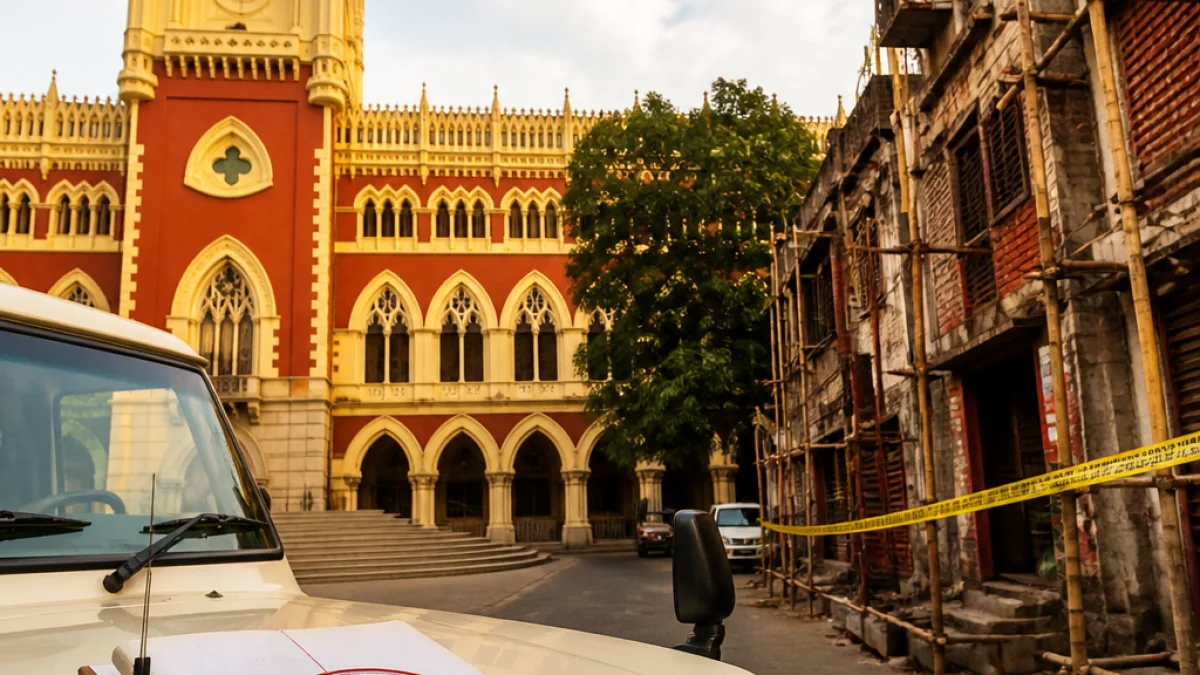
High Court directs central agency to investigate unauthorised structures
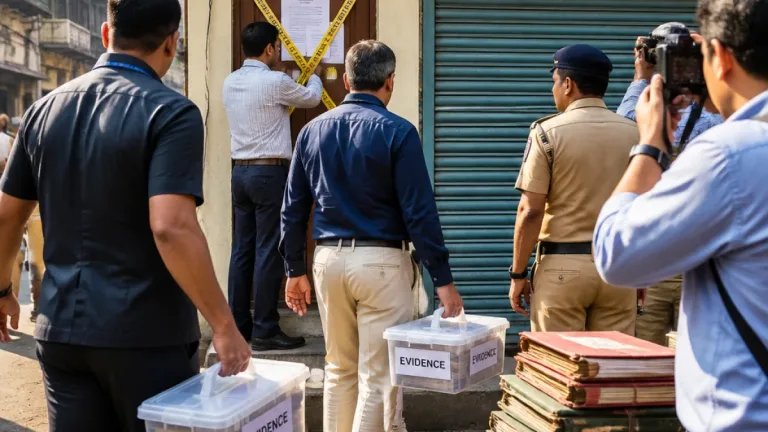
The Calcutta High Court on Friday ordered a Central Bureau of Investigation (CBI) inquiry into allegations of widespread illegal construction in Kolkata, and queried the Kolkata Municipal Corporation (KMC) over its steps — or lack of them — in the matter, legal records show. A division bench headed by Chief Justice Ravindra Vithalrao Ghuge, along with Justice Tapabrata Chakraborty, directed the CBI to probe the matter and furnish a preliminary report before the court on October 14, when the petition will be next heard, the report said.
- Alleged scope: The petitioner identified at least 42 properties where constructions were said to have been raised without proper sanction.
- Areas named: The petition refers to locations falling within the Amherst Street and Narkeldanga police station jurisdictions.
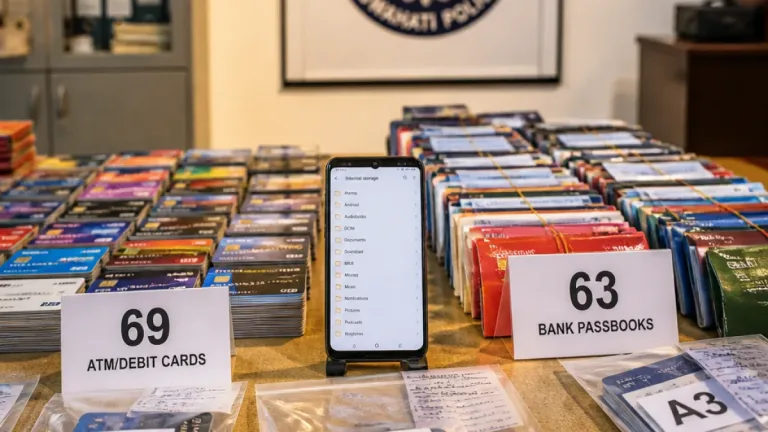
- Concerns raised: The petition alleges concealment of ownership, unregistered transactions, large unaccounted cash flows and possible use of some structures by scam call centres.
"Directed the CBI to conduct an inquiry and submit a preliminary report before the court on October 14,"
The petition, filed after a complaint lodged in November 2024, asserts that builders, private individuals and local authorities were allegedly involved in a racket that allowed developments on government land, thika and waqf properties, and other parcels without proper sanction. It further alleges that developers' identities and financiers were being concealed through unregistered transactions, and that proceeds of fraudulent activities were being channelled into construction projects.
According to the petition as reported, the complainant said authorities were approached with information about unauthorised construction but that, despite an acknowledgement of the complaint, no effective action followed. The bench's direction for a CBI probe elevates the matter from municipal and police inquiry to a central investigation, signalling judicial concern over the facts presented and the potential for wider implications.
| Item | Detail |
|---|---|
| Properties allegedly identified | 42 |
| Police station areas mentioned | Amherst Street, Narkeldanga |
| Original complaint lodged | November 2024 |
| Next court date | 14 October 2026 |
The petition also raised a national-security angle by suggesting that masks of anonymity around ownership and financing could carry broader consequences. It alleged that some unauthorised structures were being used by scam call centres, and that black money generated from fraudulent activities was being invested into property development. Such claims, if borne out, would link urban planning irregularities to organised financial crime and cyber-enabled fraud — issues that have drawn heightened public attention in recent years.
Kolkata's built environment — from the narrow lanes of Burrabazar to the colonial-era terraces of north Kolkata and the expanding skyline of the eastern fringes — has for decades presented a complex mix of licensed development, encroachments and unauthorised alterations. Civic bodies, police and courts have periodically taken action on specific violations, but systemic allegations involving multiple properties and possible involvement of municipal functionaries escalate the matter beyond routine enforcement.
The court-ordered CBI inquiry transfers the onus for fact-finding and possible prosecution to a central investigative agency with powers beyond municipal reach. The preliminary report due in October will be used by the bench to decide further directions. Until the CBI files its findings, municipal records, sanction histories and the petitioner's documentation will remain crucial to establishing the veracity and scale of the allegations, as well as any administrative lapses.
Residents and property owners in Kolkata may await the CBI findings with interest, particularly those living or owning property in the areas named in the petition. Any enforcement action following the probe could have implications for occupancy, title disputes and local planning procedures. The case also underscores ongoing debates in the city about transparency in land-use decisions and the effectiveness of municipal oversight.