Gulbarga consumers advised on silver purity, pricing and digital options
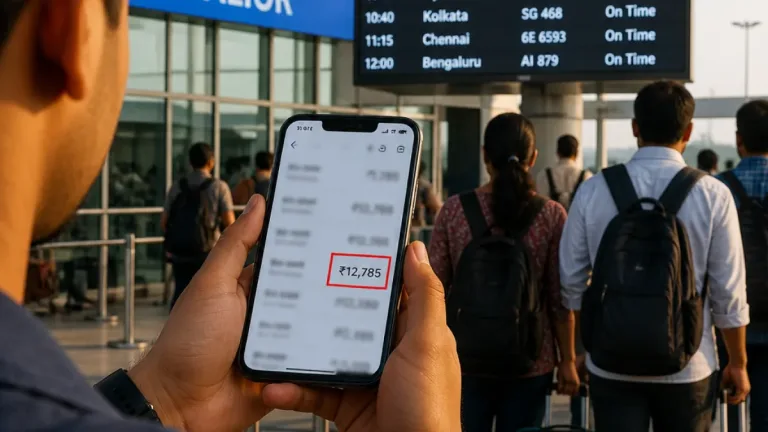
GULBARGA — Residents buying silver in Gulbarga are being urged to pay close attention to purity (fineness), making charges and hallmarking as the daily benchmark rate is only the starting point for showroom prices. Local jewellers and financial advisers say the published rate per kilogram or per 10 g serves as a base; the final amount paid includes additional components that vary by retailer and product.
Silver purity is commonly expressed in fineness, which shows the parts of pure silver per 1,000 parts of the alloy. The main fineness grades available to consumers are:
- Fine silver (.999) — 99.9% silver, regarded as the purest consumer grade.
- Britannia silver — 95.8% silver.
- Sterling silver — 92.5% silver, the most common grade for jewellery and household items.
- Coin silver — 90% silver, historically used in coinage.
Buyers should note that these grades affect both appearance and price. A higher fineness means more pure silver content, but workmanship and design can push up the showroom price well beyond the base metal value.
| Grade | Fineness (parts per 1,000) |
|---|---|
| Fine silver | 999 |
| Britannia silver | 958 |
| Sterling silver | 925 |
| Coin silver | 900 |
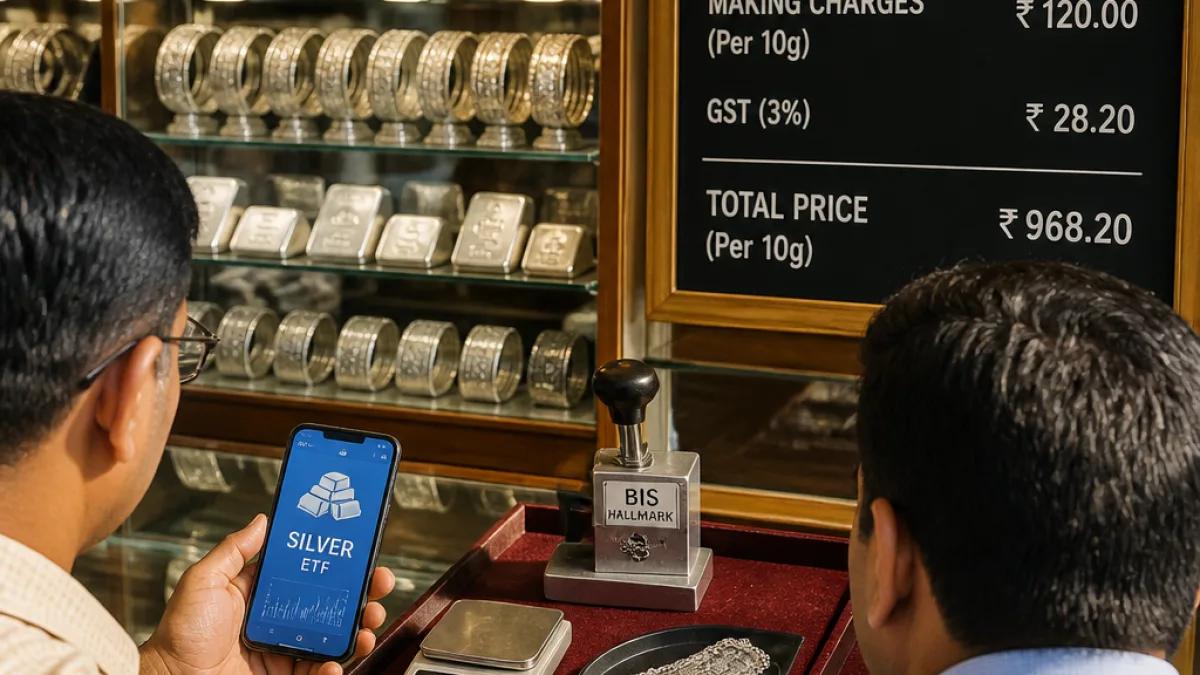
On top of the base rate, showroom pricing normally adds making charges which vary by design and retailer. The final payable amount also attracts 3% GST on jewellery, which should be included in the bill. For studded silver items, the gross weight is reduced by the weight of embedded stones when calculating net silver content for pricing.
"Verify authenticity by checking the BIS logo and purity grade (e.g., 925 for sterling silver or 999 for fine silver)."
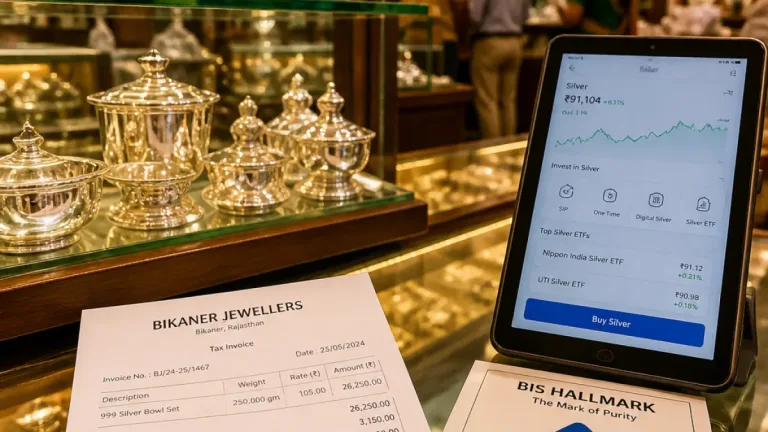
The Bureau of Indian Standards (BIS) hallmark remains a key safeguard for Gulbarga buyers. Hallmarking indicates the purity grade and often includes a jeweller identification mark; some items may also carry a HUID code, though that is more widely standardised for gold. Consumers are advised to insist on a proper invoice with hallmark details before completing purchases.
Beyond physical silver, investors in Gulbarga have alternatives. The source material notes three broad non-physical routes:
- Digital silver platforms that allow purchase and holding without taking physical delivery.
- Silver Exchange Traded Funds (ETFs) that track silver prices and trade on exchanges.
- Silver fund-of-funds and similar instruments available through brokers.
However, market watchers caution that digital silver platforms are not regulated by the Securities and Exchange Board of India (SEBI) in the same way as other securities. SEBI has previously flagged risks around transparency, pricing and investor protection for some unregulated digital products. Investors who prefer the convenience of not storing physical metal should therefore check regulatory status, fee structures and redemption mechanisms before committing funds.
For everyday buyers in Gulbarga — whether purchasing silver for festivals, weddings or household use — the key practical steps remain the same: confirm the fineness, demand BIS hallmarking, obtain a detailed invoice showing net weight and making charges, and verify GST calculations. Comparing quotes from multiple local jewellers and asking for a breakdown of charges can help avoid unexpected premiums over the benchmark rate.
Local consumer groups advise caution when buying from unbranded stalls or online sellers without verifiable hallmarking or clear return policies. While physical silver carries storage and making-charge considerations, ETFs and digital options offer liquidity and lower transaction friction, but bring regulatory and transparency trade-offs that each investor must weigh.
As silver continues to feature in household spending and as an investment theme in Karnataka, Gulbarga buyers should prioritise documented purity and transparent pricing before making any purchase.