New Delhi / Sri Vijaya Puram, Aug 12: The central government has outlined a broad push to diversify and upscale tourism in India’s island territories, with the Andaman and Nicobar Islands promoting eco‑tourism, bird watching, caravan and astro tourism while Lakshadweep develops luxury lagoon villas and tented stays, Parliament was told on Wednesday.
Policy focus and key facilities
In a written reply to a Rajya Sabha question, Minister of State for Home Nityanand Rai said tourism has been identified as a priority sector for the economic development of the islands. The Andaman administration is pursuing a mix of nature‑based, cultural and adventure offerings and is also developing new tourist circuits, the minister added.
- Eco‑tourism projects — Shaheed Dweep, Aves, Long and Smith Islands are being developed through public‑private partnership (PPP).
- Brownfield resort redevelopment — a Megapode resort at Sri Vijaya Puram is under a brownfield PPP project.
- New niche products — astro tourism, caravan tourism, bird watching, luxury tents and houseboat tourism have been introduced in the Andamans.
- Beach standards — Radhanagar beach at Swaraj Dweep has been awarded Blue Flag certification; infrastructure upgrades have been carried out at five other beaches.
The statement framed tourism expansion as both a development objective and a supply‑side response to rising visitor numbers. The administration has sought to increase accommodation options and diversify seasonal attractions to spread tourist footfall across islands and months.
Infrastructure and connectivity
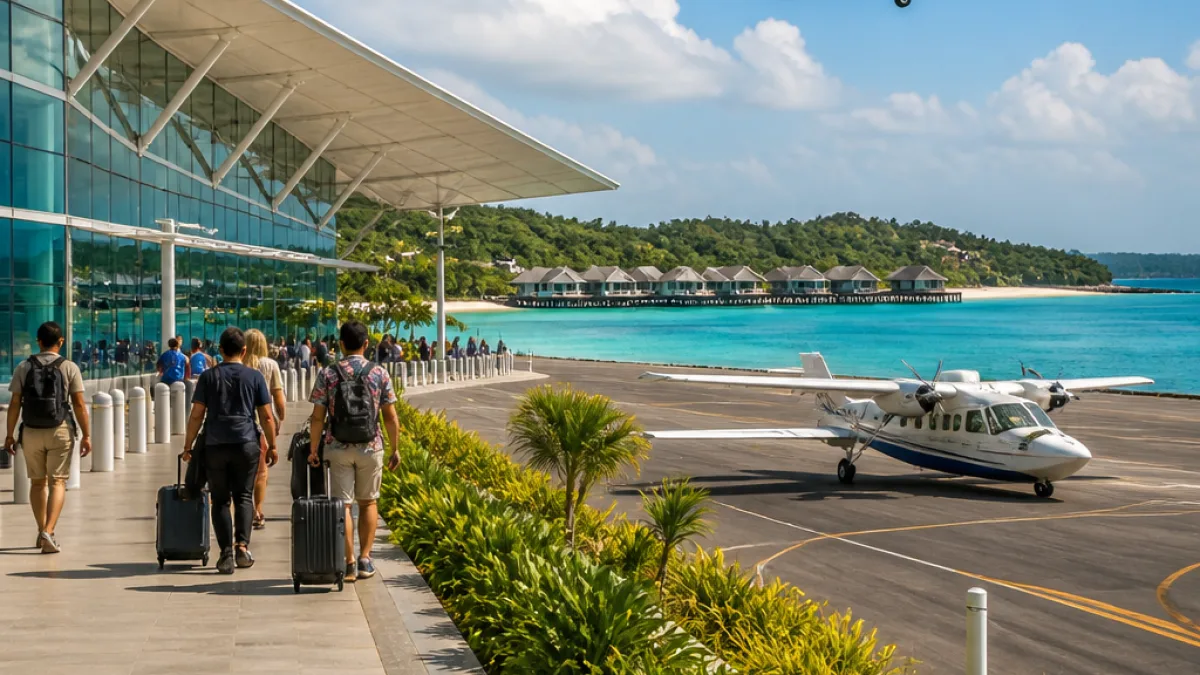
The government noted transport upgrades to support the tourism push. A new terminal at Veer Savarkar International Airport in Sri Vijaya Puram has been made operational with a handling capacity of 50 lakh passengers annually. Helicopter services are running from Sri Vijaya Puram to multiple destinations within the Union Territory, and plans are in place for 19‑seater fixed‑wing services to connect Diglipur, Car Nicobar and other locations.
| Project/Measure | Location | Delivery model |
|---|---|---|
| Eco‑tourism projects | Shaheed Dweep, Aves, Long, Smith | PPP |
| Megapode resort redevelopment | Sri Vijaya Puram | Brownfield PPP |
| Airport terminal | Veer Savarkar International Airport, Sri Vijaya Puram | Public infrastructure |
In Lakshadweep, the administration is developing first‑of‑its‑kind lagoon villas at Minicoy, Kadmat and Suheli islands under PPP arrangements. The statement also notes the opening of luxury tented accommodation — 50 tents at Bangaram and 100 at Thinnakara — to meet rising demand.
Standards and sustainability
The government highlighted Blue Flag certifications as part of beach quality and sustainability upgrades. Radhanagar at Swaraj Dweep already holds the certificate; two beaches in Lakshadweep — Thundi at Minicoy and Kadmat — are also Blue Flag certified, and additional beaches have been identified for similar recognition.
Blue Flag status typically requires compliance with environmental, safety and amenity standards. The ministry’s account suggests a parallel emphasis on both marketable luxury offerings and certified, environmentally aware beaches, a combination aimed at attracting higher‑spending tourists while maintaining conservation credentials.
What this means locally
For the Andaman and Nicobar Islands, the measures aim to expand visitor capacity and spread tourism beyond the better‑known hubs. The new airport terminal’s 50 lakh annual capacity is a notable increase in fixed infrastructure that could facilitate more frequent flights and larger aircraft operations.
However, implementing PPP projects across small islands will require careful balancing of environmental safeguards, local livelihoods and logistical constraints such as waste management, water supply and inter‑island connectivity. The minister’s note does not specify timelines or investment figures for the projects mentioned.
As the administrations roll out these initiatives, outcomes to watch include occupancy trends at new accommodation, the pace of certification for additional beaches, and the establishment of reliable intra‑island air links such as the proposed 19‑seater fixed‑wing services.
The written reply in the Rajya Sabha frames tourism expansion as a multi‑pronged effort: upgrading infrastructure, creating new products and improving connectivity. The scale and sustainability of these moves will determine whether they boost local economies without degrading the fragile island ecosystems that make these destinations attractive.