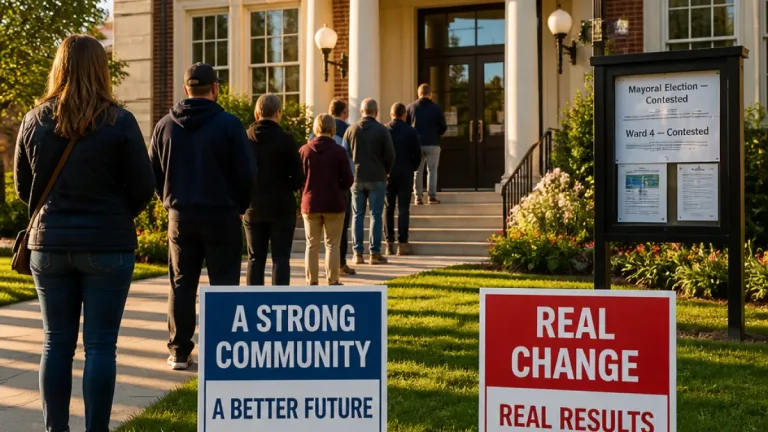
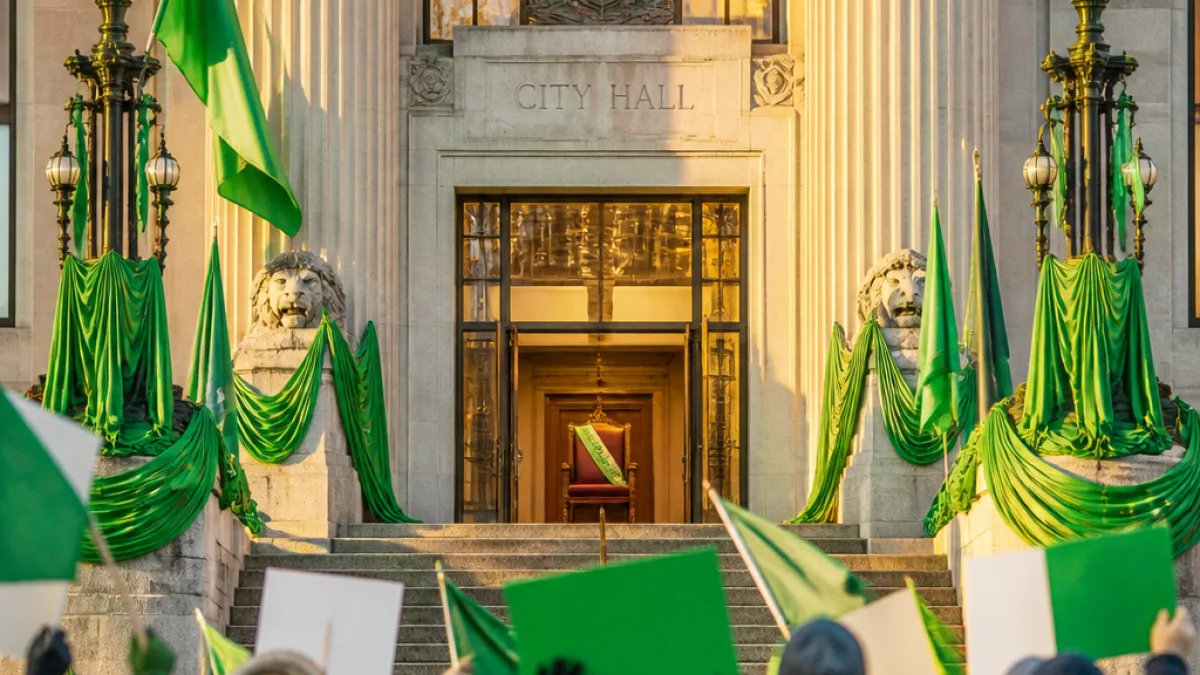
Vancouver voters handed a dramatic rebuke to the business-aligned slate that dominated city hall four years ago, electing Green Party candidate Pete Fry as the city’s first Green mayor and delivering an overwhelmingly progressive tilt to the next council.
Election delivers a left-of-centre majority across civic bodies
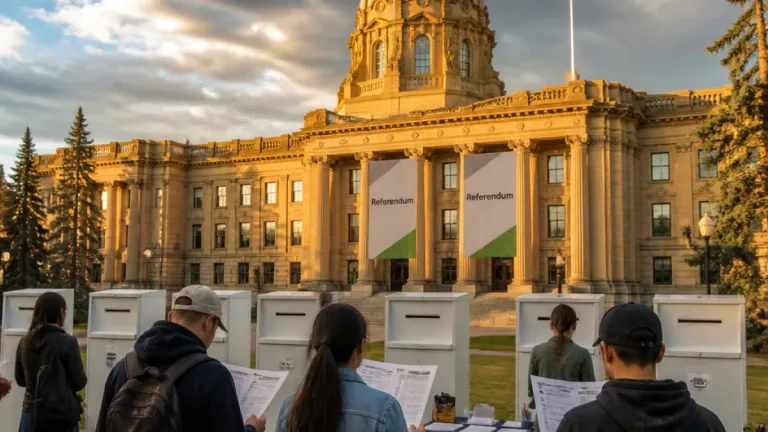
Preliminary results show Fry won with more than 98,000 votes, roughly 31,000 votes ahead of incumbent Ken Sim. Voter engagement surged: turnout reached about 209,000, up 36 per cent from the last municipal election.
The composition of the next council reflects that shift. Greens and the Coalition of Progressive Electors (COPE) each won four of the 10 council seats, while OneCity Vancouver secured a ninth seat for the left-of-centre camp. The business-friendly ABC Party, which held seven seats in 2022, was reduced to one councillor and lost the mayor’s office.
| Party / Group | Council seats (10 total) |
|---|---|
| Greens | 4 |
| COPE | 4 |
| OneCity Vancouver | 1 |
| ABC Party | 1 |
Progressive candidates also swept other civic bodies: all seven Park Board commissioners elected are from Green or COPE tickets, and all nine school trustee positions went to Green, COPE and OneCity candidates.
What the result means for Vancouver
The scale of the progressive win sets up a city hall where environmental priorities, housing policy and public services may be pushed in new directions. While no single party holds an outright majority on council, the results reflect close cooperation among left-of-centre groups during the campaign — notably when COPE and OneCity candidates stepped aside during the mayoral race to improve Fry’s prospects.
Fry, who embraced supporters at his downtown party and shared a hug with his mother, federal Liberal MP Hedy Fry, told the gathering that the Greens would "fight for the city."
"the Greens would "fight for the city."
That pledge will now be tested in council debates and at the Park Board and school board tables. With Park Board and trustee majorities aligned with Greens and COPE, expect early focus on recreational programming, park stewardship, children’s services and public education priorities under a progressive lens.
Political wounds from the campaign remain visible. COPE councillor Sean Orr — an incumbent who led council vote totals with more than 83,000 votes — is engaged in litigation against Ken Sim, alleging defamation after the mayor accused him of distributing illegal drugs. The contentious climate on the campaign trail highlights the deep partisan divides that the incoming council will need to navigate while governing.
The inauguration for successful candidates is scheduled for Nov. 2. Between now and then, the new mayor and councillors must prepare transition plans and set priorities for early council meetings where committee assignments, budgets and policy directions will be established.
- Mayor: Pete Fry (Green) — more than 98,000 votes
- Turnout: about 209,000 — up 36% from 2022
- Civic bodies: Progressive majorities on council, Park Board and school trustees
For Vancouver residents, the election outcome signals potential shifts on issues that affect everyday life: housing affordability and policy tools, climate and environmental action in the city, and how city resources are allocated to services and amenities. The next weeks will show how effectively the various progressive caucuses work together on those priorities, and how the reduced presence of the ABC Party changes debate dynamics at city hall.
The results mark a clear change in voter sentiment since 2022 and represent a mandate, however complex, for the incoming group of councillors and civic officials to pursue an agenda that reflects progressive policy aims across Vancouver’s diverse communities.