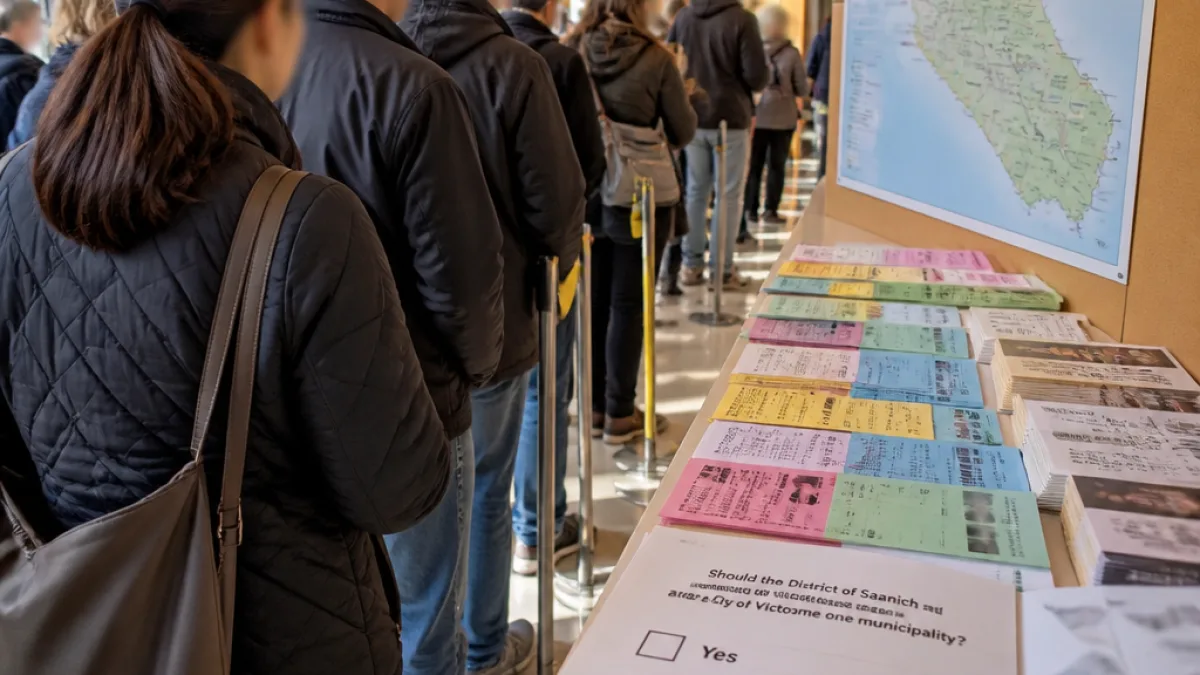
Strong local vote leaves amalgamation off Saanich agenda for now
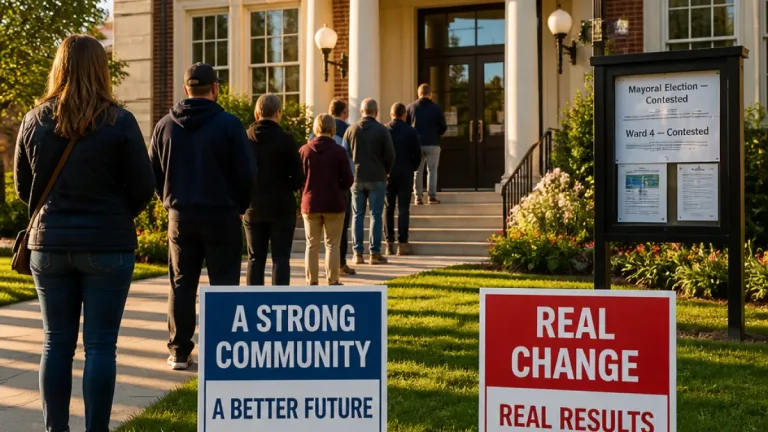
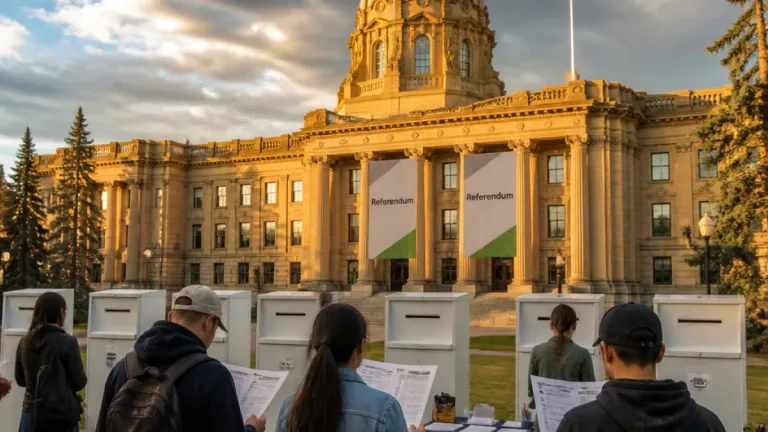
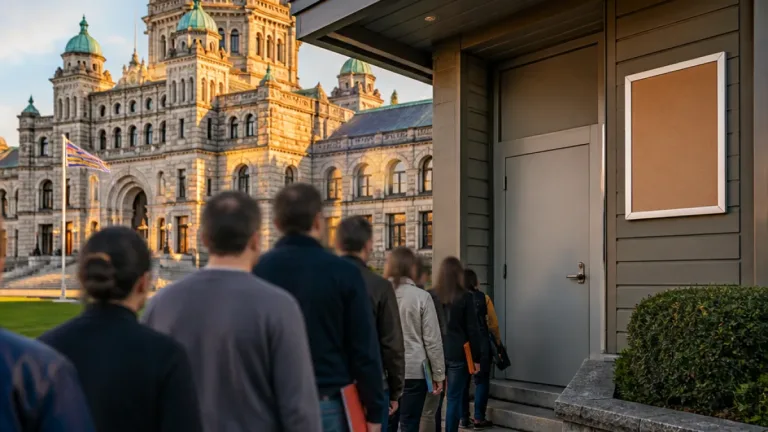
Saanich residents delivered a decisive message on municipal governance in the Oct. 17 municipal vote: 68 per cent of Saanich voters opposed amalgamation with Victoria, while voters in Victoria showed nearly 62 per cent support for a merger. The split reflects sharply differing views across the two municipalities and will shape the next municipal term.
The question of joining Victoria and Saanich has simmered for years. Public consultations and institutional study date back to at least 2014, and a 48‑member Victoria‑Saanich Citizens’ Assembly ultimately reached a consensus recommendation in favour of amalgamation. But the citizens’ assembly recommendation did not translate into broad public backing in Saanich at the ballot box.
- 68% — Saanich voters opposed amalgamation
- ~62% — Victoria voters supported amalgamation
- 48 — members on the Victoria‑Saanich Citizens’ Assembly that recommended a merger
Newly elected Saanich Mayor Rishi Sharma said the outcome vindicated his long‑standing view. Sharma had opposed the 2018 proposal to fund a citizens’ assembly and also voted against amalgamation in the 2026 question.
“That pretty much hampered the energy. If it’s non‑binding, why are we doing it? So I started to see it kind of fall off the priority list.”
Sharma told Saanich News that with more than two‑thirds of Saanich voters opposing a merger, he does not expect amalgamation to be a priority for the new council. “I don’t think we’ll move forward with that,” he said. “It won’t be one of our priorities when we go back to do our strategic planning.”
Victoria Mayor Marianne Alto acknowledged the divergent results and suggested formal amalgamation discussions are likely to slow, even as opportunities for collaboration between the two municipalities remain on the table. The difference in public sentiment underlines the political difficulty of moving forward on a structural change without clear, neighbouring consensus.
From citizens’ assembly to ballot box: a years‑long arc
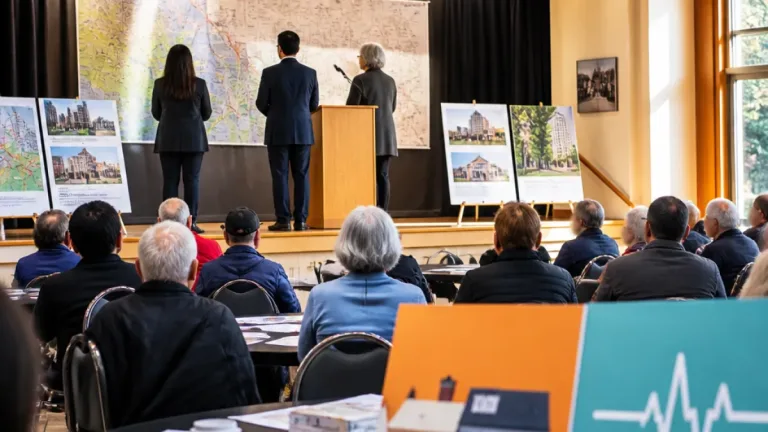
Talk of integration or amalgamation between Saanich and Victoria has unfolded in stages. In 2014, residents of both municipalities voted to explore amalgamation or integration. In 2018, voters authorised funding for a citizens’ assembly to study the issue. The assembly — made up of 48 residents from across the two municipalities — ultimately recommended amalgamation after studying costs, benefits and disadvantages.
Despite that recommendation, the ballot question presented Oct. 17 was non‑binding after former provincial Minister of Housing and Municipal Affairs Christine Boyle declined to authorize a binding referendum and instead suggested a non‑binding question. Sharma said that decision drained momentum from the effort.
What the result means for Saanich residents
For Saanich, the vote appears to close the door on a near‑term structural merger with Victoria. Practical implications include:
- Continuation of separate municipal governance, budgets and service delivery in Saanich
- A likely refocus of council priorities toward local issues during strategic planning, as signalled by the new mayor
- Continued scope for intermunicipal co‑operation on shared services, infrastructure and regional planning without formal amalgamation
| Item | Outcome |
|---|---|
| Saanich public response | 68% opposed |
| Victoria public response | ~62% supported |
| Citizens’ assembly | 48 members; recommended amalgamation |
Though amalgamation appears to be off the immediate agenda in Saanich, the differences between neighbouring municipalities may prompt renewed discussion about how they work together. Shared transportation networks, land use planning and environmental stewardship remain cross‑boundary issues that affect residents regardless of municipal borders. The result leaves elected leaders with a clear local mandate: Saanich voters prefer to preserve municipal autonomy for now.
As the newly elected council settles in, residents will be watching for how that mandate shapes the municipality’s strategic priorities and any proposals for increased co‑operation with Victoria on services and regional challenges such as housing, transit and climate adaptation.