Limited response from Port Coquitlam candidates as province heads to election
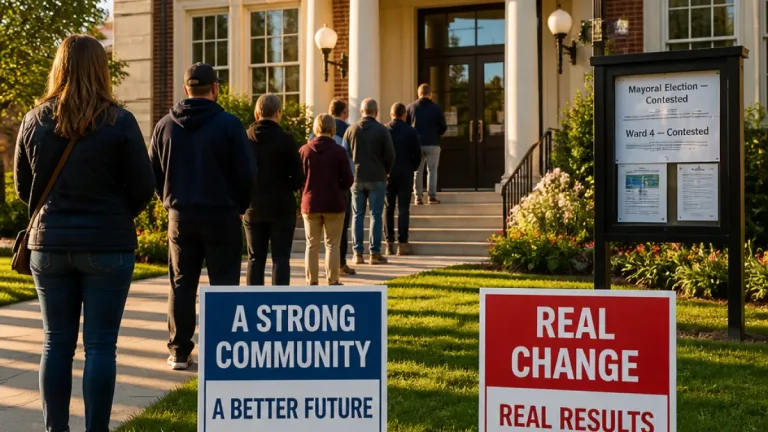
Port Coquitlam voters were offered a narrow window into candidate views this week after a local news outlet invited contenders to answer questions on jobs, artificial intelligence data centres, climate policy and watershed protection. Of five candidates contacted, only two returned responses by the publication's deadline; one could not be reached and others did not reply in time.
The most substantive answers came from Mike Farnworth, the incumbent BC NDP candidate, who anchored his responses in both local ties and party policy. Farnworth stressed his long connection to the riding and framed his job‑creation plan around trade, small business relief and supports for young workers. On environmental and infrastructure issues — notably the emergence of AI data centres — he said public protection of water and power supply must guide any decisions.
"I was raised in Port Coquitlam and have called this community home since 1969," Farnworth wrote, adding that his personal ties to local parks and trails inform his views.
Key themes from the answered questionnaire
- Local experience: Farnworth emphasised his long residence in the community and personal connection to local natural spaces.
- Jobs and small businesses: He outlined partnering with the federal government to open markets, offering targeted relief for businesses affected by U.S. tariffs and proposing a hiring incentive credit for employers taking on young workers.
- Limits on AI data centres: Farnworth pointed to recent provincial legislation setting limits on power available to data centres and said the NDP would add strict water‑efficiency standards, public reporting of water use, and mandatory local engagement on drought and conservation planning.
- Climate and biodiversity: He described provincial progress on emissions intensity and methane reductions, and proposed a Clean Futures Fund to direct oil and gas revenue toward climate action programs, starting with an initial investment the party has proposed.
The questionnaire responses provide a snapshot rather than a full debate. The local outlet reported it had been unable to contact independent candidate Lee‑Ann Bates, and that only two of five candidates responded within the five‑day window allotted for replies. The names of the full candidate list were published separately by other outlets for the riding.
What Farnworth said on specific items
On job creation, Farnworth tied provincial action to federal co‑operation: opening new markets and supporting trade, relief for firms hit by tariffs, and incentives for hiring young people. He positioned these measures as the route to more "good jobs" in the riding.
On AI data centres, Farnworth referenced legislation passed the previous fall that imposes limits on the amount of power data centres can draw, with the stated goal of protecting the power grid and furthering climate objectives. He said the NDP would complement that with mandatory water‑use standards, public reporting and stronger community engagement around conservation and drought planning.
Addressing climate change and biodiversity, Farnworth pointed to reductions in emissions intensity and methane under the NDP's record. He summarised a proposed Clean Futures Fund that would channel some provincial revenue from oil and gas into programs to help families and businesses adopt cleaner energy and to generate employment, mentioning an initial funding amount the party has proposed.
| Item | Status in Q&A |
|---|---|
| Number of candidates contacted | 5 |
| Responses received | 2 (by deadline) |
| Independent candidate unreachable | Lee‑Ann Bates |
What this means for Port Coquitlam voters
With the province on an accelerated electoral timetable after a snap election call, opportunities for extended local engagement have been compressed. For Port Coquitlam residents seeking direct comparisons among all candidates, the limited response rate from the questionnaire underlines a narrower set of publicly available positions ahead of the vote.
Farnworth's answers emphasise continuity with provincial NDP priorities—job supports linked to trade and targeted incentives, regulatory guardrails for new large electricity users, and directed climate financing. Voters wanting fuller comparisons will need to look to debates, campaign events and other candidate communications, since this particular questionnaire produced only partial participation.
The local conversation in Port Coquitlam will centre on how candidates balance growth and industrial change with protection of water, parks and neighbourhoods, alongside practical measures to help small businesses and young workers. As more material becomes public, residents will have a clearer sense of which platforms align with their priorities.
Coverage of candidate positions will continue as additional responses and campaign announcements are released.