Mandate at city hall, limits at the provincial table
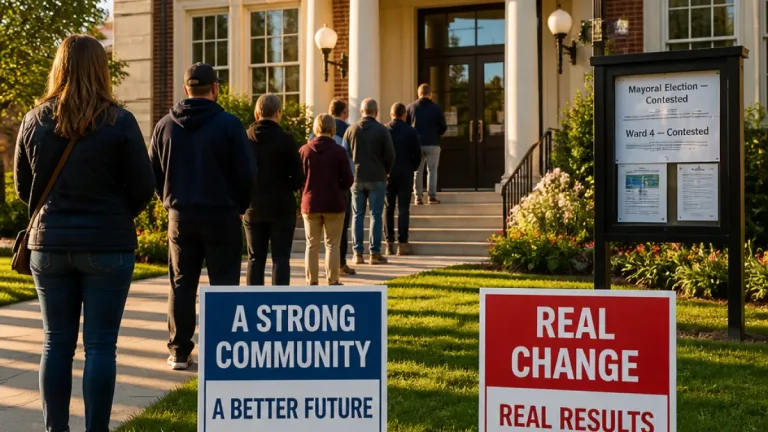
Doug McCallum’s election to a fifth term as Surrey mayor, coupled with the Safe Surrey Coalition’s capture of seven of eight councillor seats, hands the new council a broad mandate to pursue its platform. Yet several of the coalition’s highest-profile promises rely on decisions and funding outside municipal control, placing the incoming council squarely between voter expectations and fiscal reality.
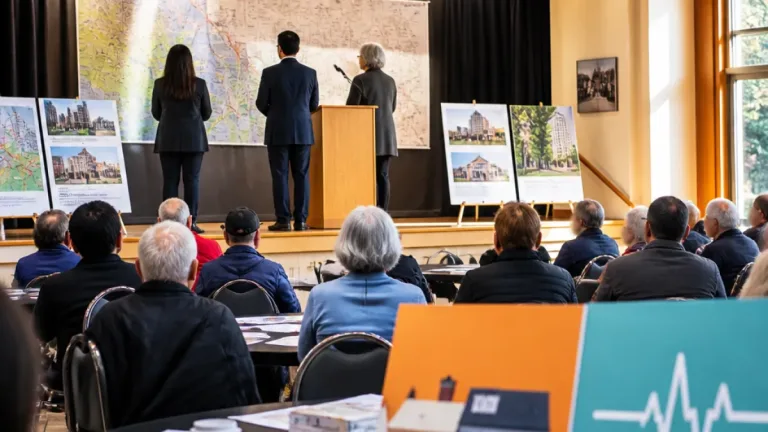
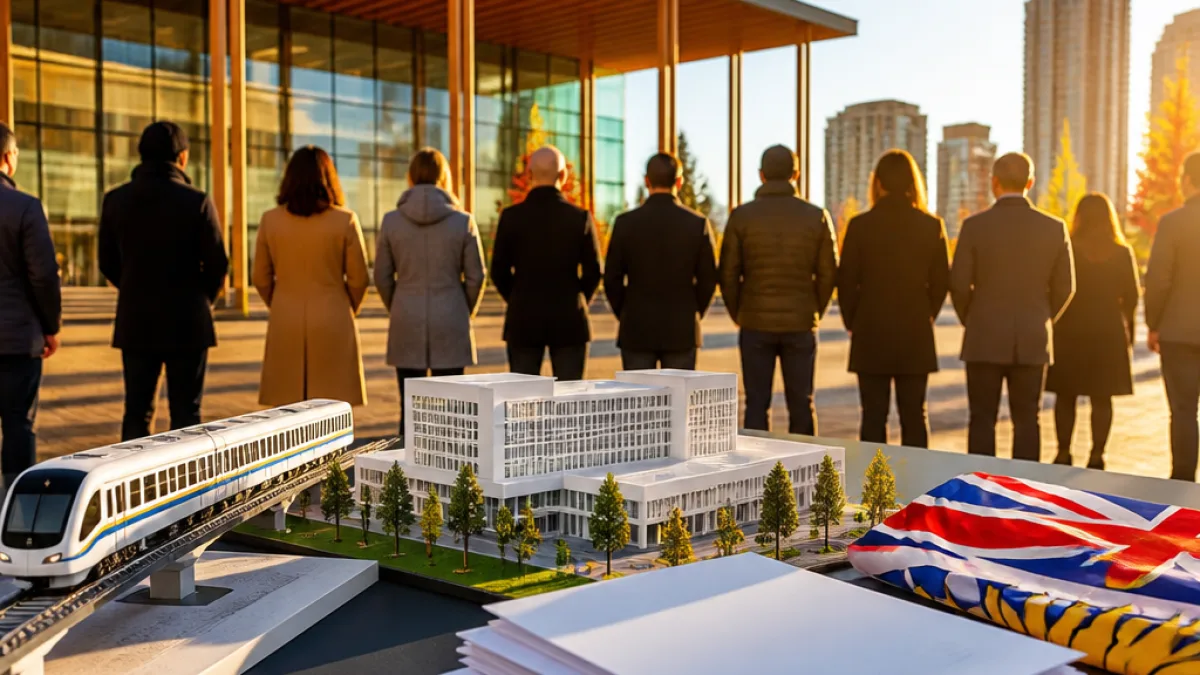
The coalition campaigned on a slate of high-profile items, including bringing SkyTrain to Newton and building a new general hospital along King George Boulevard. Both initiatives would be subject to provincial approval and funding decisions. The province, moreover, is contending with what the coalition materials called an unprecedented deficit, limiting its near-term capacity to underwrite major capital projects.
City powers, municipal promises
Not all of the platform’s measures require provincial dollars. The Safe Surrey Coalition pledged a four-year freeze on property taxes and a program to waive business licence fees for the first two years of new enterprises. Those are squarely within municipal jurisdiction — but they come with trade-offs.
- Municipal revenue from property taxes supports local services such as fire, parks, libraries, road maintenance and waste collection.
- The city already advertises having one of the lowest property tax rates in Metro Vancouver.
- Freezing tax revenue amid rising inflation could force budget reductions or service changes unless alternate revenue sources are found.
City hall collects only a portion of the overall property tax bill. The remainder is remitted to other public authorities, including the provincial government and regional bodies. That fragmentation constrains how much fiscal flexibility a municipal freeze can deliver without affecting day-to-day services.
| Authority | Role (as cited in coalition materials) |
|---|---|
| Province of British Columbia | Approves and funds major capital projects like hospitals and regional transit extensions |
| Metro Vancouver | Regional services and levies funded through property taxation |
| TransLink | Regional transit planning and financing |
| Police services | Receive a portion of municipal property tax revenues |
Public safety and permits: quick wins or costly promises?
Other campaign commitments fall within the city’s operational ambit but carry immediate cost or implementation challenges. The Safe Surrey Coalition pledged to expand policing, securing a helicopter and drone fleet within 90 days for the Surrey Police Service. Rapid procurement of aviation assets and associated operational expenses — pilots, maintenance, fuel, insurance — will require line-item budget adjustments.
The coalition also promised to streamline development by approving all residential building permits within 60 days, and waiving fees if the city misses that target. Surrey is already grappling with a surplus of unsold condominiums in parts of the city, which has prompted questions about whether speeding approvals alone will reduce local housing costs.
Where the power rests — and where it does not
With a dominant council majority, the new administration will face fewer obstacles passing municipal bylaws and budgets. But the most eye-catching infrastructure promises hinge on the province’s willingness to allocate scarce capital. That creates a two-track reality for residents: municipal policy can change quickly when council agrees, but transformative projects depend on intergovernmental cooperation and funding.
Surrey residents can expect the new council to move swiftly on measures it can unilaterally implement, while lobbying the provincial government for larger projects. How those efforts balance fiscal prudence and the delivery of services will determine whether campaign pledges translate into sustainable policy or short-term headline-grabbing initiatives.