Tesla has confirmed plans to establish what it calls Western Canada’s first factory-owned and operated Tesla Collision Center in Port Coquitlam, a move that will affect vehicle repair capacity and job opportunities across the Tri-Cities, including neighbouring Coquitlam.
Manufacturer-run repairs arrive in the region
The announcement was shared on LinkedIn by Rishi Bakshi, Tesla’s new B.C. Collision Manager, who said he is leading the launch of the facility and assembling its founding team. In his post Bakshi noted the company is recruiting for a range of roles in Port Coquitlam, from apprentice to journeyperson collision body technicians, as well as paint preppers and detailers.
“Western Canada’s very first factory-owned and operated Tesla Collision Center,”
Bakshi also pointed applicants to open listings on Tesla’s Careers website and said new hires would receive repair training directly from the manufacturer, including instruction on working with aluminium and structural components.
What the centre means for Coquitlam and nearby repair shops
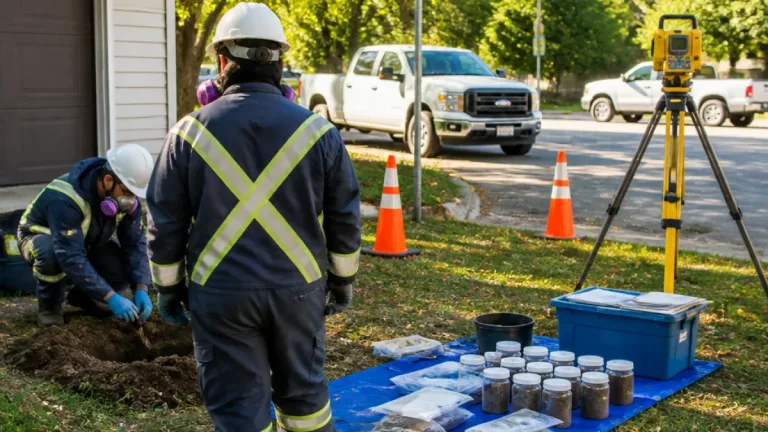
Tesla’s factory-run approach means the automaker will be able to handle everything from cosmetic fixes to full structural repairs in-house, according to the company’s collision support materials. For Coquitlam residents who own Teslas, that could translate into another option for collision work beyond independent shops.
Some Coquitlam-area repairers already participate in Tesla’s approved-collision-centre network. The source material notes AutoMind in Coquitlam is part of that programme, where independently owned shops receive Tesla training and tooling but operate under local ownership. A factory-owned facility could shift some repair volume to Tesla’s direct operations, while local shops may continue to serve customers under the approved network model.
- Roles being recruited: Collision technicians (apprentice to journeyperson), paint preppers, detailers.
- Training: Manufacturer-provided courses, including aluminum and structural repair techniques.
- Scope: Cosmetic repairs to full structural restoration, per Tesla’s collision centre description.
Positioning in Canada and local context
Port Coquitlam would be Tesla’s third factory-owned collision centre in Canada. The automaker opened a dedicated Collision Center in Oakville, Ontario, in 2022, and another in Montreal in 2023. Tesla also opened a 60,000-square-foot Service and Delivery Center in Port Coquitlam last year, underscoring the company’s expanding presence in the region.
| Location | Type | Year opened/announced |
|---|---|---|
| Oakville, Ontario | Factory-owned Tesla Collision Center | 2022 |
| Montreal, Quebec | Factory-owned Tesla Collision Center | 2023 |
| Port Coquitlam, B.C. | Planned factory-owned Tesla Collision Center | Announced |
Tesla has not yet disclosed a precise opening date for the Port Coquitlam collision centre, nor the exact site within the city. The firm is actively hiring and assembling the team that will run the facility.
Local implications and unanswered questions
For Coquitlam drivers, especially owners of electric vehicles, the new centre could provide quicker access to manufacturer-level repair expertise and tooling. For independent shops in Coquitlam that are part of Tesla’s approved network, like AutoMind, the arrival of a factory-run facility raises questions about how repair volumes, supplier relationships and pricing dynamics might evolve.
The announcement also highlights the broader trend of automakers moving beyond sales and service into direct repair operations for EVs, a shift that carries implications for technician training and local labour markets. Tesla’s recruitment drive signals potential new employment opportunities in the Tri-Cities, while leaving open how the mix of independent and factory-run repairs will settle over time.
City residents and local shops seeking specifics — including the centre’s exact location, opening timeline and the size of Tesla’s planned investment — will need to wait for further details from the company. In the meantime, the automaker’s move cements the Lower Mainland’s role as a growing hub for EV services and infrastructure.
Reporting from the West Coast where growth, environment and community intersect.