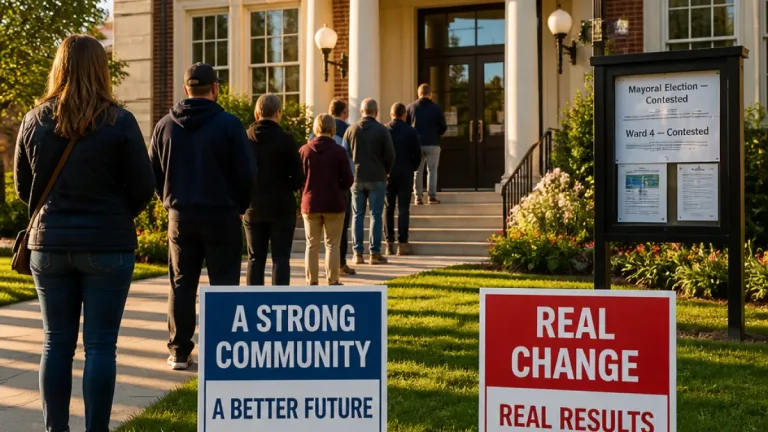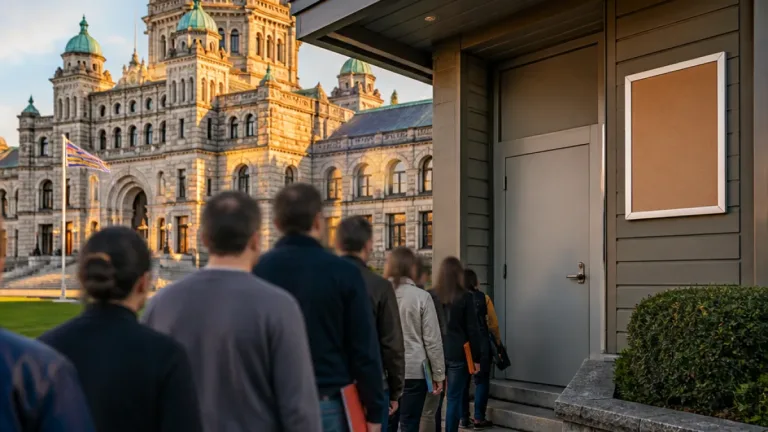

New Westminster voters delivered a historic result for Queensborough on Oct. 17, electing their first-known resident to city council in 139 years and sending a second Queensborough candidate to the board of education.
Queensborough at the table
Ken Armstrong topped the city council ballot, receiving the most votes of any council candidate in the civic election and becoming, according to campaign and community accounts, the first resident of Queensborough to have served on New Westminster council in 139 years. Armstrong described the win as "overwhelming" and said he felt supported by the whole city.
“It’s overwhelming. I’m really grateful to have the support of the entire city behind me. Knowing I’ll be the first councillor from Queensborough, and yet the whole city voted for me, I will represent the entire city and hope they know that I know that I’ve got their backs too. It’s just amazing.”
Also victorious was Don Doyle, a first-time candidate and Queensborough resident who will serve on the New Westminster board of education. Doyle has been active locally as chair of the parent advisory council at Queensborough Middle School.
Shift in council and school board majorities
The New Westminster Progressives captured the mayor’s office and secured the bulk of elected positions: five of six city council seats and six of seven seats on the board of education, according to preliminary results. That outcome ends the longstanding majority held by candidates endorsed by labour in previous council compositions.
Both winners framed their victories as giving Queensborough stronger influence over city and school decisions. "It means Queensborough has representation on school board and council," Doyle said. "With the NWP holding both majorities, we can work together and make a better Queensborough, for the schools, for the students, for the community."
What the numbers say
Voter activity in Queensborough demonstrated local engagement at polling places. Preliminary figures show the Queen Elizabeth Elementary School polling station recorded 1,916 ballots cast on election day — the second-highest turnout among city polling stations — while the centrally located təməsew̓txʷ Aquatic and Community Centre saw 2,315 votes.
| Polling station | Votes (preliminary) |
|---|---|
| təməsew̓txʷ Aquatic and Community Centre | 2,315 |
| Queen Elizabeth Elementary School (Queensborough) | 1,916 |
Local context and implications
Queensborough sits at the eastern tip of Lulu Island in the Fraser River and is separated from New Westminster’s mainland by the Queensborough Bridge. At the time of the 2021 census the neighbourhood had a population of 8,144. The neighbourhood has long advocated for greater attention to local priorities — from traffic and flood mitigation to schools and social services — and residents framed these election results as a step toward getting closer to decisions affecting their daily lives.
With the New Westminster Progressives holding commanding majorities on both council and the board of education, the city faces a period of opportunity and scrutiny. Progressives campaigned on a slate of priorities that resonated with a plurality of voters, and with Queensborough represented at the highest levels of local governance the neighbourhood can push more directly for targeted investments and policy changes.
- Representation: Queensborough now has a resident on council for the first time in recorded memory, and a resident on the school board.
- Political shift: The New Westminster Progressives gained the mayoralty and majorities on council and school board, altering the balance that had favoured labour-endorsed candidates.
- Voter engagement: Queensborough polling places had among the highest turnout numbers in the city on election day.
Local advocates say tangible outcomes will be the true test of the change: whether infrastructure, school supports and community priorities see concrete attention in upcoming council and board decisions. The election results provide Queensborough with both a louder voice and a political partnership positioned to advance neighbourhood concerns.
As the new council and board prepare to convene, residents will be watching how quickly campaign commitments translate into budgets, policies and on-the-ground action — especially in a community that has long sought to move from the margins into the centre of municipal decision-making.