From plans to pavement: visible change across Milton
Milton is entering a phase many residents have been watching unfold on front lawns and construction sites: proposals and policy documents adopted over the past year are now translating into new homes and street-level projects. Town planner Cassandra LaFayette told the Independent the work currently under way is the product of long-term choices about where growth should happen — and where it should not.
“Milton will always be Milton, but residents are right: growth does mean change,” LaFayette said in an interview. She emphasised that much of what people see now did not start this summer but follows years of groundwork to guide development.
New neighbourhoods taking shape
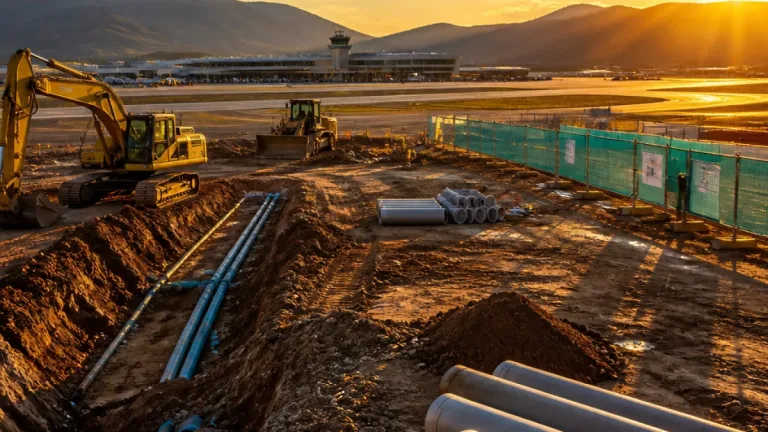
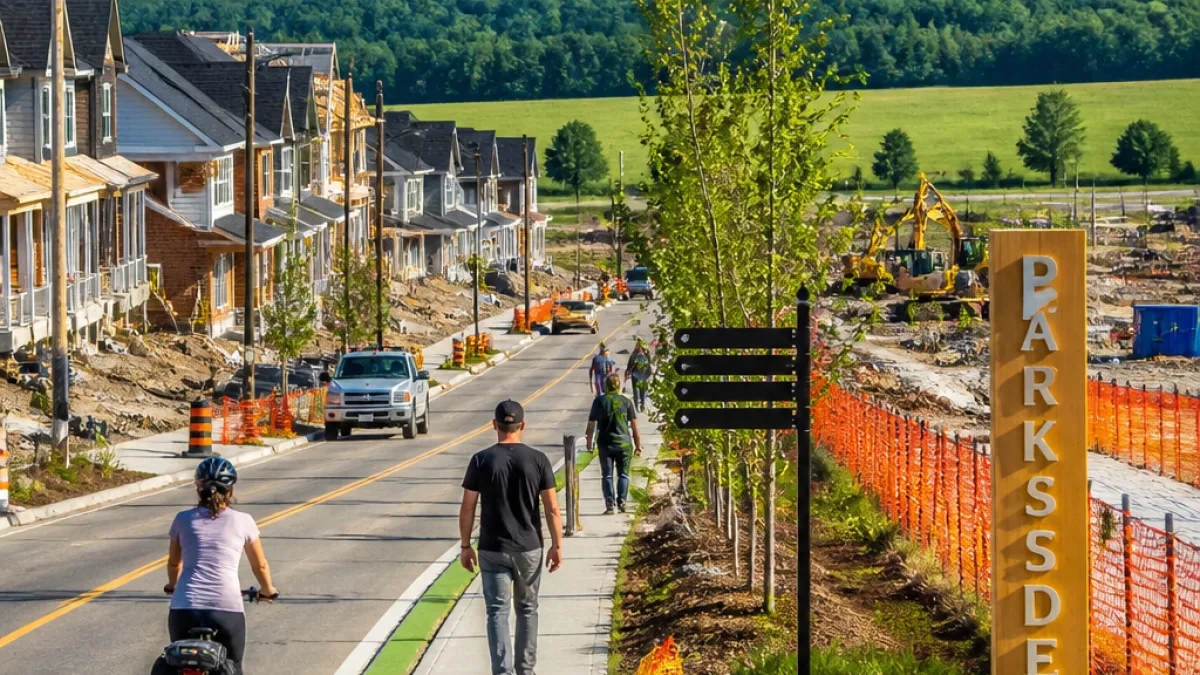
One of the most tangible signs of that shift is Parkside, an 85-home subdivision being built near Bombardier Park and the Don Turner Jr. Public Works Facility. The nearly 27-acre site is planned to include a mix of housing types —
- 41 single-family homes,
- 22 duplex buildings,
- and additional open space adjacent to existing municipal facilities.
Nearby Dogwood Circle is another location where housing construction continues, part of an area of town that has seen significant recent investment. These projects arrive as local planners and regional partners respond to broader targets for new housing in the county.
“These housing developments aren’t ‘just happening.’ The Town has been laying the groundwork for decades.”
That emphasis on advance planning informs how officials say they are balancing growth pressures with a desire to retain elements of Milton’s rural character.
From planning documents to on-the-ground projects
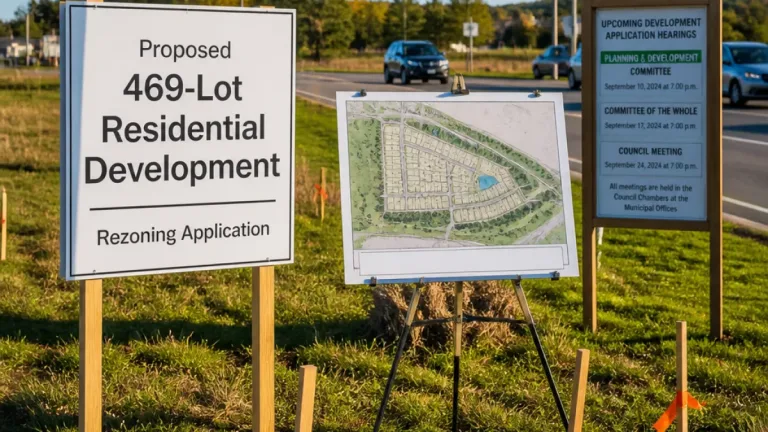
Recent planning approvals and the rollout of the Hourglass Project mark a transition from setting policy to delivering built outcomes, LaFayette said. The town’s current task, she added, is to move beyond study and into implementation: creating actual streetscapes, trail connections and neighbourhoods people can use.
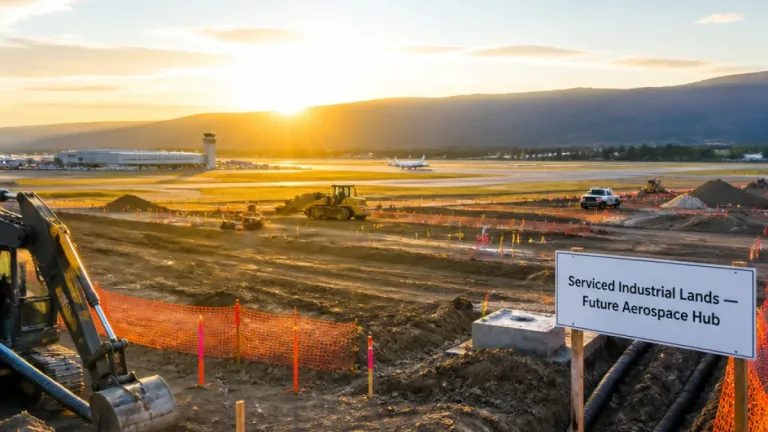
Key themes in adopted plans include better walking and cycling connections, a more active downtown and directing housing and economic growth to selected parts of town. For residents, the result is both more homes and a changing streetscape where construction is concentrated.
Local consequences and trade-offs
Residents who watch Milton evolve are likely to notice several immediate consequences:
- Increased construction activity along arterial routes and neighbourhood edges;
- Greater housing variety in new subdivisions, including single-family homes and duplexes;
- Planned investments in walking and biking infrastructure intended to make new and existing areas more connected.
Those outcomes reflect municipal choices about concentrating growth. The town’s approach seeks to direct development to specific areas rather than allowing unchecked sprawl across the entire municipal footprint. That strategy is framed as a way to preserve rural landscapes and agricultural land by focusing density where services already exist or can be provided efficiently.
What comes next for Milton residents
As the town moves from plans to construction, residents can expect an uptick in site activity, changes to traffic patterns near building zones and opportunities for public input on implementation details such as trail routing, streetscape design and how new neighbourhoods connect to downtown.
For municipal leaders the challenge will be to deliver the promised infrastructure and amenities while maintaining the character many residents value. For homeowners and prospective buyers, the shift signals more housing choices in the near term and a continuing period of change in the town’s built environment.
| Project | Size / units |
|---|---|
| Parkside | ~27 acres, 85 homes (41 single-family, 22 duplex buildings) |
| Dogwood Circle | Active residential construction (details ongoing) |
The short-term focus is clear: move from decades of planning to executing projects on the ground while keeping an eye on walkability, economic growth and the rural features that define Milton for many residents.