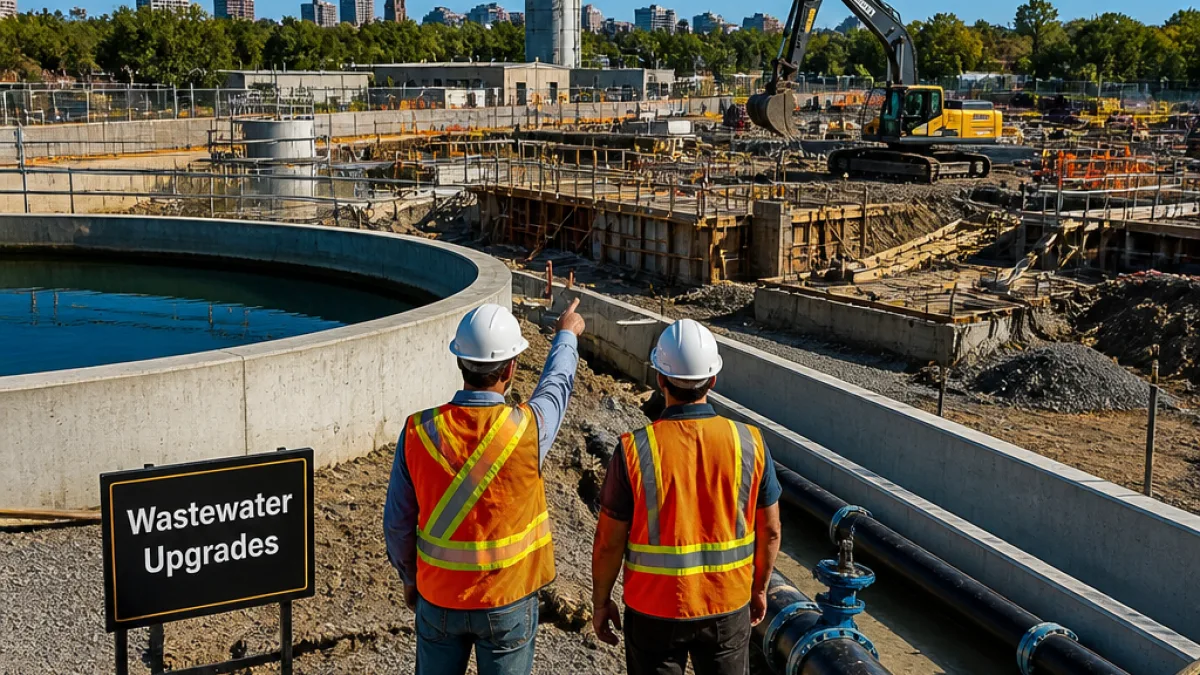
The federal government is contributing $33.4 million toward upgrades and expansion of Guelph’s wastewater treatment centre, funding the critical utility work city staff say is needed to allow substantial new housing development through the end of the decade.
Infrastructure tied to housing growth
Member of Parliament Dominique O’Rourke announced the funding on Tuesday, saying the upgrades will permit the construction of roughly 4,400 housing units across Guelph by 2031. The federal share is part of a larger project estimated to cost $83.7 million, with the City of Guelph responsible for about $52 million of the total.
City officials have identified sewer and water capacity as a gating factor for new developments. Under the provincial Places to Grow framework, Guelph must plan for significant population gains — the city is expected to plan to accommodate about 208,000 residents by 2051 — which municipal planners say requires both capital upgrades and operational resilience.
Local effects and fiscal implications
Municipal leaders and the MP framed the federal grant as a way to reduce immediate pressure on the city’s tax base. O’Rourke told media the investment eases the burden that otherwise might fall to property taxpayers, provincial grants or user fees.
“For a city to grow and for it to increase the amount of housing, it absolutely needs water and sewer capacity. So this $33.4 million investment allows Guelph to grow, allows it to be more resilient to climate change and allows it to improve its infrastructure,”
The city’s estimated contribution of roughly $52 million — part of the project’s remaining cost — will have to be covered through municipal funding mechanisms. City council will decide how to allocate that share among options such as capital reserves, user-rate adjustments or borrowing tied to long-term utility revenues.
What the upgrades will mean on the ground
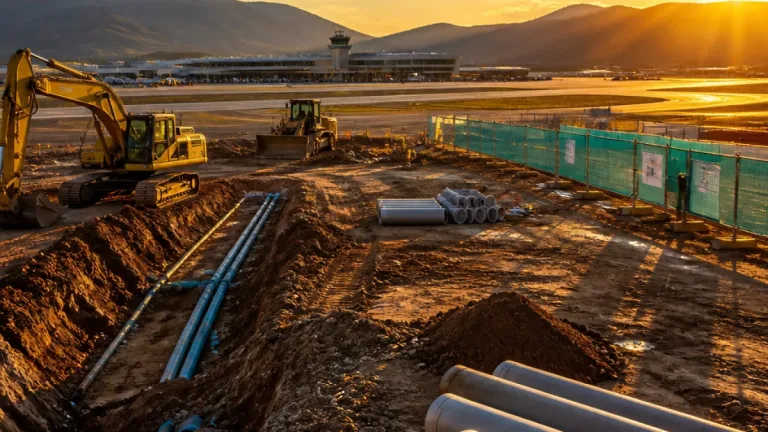
Officials say expanding the wastewater treatment centre will provide the treatment capacity and system reliability developers need before building begins. That is especially important for neighbourhoods targeted for intensification and for multi-unit developments that rely on confirmed servicing allocations.
While the federal announcement does not itself change local planning policy, having treatment capacity in place removes a key infrastructure barrier and could speed approvals and servicing agreements for projects already in the municipal pipeline.
- Federal contribution: $33.4 million
- Estimated total project cost: $83.7 million
- City of Guelph contribution (approx.): $52 million
- Projected housing capacity unlocked: 4,400 units by 2031
Funding breakdown
| Source | Amount |
|---|---|
| Federal (announced) | $33.4 million |
| City of Guelph (estimated) | $52 million |
| Total project cost | $83.7 million |
City staff will provide council with project timelines, procurement plans and any required bylaw changes as the work moves from design to construction. The upgrades are expected to address not only capacity but also climate resilience measures, according to the MP’s comments at the announcement.
For residents, the most tangible outcomes will be the potential for more housing options and, over time, the distribution of project costs through rates or municipal budgets. For developers, the expanded treatment capacity removes a key legal and technical constraint on issuing servicing allocations and building permits.
As Guelph prepares to host long-term population growth under provincial directives, investments in water and wastewater infrastructure are becoming central to how the city balances intensification, fiscal stability and environmental resilience.