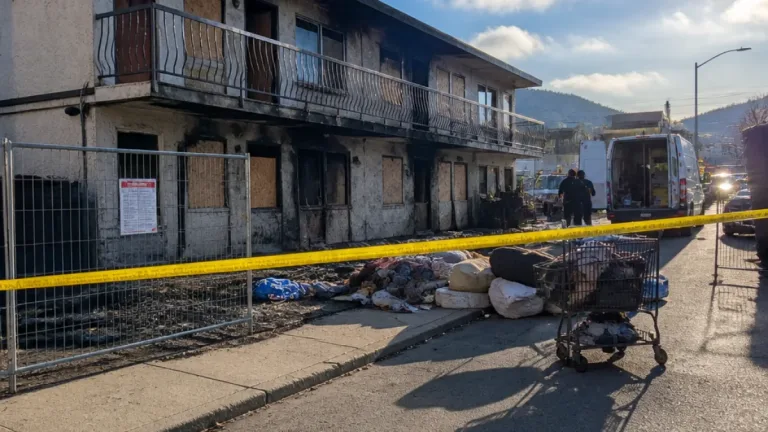
Windsor builders and neighbours are calling for stronger local measures after a student housing project near the University of Windsor was targeted by vandals and copper wire thieves on four occasions this summer.
Repeated strikes at Bridge Avenue project
The developer, Allen Wu, says the paired three-storey student homes on Bridge Avenue — each with eight bedrooms and part of a roughly $1.6-million investment — have been hit by thieves and vandals four times so far this summer. Damage to electrical cables has been documented on the site.
Wu told CBC Windsor he felt naive about the level of crime that can occur at construction sites and expressed frustration with what he sees as insufficient supports to protect new housing developments.
“It is very surprising. We know the government, they [are] encouraging everybody to build a house, because we have a housing shortage in Canada, right? But they're not putting anything to support us,”
He called for increased overnight patrols and more proactive measures to deter thefts that can cause costly repairs and delays to projects aimed at relieving the city’s housing shortage.
Local impact and broader questions
The incidents raise two immediate concerns for Windsor residents: the safety and security of neighbourhoods close to the university, and the larger effect on housing supply. The project on Bridge Avenue is intended to add rental stock for students — a cohort that already strains housing in university-adjacent neighbourhoods each academic year.
When building materials and copper cabling are stolen, developers face direct replacement costs and delays while sites are made safe and electrical systems restored. For small developers like Wu and his partners, recurring thefts can threaten the financial viability of modest projects that the city needs to meet demand.
- Frequency: Four theft/vandalism incidents reported at the site this summer.
- Project size: Two three-storey homes, each with eight bedrooms.
- Investment: Approximately $1.6 million in total.
| Item | Detail |
|---|---|
| Incidents | 4 (this summer) |
| Buildings | 2 three-storey homes |
| Bedrooms | 8 per home |
| Estimated investment | $1.6 million |
What builders and residents want
Wu said he realises government cannot remove all risk, but he urged at minimum an increase in nighttime visible policing or neighbourhood patrols around active construction sites. He argued that if officials are encouraging construction to address housing shortages, there should be practical protections for those making the investments.
Local residents who live near construction sites often share concerns about after-hours activity, trespassing and the potential for disorder if sites are not secured. For student neighbourhoods, repeated incidents can also erode a sense of safety for renters and homeowners alike.
Possible responses raised by community stakeholders and seen in other municipalities include:
- increased police foot and vehicle patrols in construction-heavy districts;
- mandated security measures for certain projects, such as fencing, lighting and alarm systems;
- targeted enforcement and monitoring of scrap-metal dealers to disrupt demand for stolen copper;
- better coordination between builders, neighbourhood associations and municipal officials on rapid reporting and prevention.
Next steps and public expectations
At this stage, the developer’s comments serve as a call to action rather than a formal demand with specific municipal responses attached. City staff, police and councillors will likely be asked in the coming weeks to respond to concerns about construction-site crime, as Windsor continues to balance safety, neighbourhood livability and efforts to expand housing supply.
For smaller builders, the calculus is immediate: repeated losses and delays reduce the incentive to invest in modest rental projects that serve students and other local renters. For neighbours and the broader public, preventing theft and vandalism relates not only to property loss but to the long-term availability of rental housing in central Windsor.
As the university term approaches, attention on student housing and the security of work sites is likely to intensify, with residents and developers watching for any municipal or policing actions that might prevent further incidents.