
The Manitoba government and the Manitoba Métis Federation (MMF) have finalized a bilateral housing agreement that will direct $18 million toward the development of affordable housing for Métis elders and families across the province over the next five years.
Funding split and goals
Officials say the arrangement, announced at the MMF annual general assembly, is split evenly between the province and the MMF — $9 million from Manitoba and $9 million from the MMF — and is expected to support the construction of more than 70 homes for Métis people, including elders and families.
| Item | Amount |
|---|---|
| Total funding | $18 million |
| Manitoba government | $9 million |
| Manitoba Métis Federation | $9 million |
| Targeted housing | More than 70 homes for Métis elders and families |
Government and MMF statements
Premier Wab Kinew framed the agreement as part of his government’s broader effort to reduce costs for families and expand affordable housing supply.
“Building more affordable housing is part of our government’s commitment to lowering costs for families,” said Kinew.
Bernadette Smith, Manitoba’s minister responsible for Housing, Addictions and Homelessness, characterised the funding as evidence of the province’s commitment to Métis-led solutions to housing and homelessness.
Peter Fleming, the MMF minister of housing, said the investment will allow the MMF — which the MMF describes as the national government of the Red River Métis — to continue leading efforts to address affordability for Red River Métis citizens.
“Through this partnership with the Manitoba government, the MMF — national government of the Red River Métis — will continue to be the leader in addressing affordability for our Red River Métis citizens,” Fleming said.
Scope and local impact
The funding will back the Red River Métis Housing Strategy, a targeted initiative aimed at tackling chronic homelessness among Métis people and increasing the supply of affordable, culturally appropriate housing options. Province and MMF officials say projects supported by the agreement will be distributed across Manitoba, with a focus on elders and families.
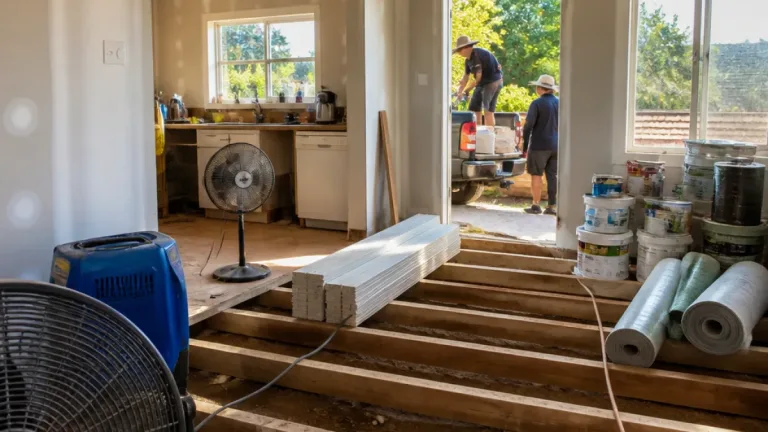
Beyond providing roofs, the announcement emphasises job creation in the construction and building maintenance sectors tied to the housing projects. Officials noted that the investments are intended to stimulate local employment as units are built and maintained, although specific job numbers were not provided.
What the agreement means for communities
Housing shortages and affordability have been persistent challenges across Manitoba, particularly for Indigenous communities. Advocates and leaders often stress that culturally appropriate housing, designed and delivered by Indigenous organisations, can improve outcomes for residents by aligning with community needs and supports.
- Funding is equally shared: $9M provincial and $9M from the MMF.
- Planned output: more than 70 affordable homes over five years.
- Primary beneficiaries: Métis elders and families across Manitoba.
Officials say details on the locations, timelines and specific project partners will be developed through the Red River Métis Housing Strategy and partner consultations. The agreement is positioned as a continuation of ongoing collaboration between the province and the MMF on affordability issues.
Looking ahead
With this funding in place, the MMF and Manitoba Housing and Renewal Corporation will move toward planning and implementing projects intended to reduce chronic homelessness and expand options for affordable rental and owned housing for Métis citizens. The announcement also adds to the provincial government’s broader housing agenda, which includes multiple streams of investment and partnership with Indigenous organisations.
Observers and community stakeholders will be watching for follow-up announcements that outline project locations, construction timelines, eligibility criteria for potential residents, and how the new units will be integrated with supports for elders and families.
The agreement signals a collaborative approach to housing that pairs provincial funds with Métis-led planning, with officials saying that model is central to addressing both immediate housing needs and longer-term community goals.