Fort Simpson is set to move away from diesel-generated electricity after Ottawa and the Northwest Territories Power Corporation (NTPC) announced funding for a new liquefied natural gas (LNG) power plant for the Liard River community.
Federal and NTPC funding confirmed
The federal government is contributing more than $31.3 million, matched with approximately $10.4 million from NTPC to build the facility. Construction is scheduled to begin in the spring, with completion expected in 2029–2030.
The new plant will generate roughly 90 per cent of Fort Simpson’s electricity with LNG, with the remaining 10 per cent produced by on-site diesel generators kept as backup. The decision follows concerns about flooding and erosion that affected the old plant.
Moving off the island for resilience
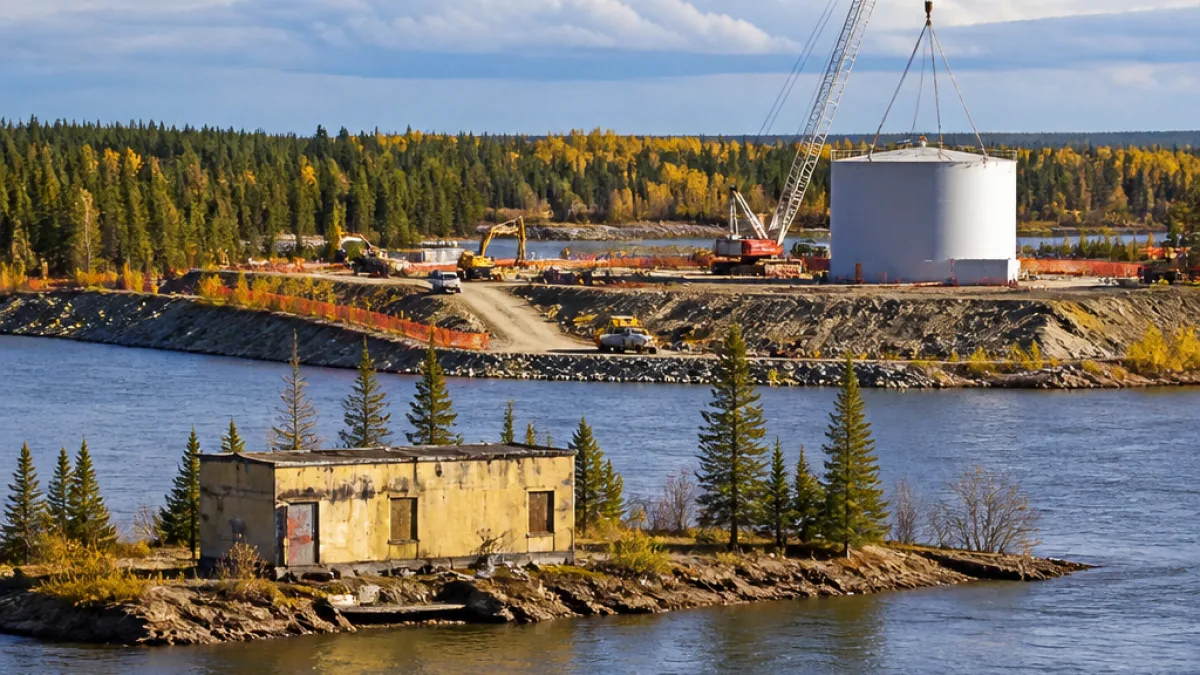
The existing power station, located on an island near the community, spent much of May 2021 underwater. That event raised questions about relying on the same location. NTPC has decided the replacement will be built off-island and include its own backup diesel units rather than depending on the exposed infrastructure that served the community previously.
"The initial main driver for the [liquefied natural gas] plant was emissions reduction," said Doug Prendergast, communications manager with NTPC.
Emissions and cost considerations
While LNG is still a fossil fuel, NTPC notes it releases fewer greenhouse gases than diesel. The utility also points to cost advantages based on operating experience elsewhere in the territory.
NTPC has operated an LNG plant in Inuvik since 2013. Based on that facility’s performance, the corporation expects a 10 to 15 per cent reduction in operating costs for Fort Simpson compared with continuing to rely on diesel generation.
Context: Northern infrastructure investments
The Fort Simpson project is part of a broader federal push to invest in Northern infrastructure. Ottawa has recently announced large transfers for projects such as the $405-million commitment toward the Mackenzie Valley Highway to improve Arctic connectivity.
- Funding: Federal $31.3M+, NTPC $10.4M approx.
- Fuel split: ~90% LNG, ~10% diesel backup
- Timeline: Construction starts spring; completion 2029–2030
- Site change: Off-island location to reduce flood and erosion risk
Local and practical impacts
For residents, the move should mean fewer greenhouse gas emissions from local power generation and potential downward pressure on electricity costs over time. Keeping on-site diesel generators as backup preserves a redundancy that is critical during northern winters and when supply chain disruptions affect fuel delivery.
Relocating the facility off the island responds directly to physical risks evident in 2021 flooding. That event underscored the vulnerability of riverine infrastructure to extreme water levels and erosion — concerns increasingly salient as the climate changes across the North.
What remains to be clarified
NTPC and federal representatives have provided the funding envelope and broad timetable, but detailed design, environmental assessment findings and permitting sequences were not released in the initial announcement. Community-level engagement and local hiring plans are also matters residents and leaders will want to follow as the project advances.
| Item | Figure / Detail |
|---|---|
| Federal contribution | $31.3 million+ |
| NTPC contribution | Approximately $10.4 million |
| Fuel mix | ~90% LNG, ~10% diesel |
| Construction window | Begin spring; complete 2029–2030 |
The shift to LNG in Fort Simpson echoes a cautious, pragmatic approach across the North: reduce emissions and long-term operating costs while retaining fuel diversity for reliability. For communities on the land, such infrastructure decisions intersect with climate impacts, supply logistics and the economics of powering remote places.
As construction approaches, WE NEWS will monitor project approvals, environmental reviews and NTPC’s plans for community consultation and workforce development in Fort Simpson.