
BLOEMFONTEIN — A Judicial Conduct Tribunal is examining the prolonged sick leave of Free State High Court Judge Lepono Lekale, who has been unable to perform judicial duties since June 2018 after an unexplained illness affecting his eyesight.
Tribunal convened after years of absence
The tribunal was appointed after the Free State Judge President, Cagney Musi, lodged a complaint of judicial incapacity on 31 January 2025. The complaint followed repeated medical certificates from Judge Lekale and prolonged periods away from the bench that left the Judge President concerned about judicial capacity and public confidence in the administration of justice.
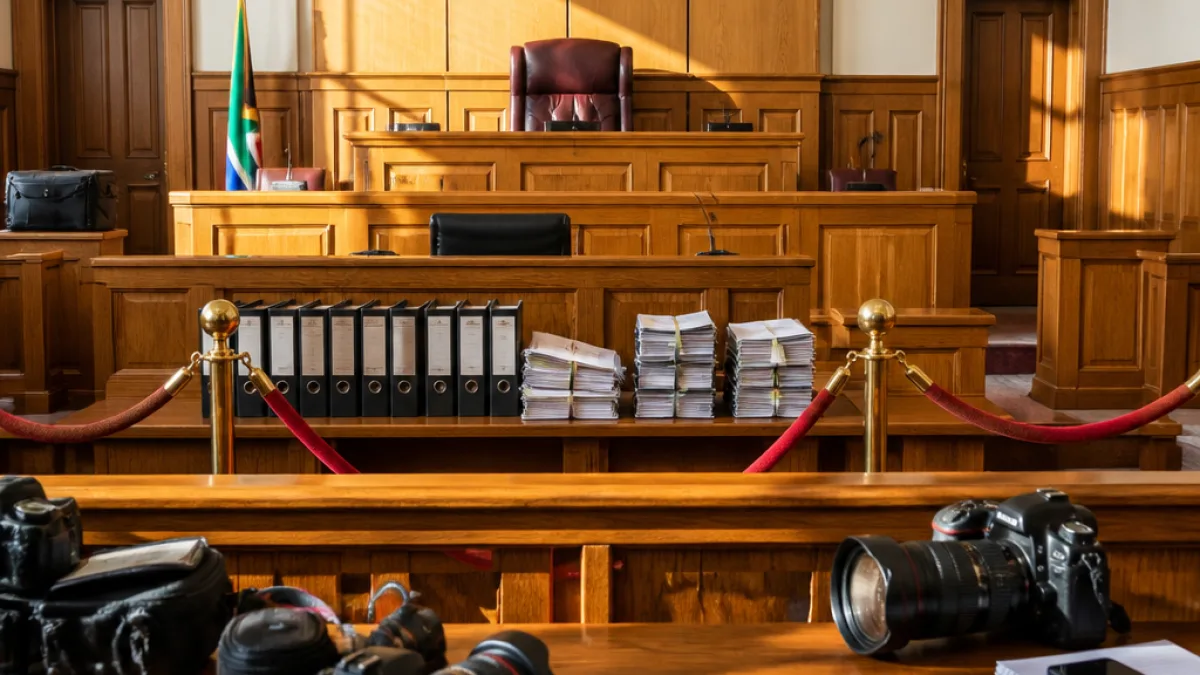
The hearing, which opened this year with a ruling on 22 July that proceedings would be open to the public and media, is chaired by retired Judge Xola Petse. The tribunal panel also includes retired Judge Irma Schoeman and non‑judicial member Advocate Lesego Montsho‑Moloisane SC.
What the tribunal has heard so far
At the opening session, Judge President Musi set out the facts of Judge Lekale’s absence: he actively served on the bench for about six years before becoming unwell in mid‑2018. Since then, Musi told the tribunal that Lekale continued to submit medical certificates indicating he was not fit to resume duties.
On the second day of proceedings, 23 July, Judge Lekale gave evidence in his own defence. He described his medical condition and repeated that he remains hopeful of regaining his eyesight. He also explained that advice from a traditional healer informed his decision not to seek early retirement, saying that the healer warned of permanent blindness should he proceed.
Concerns raised
Judge President Musi emphasised the effect of an eight‑year absence on the court’s functioning and public perception. Musi told the tribunal the extended leave had prompted him to seek guidance from the Chief Justice in 2023 about possible next steps, after five years of ongoing sick leave.
Following that consultation, the Chief Justice suggested Musi discuss the option of voluntary early retirement on health grounds with Judge Lekale. Musi did so; Judge Lekale asked for time to consider the suggestion and subsequently declined, citing the traditional healer’s advice.
Timeline
| Year / Date | Event |
|---|---|
| About six years before 2018 | Judge Lekale actively served on the Free State High Court |
| June 2018 | Judge Lekale became unwell; began prolonged sick leave |
| 2023 | Judge President sought guidance from the Chief Justice about the judge's continued absence |
| 31 January 2025 | Complaint of judicial incapacity filed by the Judge President |
| 22 July (this year) | Tribunal ruled proceedings would be open to the public and media |
| 23 July (this year) | Judge Lekale testified in his defence |
Legal and institutional context
The tribunal process is set out under judicial conduct and incapacity procedures designed to balance the rights of judicial office‑holders with the need to maintain the effective functioning of the courts. Where a judge cannot perform duties for health reasons, options include voluntary early retirement or a finding of incapacity following an inquiry.
In this case, the tribunal must determine whether Judge Lekale’s continued inability to sit requires action in the public interest. The proceedings so far show the judiciary attempting to resolve a long‑running personnel and administrative challenge without unduly infringing the rights and dignity of an individual judge.
Practical impact for litigants and the public
Extended absences by permanent members of the bench can slow case progress and increase delays, particularly in busy divisions. The Judge President’s approach — seeking guidance and then initiating a formal process — reflects a concern for continuity in court services as well as transparency, evidenced by the tribunal’s decision to allow public and media access.
- Transparency: Tribunal hearings are open to public and media observation.
- Remedies: Options include voluntary retirement or an incapacity finding after the inquiry.
- Implications: Potential reassignment of matters or temporary judicial appointments may follow depending on the tribunal’s outcome.
The tribunal continues its inquiry, hearing further evidence and submissions before reaching a finding. The outcome will be significant for the Free State High Court’s capacity and for how the judiciary manages prolonged health‑related absences in future.
Reporting is based on evidence presented at the Judicial Conduct Tribunal and statements made by Free State judicial leadership during the hearing.














