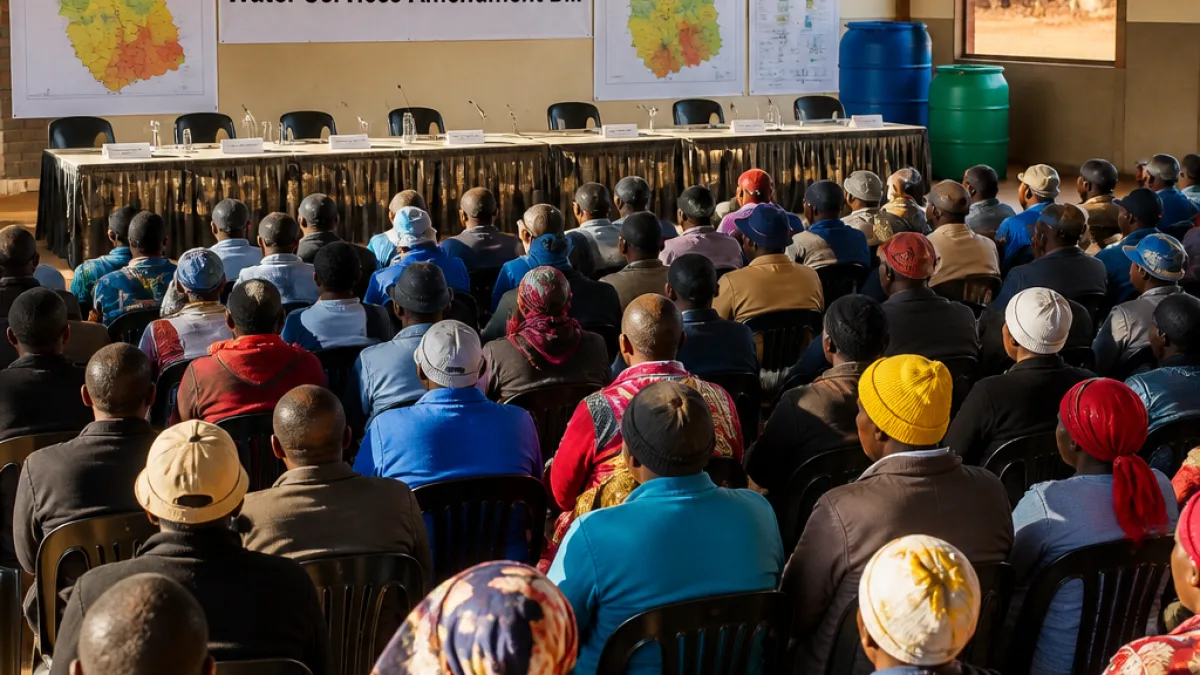
Parliament will hold public hearings in Limpopo Province this weekend on the Water Services Amendment Bill [B24-2025], giving communities and water-sector stakeholders an opportunity to comment on proposed changes aimed at improving the delivery, regulation and sustainability of water and sanitation services, the national legislature said on Thursday.
Why the hearings matter
The hearings form part of Parliament’s constitutional obligation under Section 59 to facilitate public participation in legislative processes, according to a media notice from the Portfolio Committee on Water and Sanitation released on 27 August 2026. The committee has already held similar sessions in Mpumalanga and the North West, where it reported receiving substantive input from members of the public and sector actors.
The Bill seeks to confront persistent problems in South Africa's water sector, including unreliable water and sanitation services, poor infrastructure maintenance, declining water quality and gaps in accountability and enforcement.
Key proposals in the Bill
Parliament’s summary of the Bill highlights a number of measures intended to strengthen governance, professional capacity and compliance. Among the proposed changes are:
- A mandatory licensing system for water service providers;
- Minimum competency standards for water services professionals;
- Clearer separation of roles between Water Services Authorities (municipalities) and Water Services Providers;
- Stronger penalties for non-compliance; and
- Enhanced enforcement powers for the Minister where persistent service-delivery failures occur.
| Issue | Proposed response |
|---|---|
| Inadequate service delivery | Ministerial enforcement powers and stiffer penalties |
| Skills shortages | Minimum competency requirements for practitioners |
| Poor governance | Clearer division between authorities and providers |
Committee chair stresses community input
Portfolio Committee Chairperson Leon Basson said the committee regards public participation as essential if the law is to respond to the realities experienced by households and towns.
“The lived realities revealed during the public hearings we have held thus far point to the need to directly address the daily challenges of inadequate water and sanitation services,” said Mr Basson, noting issues such as overreliance on water tankers, skills shortages to operate infrastructure and governance weaknesses at municipal level.
He added that contributions already received from the public and sector stakeholders had crystallised the need to amend the current legislation.
What listeners and participants should expect
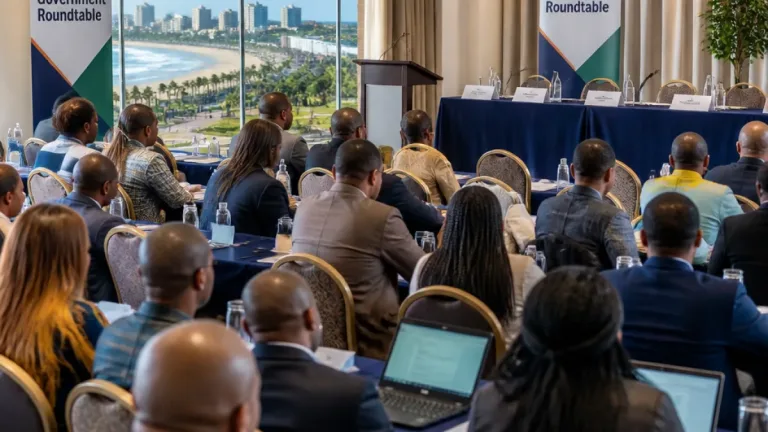
The committee’s hearings are intended to be an open forum where individuals, community organisations, municipal representatives and water-sector bodies can make oral or written submissions. While the parliamentary notice did not specify the exact venues in Limpopo, it confirmed the hearings will take place over the coming weekend as part of the committee’s ongoing consultation schedule.
Participants should be prepared to comment on both technical and governance aspects of the Bill, including how licensing, competency standards and enforcement mechanisms might affect local service delivery. The committee will also receive written submissions as part of its review process.
Context for Limpopo residents
Limpopo communities continue to face intermittent water supply and sanitation challenges in several municipalities. The committee’s proposal to move towards licensing and minimum competency aims to professionalise service provision and to make it easier to hold bodies to account when residents are left without reliable services. The introduction of stronger enforcement measures could give the national minister greater scope to intervene where municipalities repeatedly fail to deliver.
Parliament said the hearings in Limpopo follow those in Mpumalanga and North West, where the committee reported substantive public input. The committee will collate views from all provincial hearings before finalising its report to Parliament, which will inform any further drafting and decisions on the Bill.
The committee’s engagement is part of a broader national debate about how best to secure safe, reliable water and sanitation for all communities while addressing institutional weaknesses and capacity shortfalls across the sector.
Residents and organisations that wish to submit written comments should consult Parliament’s official channels for guidance on submission deadlines and the format required, the committee advised.
Reporting from Polokwane.