The Electoral Commission (IEC) has finalised the candidate and voter roll for the Western Cape ahead of the 4 November 2026 local government elections, confirming a large and diverse field: 14,349 people are standing for ward, mayoral or proportional representation positions across the province.
Scale of the contest
The IEC’s tally shows the contest will run across 416 wards within the Western Cape’s 25 municipalities. Of the total candidates, 9,847 are competing for ward seats while 4,502 are listed for 452 proportional-representation (PR) seats.
Political parties will be strongly represented: the IEC recorded 106 political parties participating in the province, along with 33 independent candidates. The candidate field comprises 8,780 men and 5,569 women, reflecting ongoing gender imbalances in local electoral contests.
“This shows South Africans want to actively participate in decisions that affect them. Meanwhile, the IEC will continue with its preparations to ensure that the elections are conducted in a free, fair and credible manner,” Western Cape Provincial Electoral Officer Michael Hendrickse said.
What the numbers mean for voters and municipalities
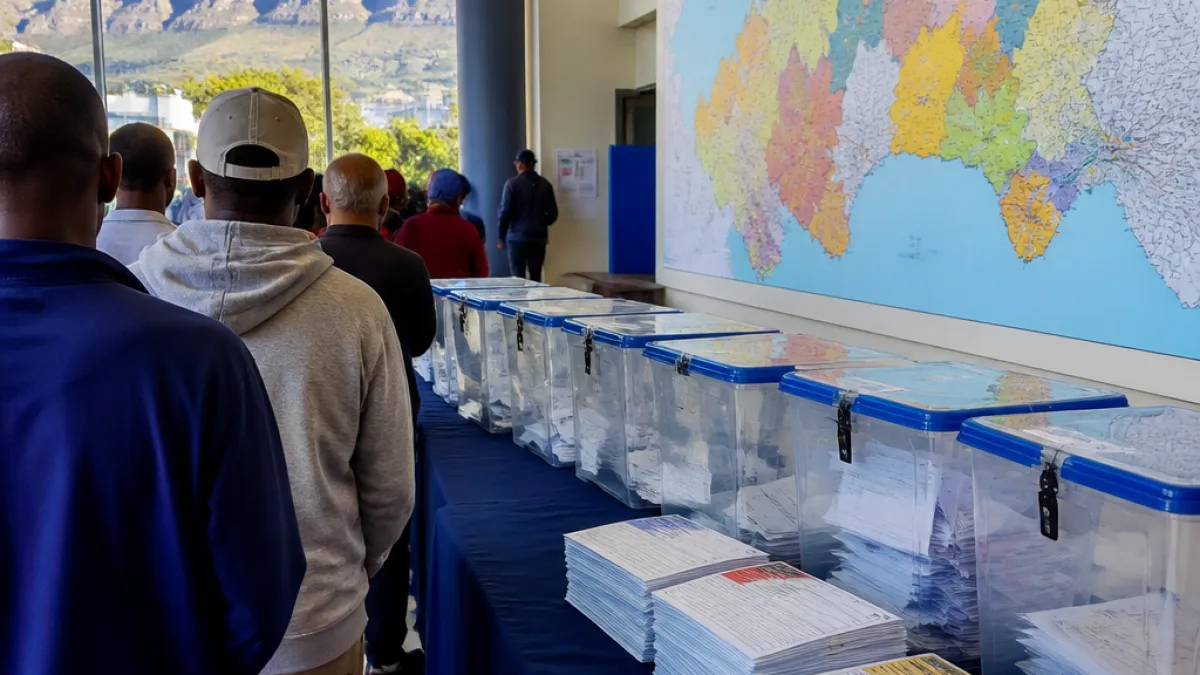
More than 3.45 million provincial residents have registered to vote: the IEC gave the figure as 3,456,345. That sizeable electorate means local contests, especially in closely fought wards, could determine control of councils and the selection of mayors in metros and local municipalities.
The breadth of parties and independents contesting wards suggests voters will have a wide range of choices on the ballot, with potential implications for coalition dynamics after votes are counted. High candidate numbers also increase the administrative complexity of ballot design, voter education and polling-station organisation.
Compliance and the nomination process
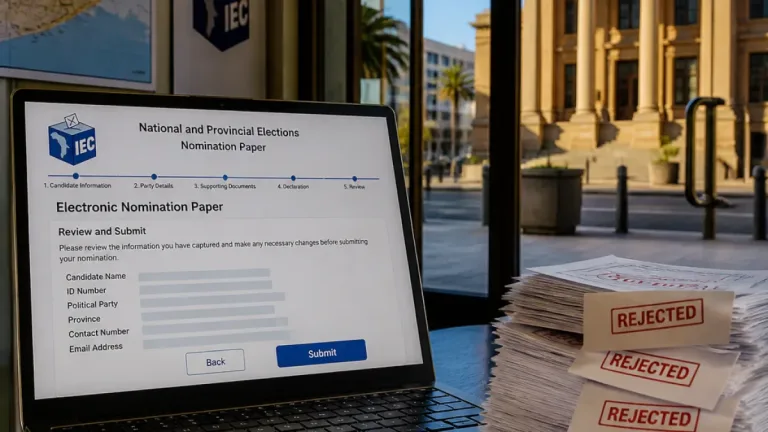
The IEC cautioned that not all initially nominated candidates will appear on ballot papers: those who failed to meet the requirements during nomination and verification will not participate. The commission has therefore finalised the lists to reflect only verified candidates.
- Total candidates: 14,349
- Ward candidates: 9,847 (for 416 ward seats)
- PR candidates: 4,502 (for 452 PR seats)
- Political parties: 106
- Independent candidates: 33
- Registered voters: 3,456,345
| Item | Number |
|---|---|
| Wards | 416 |
| Municipalities | 25 |
| Men candidates | 8,780 |
| Women candidates | 5,569 |
Implications for voters in the Western Cape
With more than 3.4 million registered voters, the Western Cape remains a focal point for contestation ahead of local government elections. Voters should expect detailed lists at voting stations showing ward candidates and party PR lists. The size of the candidate pool will make voter education and clear communication from the IEC and municipal authorities especially important in the run-up to polling day.
The IEC’s finalisation of candidates also marks a shift in the campaign calendar: political parties and independents now know their formal opponent lists and can plan targeted ward campaigns. For municipal administrations, the coming weeks will be used to finalise logistics for ballot papers, voting stations and personnel.
What the IEC says next
The IEC confirmed it will continue preparations to ensure the elections are conducted in a “free, fair and credible manner”, emphasising that citizen participation remains central to the process. Further practical information on voting times, special voting arrangements and the location of voting stations will be provided by the commission as these arrangements are finalised.
The numbers published by the IEC frame what promises to be a complex and closely watched local election cycle in the Western Cape, where ward-level contests can have outsized effects on service delivery, local governance and coalition politics.
Reporting from Cape Town.