
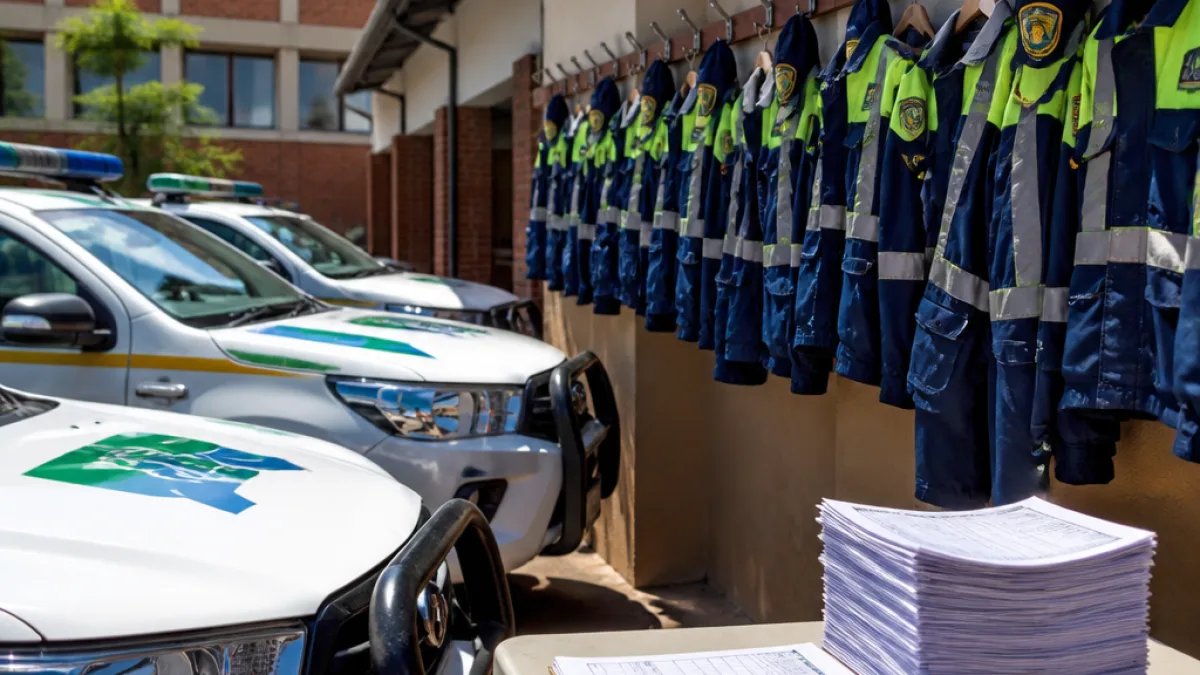
The Mpumalanga Department of Safety and Security and Liaison paid almost R53 million over an 11-month period to 1 200 Crime Prevention Wardens who were reportedly not actively deployed, News24 reported on 2 September. The payments, described in the report as covering wardens who were effectively "sitting at home", have sparked concern about oversight and value for money in provincial safety expenditure.
What the report says
According to the News24 item, the provincial department disbursed nearly R53 million between unspecified start and end dates covering an 11-month window to a cohort of 1 200 wardens. The story characterises the wardens as being paid while not in active service. The report does not provide detailed line‑by‑line accounting or the department’s explanation for the status of the wardens during that period.
Why this matters locally
Crime prevention wardens are intended as a visible, community-based complement to policing: they deter petty crime, provide basic public order functions and act as a link between residents and the South African Police Service (SAPS). If payments were made for personnel who were not deployed, the province loses both money and capacity at a time when communities expect visible safety interventions.
- Amount reportedly paid: R53 million
- Period covered: 11 months (as reported)
- Number of wardens: 1 200
For residents across towns such as Mbombela, Middelburg and Emalahleni, the effective absence of wardens despite payments would mean fewer neighbourhood patrols and slower responses to low‑level incidents that often escalate if left unchecked.
Accountability and oversight questions
The revelation raises several oversight questions for elected officials and provincial administrators: were these wardens placed on paid leave, awaiting redeployment, or otherwise unavailable for duty? Were contractual terms met and were these payments properly authorised and audited under provincial financial management rules?
Provincial spending on public safety is routinely subject to audit by the Auditor‑General and oversight by the provincial legislature. If the wardens were paid while not performing approved functions, those processes should identify the cause and recommend corrective measures.
What residents should know and do
At a practical level, residents concerned about safety or apparent lapses in service delivery can take the following steps:
- Contact the Mpumalanga Department of Safety and Security and Liaison for clarification on the wardens’ status and the purpose of payments.
- Report local safety concerns to SAPS and follow up with ward councillors or the mayor’s office if community safety resources are lacking.
- Ask ward committees and community policing forums for transparency on how local safety programmes are funded and staffed.
Wider implications
Public perceptions of safety are closely linked to visible service delivery. Funds paid for non‑deployed personnel effectively reduce the budget envelope for active programmes — from equipment and training to fuel for patrols. Mpumalanga’s tourism and local economies also depend on visible safety measures; any erosion of those services could have wider social and economic consequences.
| Item | Reported figure |
|---|---|
| Amount paid | R53 million |
| Number of wardens | 1 200 |
| Period | 11 months (as reported) |
At the time of publication, the News24 report forms the basis of these figures. The provincial department has not been quoted in the published report appended to the coverage used here. Follow‑up reporting should establish whether payments were legitimate under contractual or policy provisions and whether corrective action or audit findings will follow.
The situation underscores the need for clear, timely communication from provincial departments when sizeable public funds are involved in community safety programmes. Residents have a right to know how money allocated for their protection is being used.
Nomsa Mahlangu is the Mpumalanga correspondent based in Mbombela, tracking how governance and service delivery affect communities across the province.













