Surveillance cameras, ambassadors and cleaner streets form KCIP
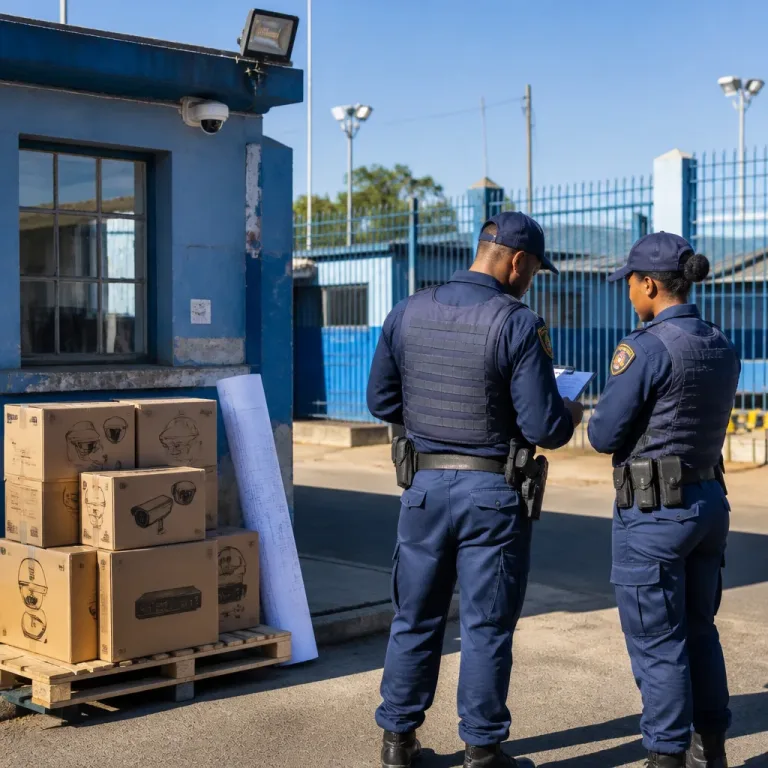
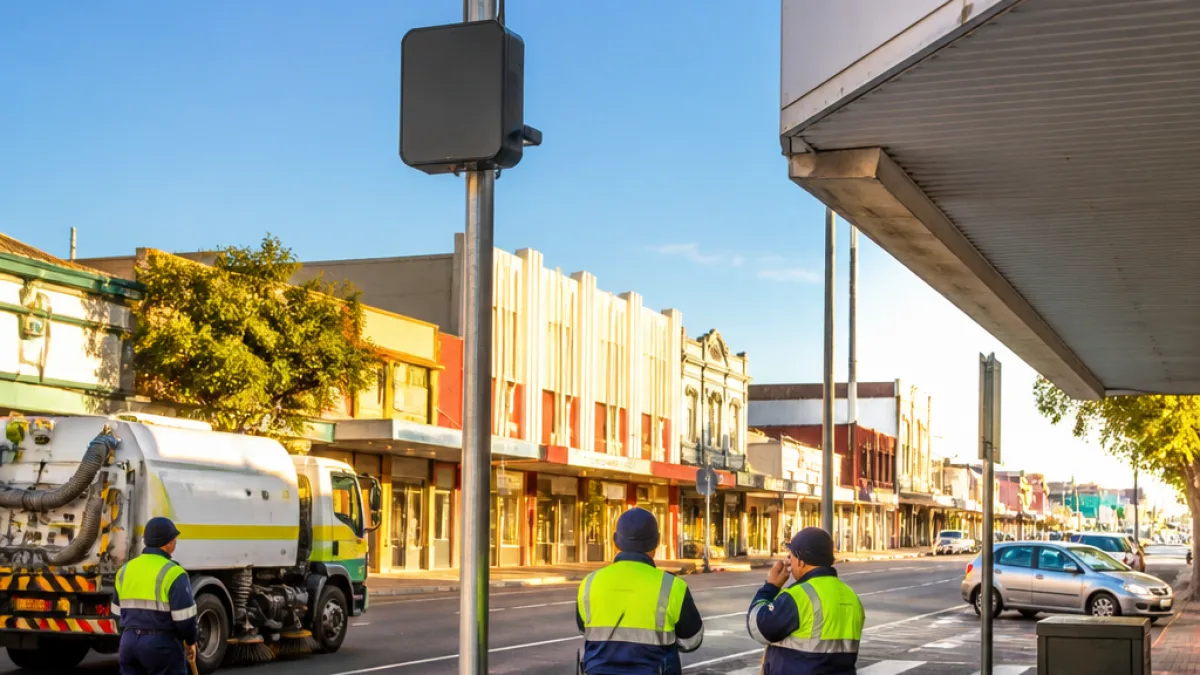
Krugersdorp has entered a new phase in public‑safety planning after the Business Policing Forum (BPF) formally launched the Krugersdorp City Improvement Plan (KCIP) on 14 August. The programme pairs automated surveillance cameras with a suite of interventions — including city ambassadors, intersection safety measures and a street‑cleaning drive — intended to support the police and reduce crime in the central business district.
BPF chairperson Tony Dobson described the cameras as one part of a broader 12‑month campaign to make the CBD safer and more attractive for traders, workers and visitors. The system installed during the launch includes cameras with automated number‑plate recognition and facial recognition capabilities, technology the BPF says will help law‑enforcement efforts.
"Krugersdorp stands at a decision point," Dobson said, adding that the BPF aims to become a fully operational partner in the city’s safety and development.
Early results and system functions
In its first 24 hours the system recorded and flagged people and vehicles the BPF said were of interest. The data released by organisers showed:
- 6 individuals flagged by the cameras within the first day;
- 3 358 vehicles recorded by the system during the same period.
| Metric | First 24 hours |
|---|---|
| Individuals flagged | 6 |
| Vehicles recorded | 3 358 |
Beyond crime detection, the BPF said the technology can be used for traffic‑flow analysis, identifying maintenance needs and supporting enforcement activity. These secondary uses are being promoted as ways to improve urban management in the CBD.
How the KCIP will work on the ground
The KCIP is being positioned as an integrated package rather than a single‑technology fix. The planned components for the coming 12 months include:
- expanded camera coverage across the CBD with automated recognition tools;
- a team of city ambassadors to provide visible presence and assist the public;
- an intersection safety initiative aimed at reducing collisions and improving pedestrian safety;
- a cleaner‑streets programme to address litter and the appearance of public spaces.
Dobson said the BPF intends to expand the KCIP to other parts of Krugersdorp and is encouraging local businesses to participate and contribute. Businesses interested in joining were given a contact number and an email address to register support and obtain further details.
Local context and considerations
Krugersdorp’s move mirrors a broader trend in South African municipalities and business forums that are investing in surveillance and place‑management programmes to tackle crime and urban decay. For residents and traders in the CBD, the KCIP promises quicker investigative leads and a more managed environment, but it also raises questions about privacy, data governance and oversight which have not yet been addressed in public detail.
When new camera systems with automated recognition are introduced, regulatory and operational frameworks are important. These include clarity on who has access to footage and analytics, how long data is retained, and how flagged matches are handled before police take action. The KCIP launch materials state the initiative is intended to assist law enforcement, though finer procedural details were not released at the unveiling.
Police representatives attended the launch, according to organisers, signalling co‑operation between the BPF and law‑enforcement agencies in the immediate rollout. The BPF described the cameras as a tool to support police work rather than replace routine policing functions on the ground.
How to get involved
Businesses wishing to support or participate in the KCIP were given the following contacts at the launch:
- Phone: 069 946 0581
- Email: kdpbusinesspolicingforum@gmail.com
As Krugersdorp’s CBD adapts to this new surveillance and place‑management effort, residents and traders will be watching how quickly promised improvements materialise and how issues of oversight and privacy are managed alongside efforts to reduce crime and improve public space.