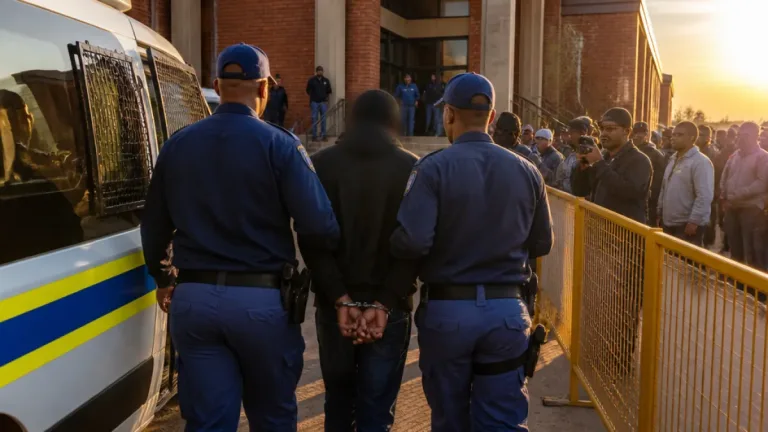
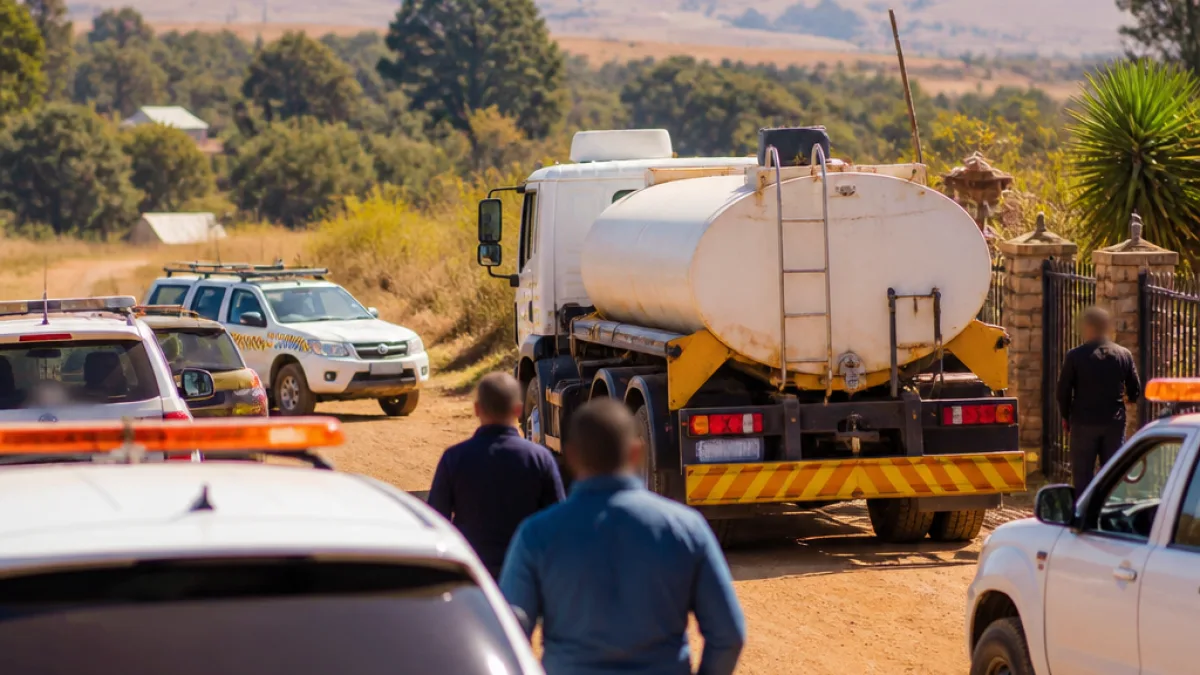
A municipal water tanker that was hijacked in eMzinoni, near Bethal, on 20 August was located roughly 400 kilometres away in Kanyamzane, outside Nelspruit, after a coordinated response by private tracking services, neighbourhood watches and AfriForum, according to local coordinators.
How the recovery unfolded
The incident began when the municipal water tanker was taken in eMzinoni. Shortly after the hijacking, AfriForum’s District Coordinator for the Mpumalanga Highveld, Hennie Bekker, engaged private control rooms across the region to search security-camera footage for the vehicle.
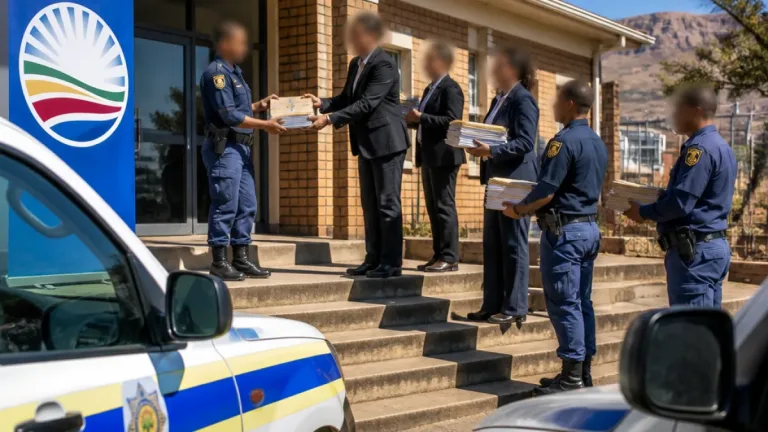
At about 20:00 that evening the tanker was spotted near Nelspruit. AfriForum’s Nelspruit neighbourhood watch was alerted and, working with private tracking service Netstar, carried out further investigations that culminated in the vehicle’s recovery. Members of the neighbourhood watch were instructed to stop the truck and apprehend the suspects; Netstar played a central role in locating the vehicle.
Links to other thefts and broader patterns
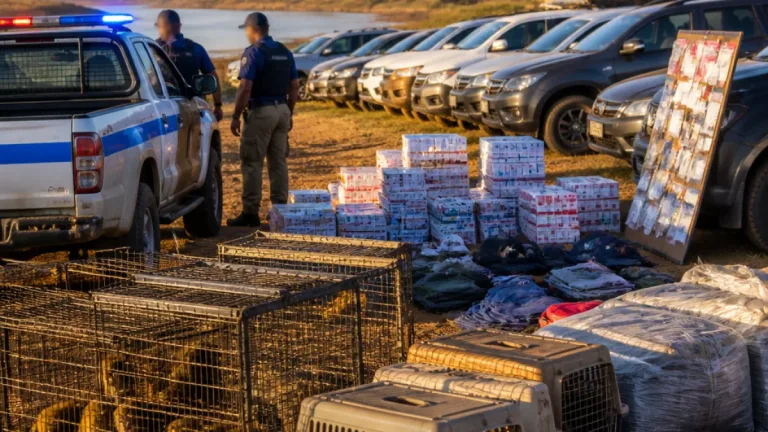
Investigators found a trailer at the same location that had been stolen in Middelburg in 2017. That discovery suggests the suspects may have been using, or accumulating, stolen equipment across the province.
Bekker linked the hijacking to an emerging pattern of syndicate activity in the province. He referenced research by tracking company Tracker that identified Mpumalanga as a new hotspot for hijackings in 2025, with a focus on business vehicles and trucks. He stressed that the province’s geography — including its border with Mozambique and the road network that provides rapid routes out of the region — made it attractive to organised criminals.
"Due to its location bordering Mozambique, Mpumalanga is a vulnerable target for hijackings. The province's road network offers an ideal escape route for criminals to take stolen vehicles across the border," Bekker said.
Local consequences and the role of community collaboration
For Bethal residents, the episode highlights two immediate concerns: the vulnerability of municipal assets used for essential services, and the growing boldness of organised groups targeting service and commercial vehicles. Water tankers supply communities that often depend on municipal deliveries; their loss or diversion can have direct effects on access to water in areas already under pressure from periodic shortages.
Bekker emphasised the importance of cooperation between community-based organisations and private security providers. He said the use of technology and readiness were decisive in this case, and urged greater awareness of the province’s weak points so preventative measures can be taken.
- Vehicle: Municipal water tanker hijacked in eMzinoni (Bethal area)
- Date: 20 August (hijacking); spotted about 20:00 near Nelspruit same evening
- Recovery location: Kanyamzane, outside Nelspruit (approx. 400 km from Bethal)
- Additional finding: Trailer stolen in Middelburg in 2017 recovered at the same site
| Item | Detail |
|---|---|
| Origin of theft | eMzinoni, near Bethal |
| Recovery site | Kanyamzane, outside Nelspruit |
| Timeframe | Hijacked 20 August; spotted near Nelspruit at ~20:00 |
What this means for Bethal and the region
The case underscores the growing sophistication of vehicle-related syndicates in Mpumalanga and the need for municipal asset protection strategies. For Bethal municipal officials and ward councillors, the incident is likely to prompt questions about how municipal vehicles are secured, how quickly incidents are reported to law enforcement, and whether additional tracking devices and camera coverage should be standard for service fleets.
While the recovery is welcome, it also points to the need for coordinated responses that bridge municipal, private-security and community resources to counter syndicates that move stolen assets quickly across provincial borders. For residents who rely on municipal water deliveries, the event is a reminder of the fragility of service delivery when infrastructure is targeted by criminal networks.
Authorities in the province have been urged to consider targeted interventions informed by Tracker’s research and by practical security measures, including improved vehicle tracking and community reporting channels. Bekker said these steps, combined with preparedness and technology, can limit the advantage that criminals currently have on the province’s roads.