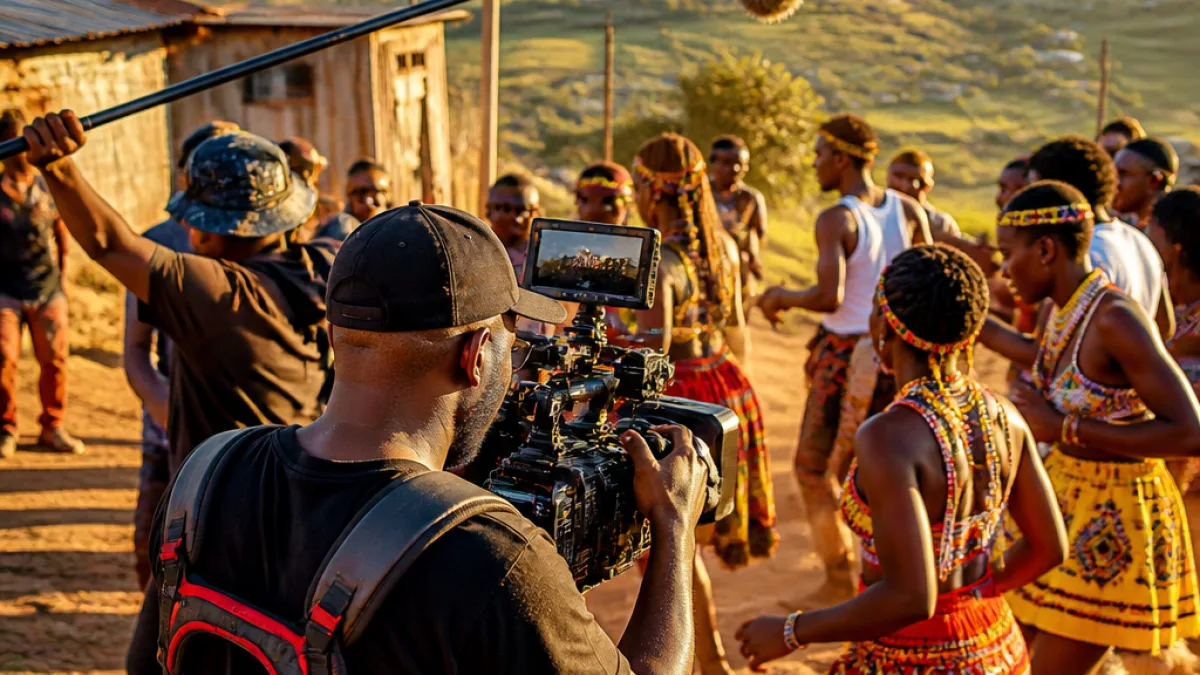
Siyabonga “Atchaar” Nkosi, a 26-year-old hip-hop and Afro-pop artist from Elukwatini, has released a new single titled “Mpumalanga Anthem” and is producing a music video to accompany the track. The song, which features Veekay Simba, is intended to celebrate the province’s people, cultural heritage and natural beauty, and to inspire pride among young residents.
Roots and influences
Nkosi began his musical journey in 2011 and launched his solo career in 2014. Over roughly 15 years he has worked as an independent musician, songwriter and producer. He credits early influences from his childhood, in particular his grandfather and a former classmate, Khabo Mathenjwa, for sparking his interest in music and storytelling.
“I love the way music can connect people and tell stories. Growing up, I realised that music could be a powerful way to express, represent and share the beauty of where I come from,” he said.
He composes primarily in siSwati and blends hip-hop with Afro-pop elements. That fusion allows him to experiment with contemporary sounds while retaining a strong cultural identity.
Message and ambition
According to Nkosi, “Mpumalanga Anthem” is more than entertainment: it is a deliberate effort to tell authentic South African stories and showcase Mpumalanga’s cultural richness. The track highlights local traditions, everyday life and the province’s landscapes as part of an effort to promote pride and visibility for artists from smaller towns and villages.
Featuring fellow artist Veekay Simba, the single aims to reach young listeners and encourage them to express themselves through creative work. Nkosi’s approach is grassroots and community-focused, reflecting the experience of many independent musicians who operate outside major label systems.
What this means locally
For Mpumalanga’s creative sector, localised music projects like Nkosi’s serve several functions: they create cultural products that validate regional identity, provide role models for aspiring artists, and can have modest economic spin-offs if a song or video attracts broader attention.
In practical terms, independent artists often manage multiple roles — from songwriting and production to promotion and video direction. That makes visibility through a provincial anthem-style release valuable, because it can open doors to radio play, performance bookings, and collaborations.
- Artist: Siyabonga “Atchaar” Nkosi (26), Elukwatini
- Single: “Mpumalanga Anthem” (featuring Veekay Simba)
- Genres: siSwati hip-hop, Afro-pop
Timeline and milestones
Nkosi’s musical milestones are straightforward and localised, reflecting a long-term development from early enthusiasm to a matured solo project.
| Year | Milestone |
|---|---|
| 2011 | Started musical journey |
| 2014 | Began solo career |
| 2026 | Released “Mpumalanga Anthem” and filming of music video |
Practical information for local audiences
Residents who want to follow the release and video launch should look to Nkosi’s supplied channels and local event listings for upcoming performances or video premiere dates. For young musicians, his pathway underlines the importance of community support, collaboration with fellow artists and persistence in producing and promoting work independently.
Context for Mpumalanga’s creative economy
Mpumalanga hosts a wide range of cultural activity, from school choirs to independent musicians. Projects that foreground regional identity can help build a narrative that supports cultural tourism and local festivals, particularly when artists highlight landscape, heritage and community in ways that resonate beyond urban centres.
Nkosi’s use of siSwati in contemporary styles contributes to the broader trend of artists blending indigenous languages with modern genres to reach diverse audiences while maintaining linguistic and cultural authenticity.
As he rolls out the video for “Mpumalanga Anthem”, the measure of its impact will be both cultural — whether it helps foster pride and recognition — and practical, in terms of airplay, streaming and live gig opportunities for Nkosi and collaborators such as Veekay Simba.
The release is a reminder that many of Mpumalanga’s stories and sounds continue to emerge from small towns and villages, carried by artists who balance creativity with grassroots promotion to ensure local voices are heard.