
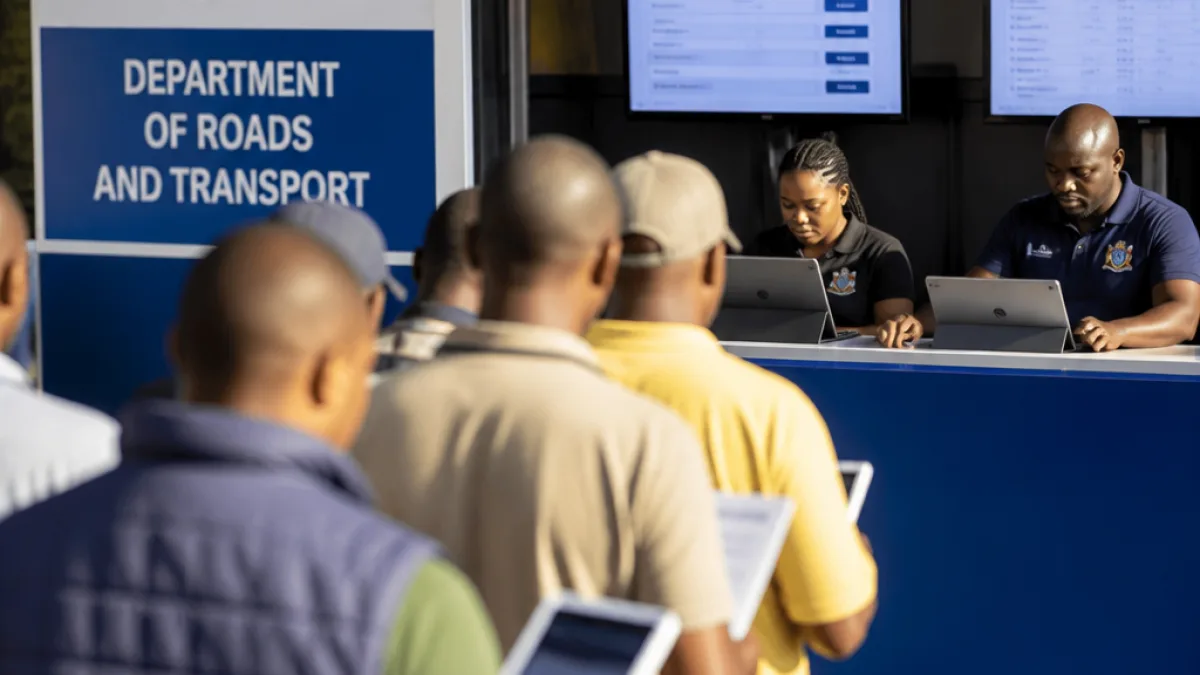
The Gauteng Department of Roads and Transport has reported brisk early use of its new digital licensing platform, the Gauteng Public Transport Regulatory Information System (GPTRIS), with 220 applications processed between 1 and 14 September 2026 and more than 30 operating licences issued in over-the-counter transactions during the same period.
Modernising licence applications
MEC Kedibone Diale-Tlabela urged public transport operators who have not yet submitted applications to make use of the available digital and in-person channels and the department’s support services. She said the numbers were an early sign that operators were welcoming a more efficient and transparent regulatory environment.
“Receiving 220 applications within the first two weeks of implementation is a strong indication that operators are embracing a more efficient and transparent regulatory environment,”
Diale-Tlabela described the move to GPTRIS as part of a broader effort to simplify regulatory processes, reduce administrative barriers and create an enabling environment for operators to thrive. The MEC emphasised that a well‑regulated and efficient public transport sector is “critical to economic growth, job creation and the daily movement of millions of residents”.
What GPTRIS aims to do
The department says GPTRIS is a digitally enhanced system developed to:
- simplify compliance and streamline operator registration;
- reduce fraud related to the granting and issuing of operating licences;
- improve data management and the efficiency of receiving and processing applications.
Officials told reporters the system is designed to speed up turnaround times and make application status transparent for applicants. It also supports over‑the‑counter transactions for operators who prefer in-person assistance.
Early figures and what they mean
The department provided the initial uptake figures for the first two weeks of the system’s implementation. While the numbers are modest against the full population of Gauteng’s public transport operators, they are notable for an initial roll‑out phase and for showing a mix of digital and in‑person engagement.
| Period | Applications processed | Operating licences issued (over‑the‑counter) |
|---|---|---|
| 1–14 September 2026 | 220 | More than 30 |
The department framed these figures as an early vote of confidence in the digital system and in the province’s efforts to modernise public transport regulatory services.
Implications for operators and commuters
For taxi owners, bus operators and other public transport providers, a functioning and reliable licensing system can reduce delays, lower the cost of compliance and cut the opportunities for fraudulent intermediaries. For commuters, improved regulation can lead to better service reliability and enhanced safety standards.
However, the success of GPTRIS will depend on how the department manages system load, provides user support for operators with limited digital access, and responds to any technical teething problems during a broader rollout.
Access and support
The MEC encouraged operators who had not yet applied to use the department’s multiple application channels—both online via GPTRIS and through supported over‑the‑counter services. The department said it is offering assistance to operators who need help registering or submitting documentation.
Transport stakeholders will be watching for regular updates on processing times, the number of licences issued digitally, and how effectively fraud and administrative inefficiencies are reduced over the coming months.
Trade unions, industry associations and municipal transport offices will also play a role in ensuring the system works for operators across Gauteng’s urban and peri‑urban areas. For now, the first fortnight’s figures provide a snapshot of initial uptake and a starting point for monitoring the system’s impact on a sector that moves millions of people daily.
Further progress reports and more detailed data are expected as GPTRIS moves beyond its initial implementation phase.