
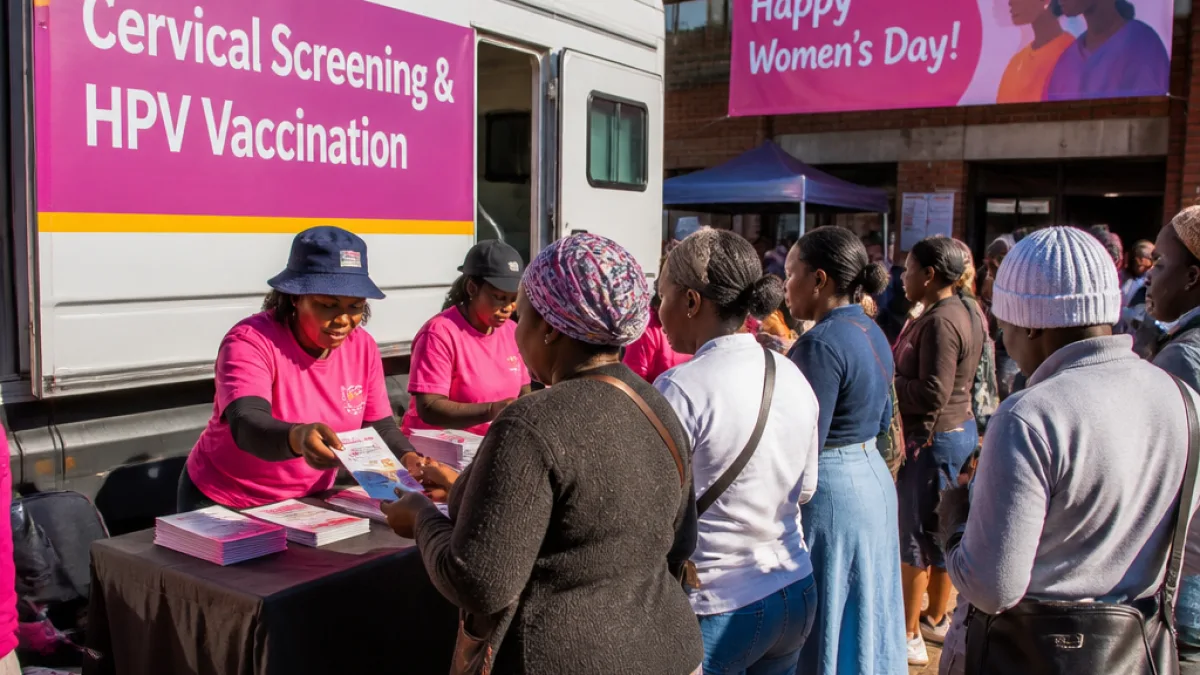
Screening drive credited with stronger uptake across province
The Gauteng Department of Health reports a 29% increase in cervical cancer screenings during the 2025/26 financial year, an improvement its health MEC linked to expanded awareness and outreach efforts across the province. The figures were released as the nation commemorated the 70th anniversary of the 1956 Women’s March and National Women’s Day events at the Union Buildings in Pretoria.
According to the provincial department, a total of 198 611 women were screened in 2025/26 compared with 153 703 in 2024/25 — an additional 44 908 women accessing a service that can detect cervical changes before they develop into cancer.
“The women of 1956 understood that progress begins when women stand up and act. Seventy years later, we honour them by ensuring that women are empowered with information and access to services that can save their lives. Every woman who goes for screening is taking charge of her health, her future and the wellbeing of her family,”
The remark was made by MEC for Health and Wellness Faith Mazibuko, who said the rise was largely due to cervical cancer awareness campaigns rolled out across all five districts from the third quarter of the 2025/26 financial year.
District performance and next steps
The department singled out the West Rand for the greatest improvement in screening numbers, while Ekurhuleni has been identified for further targeted efforts to lift uptake. No specific district-by-district screening totals were provided in the statement beyond those named.
Health officials emphasised that screening and early treatment remain central to reducing cervical cancer mortality. The World Health Organization’s Regional Office for Africa has previously noted that cervical cancer is the leading cause of cancer-related deaths among women in sub‑Saharan Africa, and that the condition is largely preventable through HPV vaccination and regular screening.
| Financial year | Number screened |
|---|---|
| 2024/25 | 153 703 |
| 2025/26 | 198 611 |
| Increase | 44 908 (29%) |
Why screening matters
Cervical screening aims to detect pre-cancerous changes in the cervix so they can be treated before progressing to invasive cancer. The department reiterated international evidence that, combined with Human Papillomavirus (HPV) vaccination, regular screening can prevent most cervical cancer deaths and that early detection improves treatment outcomes.
- Screening targets women in eligibility brackets outlined by national guidelines (check with your local clinic for criteria).
- HPV vaccination remains a key prevention strategy for younger cohorts — ask your facility about availability.
- District outreach and awareness drives were credited for the increase; women are urged to take up local screening offers.
MEC Mazibuko said the improvement was encouraging but that provincial health teams would continue with awareness and access campaigns until “every eligible woman understands the importance of screening and can access the service.” The department highlighted ongoing work to reach under‑served communities and to scale up targeted interventions where uptake remains low.
What residents should know
Women in Gauteng can access cervical screening services at public clinics and community outreach sites. Facilities typically provide information on eligibility, appointment arrangements and follow‑up care for abnormal results. Patients are encouraged to contact their nearest clinic for details on hours and any upcoming awareness events in their area.
With cervical cancer still a major cause of female cancer mortality in the African region, the provincial uptake gains represent a step forward. Health officials stressed, however, that sustained effort and expanded vaccine coverage are required to achieve long‑term reductions in disease burden.
Reporting from Johannesburg.











