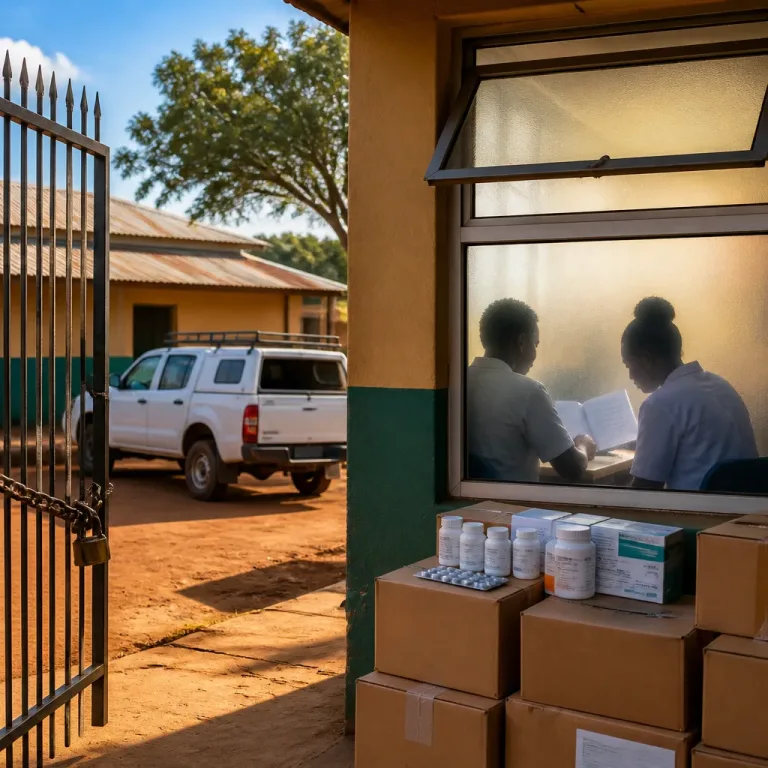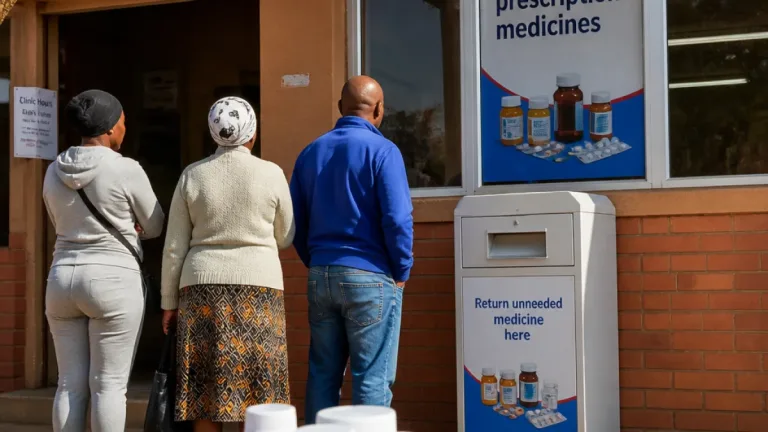

The Gauteng Department of Health (GDoH) has launched a formal investigation after receiving complaints that some patients were paying officials to skip queues and obtain faster access to appointments, patient files and medication at public hospitals and clinics.
Serious allegations, criminal exposure
Gauteng Health described the complaints as serious and said it was probing their credibility and whether staff were soliciting or accepting payments. The department warned that any official found to have taken money in return for preferential treatment could face both disciplinary and criminal action under the Prevention and Combating of Corrupt Activities Act.
“The allegations are so serious that we have commenced to investigate the credibility of those allegations and also to understand whether our officials are soliciting or accepting bribes from patients,” said the department spokesperson, Steve Mabona.
In a media statement Gauteng Health emphasised that patients must access services through established processes and that no person should be allowed to use money to gain advantage in accessing public healthcare.
How the complaints emerged and what the department advises
The details released so far say the complaints allege staff members were accepting payments to schedule appointments, retrieve patient files and facilitate quicker medicine collection at facility pharmacies. The department urged patients who are approached for bribes to report the incident immediately, preferably while still at the healthcare facility so that on-site intervention and investigation can take place.
Gauteng Health directed members of the public to lodge complaints with the Office of the Chief Executive Officer (CEO) or the facility Quality Assurance Office. It also called on the public to cooperate with investigations to protect the integrity of the health system.
Practical steps for patients
Patients who believe they have been solicited for a bribe or observed queue-jumping should consider the following steps to preserve evidence and enable action:
- Report the incident immediately to the facility’s CEO or Quality Assurance Office.
- Note the time, names or descriptions of staff involved and any witnesses.
- Keep any messages, receipts or photographs that may support the complaint.
- Request a written acknowledgement of your complaint from the facility.
Gauteng Health said complaints lodged while still at the facility enable immediate intervention and help investigators gather fresh evidence.
Accountability and legal framework
The department reminded healthcare workers that accepting money or any other benefit in exchange for performing, expediting or giving preferential treatment in the execution of their official duties may constitute a criminal offence under the Prevention and Combating of Corrupt Activities Act. If proven, offending staff could face disciplinary hearings, dismissal and criminal charges.
Public confidence in the free public health system depends on predictable, fair access to services. Allegations that cash changes the order in which patients are seen strike at that trust, especially for those who rely entirely on public facilities for chronic medication and routine care.
Where to report in Gauteng
| Reporting channel | Purpose |
|---|---|
| Office of the CEO (facility) | Initial complaint and immediate intervention |
| Quality Assurance Office (facility) | Formal investigation and record-keeping |
Gauteng Health said it welcomes reports from staff and patients and will treat credible complaints seriously as part of efforts to root out corruption.
Local impact and context
Across Gauteng, public hospitals and clinics are already under pressure from high patient volumes. Any practice that allows some patients to pay for faster service heightens inequality and can delay care for others, including those needing chronic medication or urgent follow-up care.
The department’s move to investigate is an early test of how robustly health authorities will respond to allegations that undermine equal access. For now, the GDoH’s public appeal is simple: do not pay for services you are entitled to, and report anyone who asks you for money in exchange for care.
Reporting allegations promptly gives investigators the best chance to collect evidence and hold staff to account, the department said.