
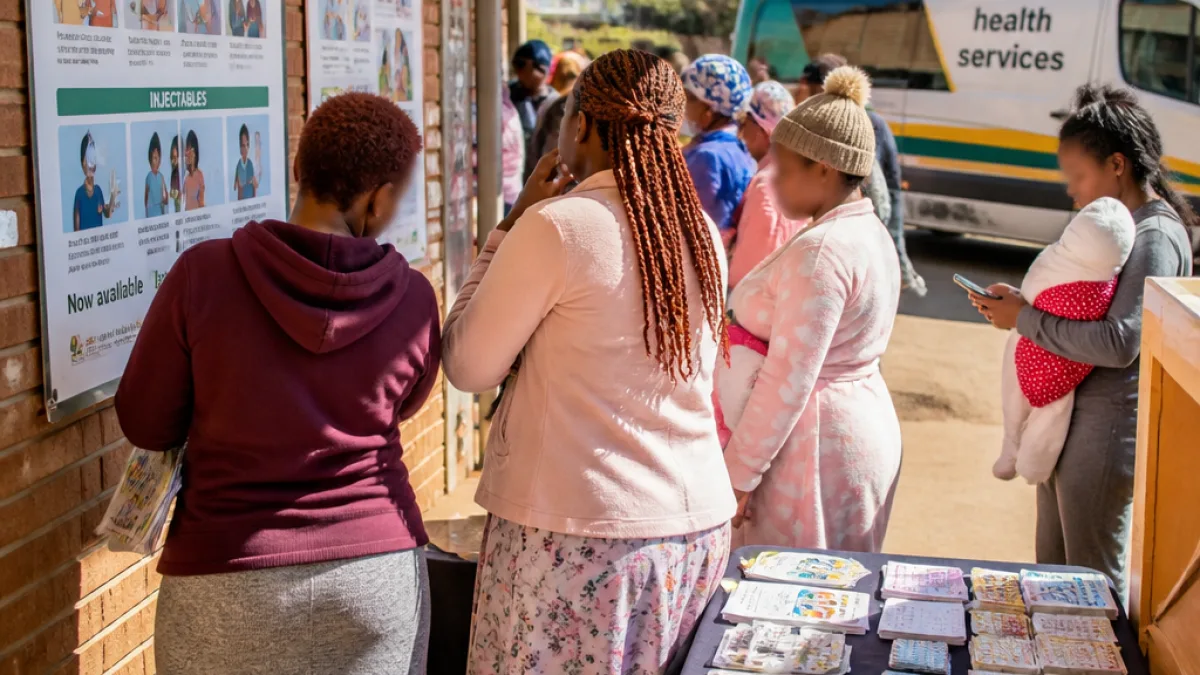
Gauteng health authorities have raised the alarm after new figures showed a steep shortfall in the number of women using contraceptive services — a trend they link to continued rates of unplanned pregnancies across the province.
Low uptake falls short of provincial target
Data released by the Gauteng Department of Health indicate that during the first quarter of the 2026/27 financial year only 32.45% of eligible women accessed contraceptive services. The department's internal target for the period was 43%, leaving a substantial gap between service availability and utilisation.
| Indicator | Value |
|---|---|
| Contraceptive service uptake (Q1 2026/27) | 32.45% |
| Provincial target | 43% |
Provincial health spokesperson Steve Mabona emphasised the risks associated with under‑use of contraception, pointing to national estimates that link about 75% of unintended pregnancies to low contraceptive uptake.
“The Department therefore encourages women and girls of reproductive age to make use of these services to prevent unintended pregnancies and improve their overall reproductive health outcomes,” Mabona said.
Methods are available free at public facilities
The department stressed that a wide range of contraceptive options is available free of charge at public clinics, community health centres, hospitals and mobile services across Gauteng. Methods listed include:
- Long‑acting reversible contraception such as Implanon and intrauterine devices (IUDs)
- Injectables, including Nur‑Isterate and Depo‑Provera
- Oral contraceptives like Triphasil, Microval and Nordette
Health staff trained in counselling, insertion and removal of long‑acting methods are available at public facilities, the department said. Officials urged women to consult health workers about the option best suited to their needs.
Misinformation and fear cited as barriers
Gauteng Health said many women avoid contraception because of concerns about side effects or unfounded fears that contraceptives can cause infertility. Concerns such as perceived weight gain were commonly mentioned, the department reported, and were often linked to misinformation or limited knowledge about different methods.
Officials called for enhanced education and targeted communication campaigns to address these misconceptions so that informed reproductive decisions can be made.
What this means for communities
Lower-than-expected use of contraception has practical implications for families and local health services. Unplanned pregnancies can increase demand for antenatal, delivery and paediatric care and may place additional pressure on social services in already stretched communities.
Community health workers and clinic staff are often the first point of contact. Women who are unsure about side effects or who have experienced problems with one method are encouraged to return to their clinic to discuss alternatives rather than stopping contraception altogether.
Where to get help
Women and girls in Gauteng can access contraceptive services at public healthcare sites and through mobile outreach teams. Health centres provide counselling and clinical services at no cost.
- Ask for contraceptive counselling at your nearest clinic or community health centre.
- If you experience side effects, report them to a healthcare provider — alternatives are available.
- Parents, schools and community organisations can request outreach sessions to improve awareness.
Gauteng Health reiterated that removing barriers to contraception is a core part of improving reproductive health outcomes. The department said it will continue to monitor uptake and strengthen messaging to counter myths that limit access.
For now, health officials are urging women not to rely on hearsay and to discuss any concerns with trained staff at public facilities, where a range of methods and follow‑up care are provided free of charge.











