Overview
Lubbock Code Enforcement enforces municipal property standards that reach beyond mowing the lawn. City rules cover overgrown vegetation, improperly stored junk, junk or inoperable vehicles and housing that has become unsafe. While the city rarely acts without notice, property owners should understand what can trigger an enforcement action and what consequences can follow.
Common triggers for a violation
- Vegetation: Uncultivated weeds and vegetation taller than 8 inches are considered a violation under city standards.
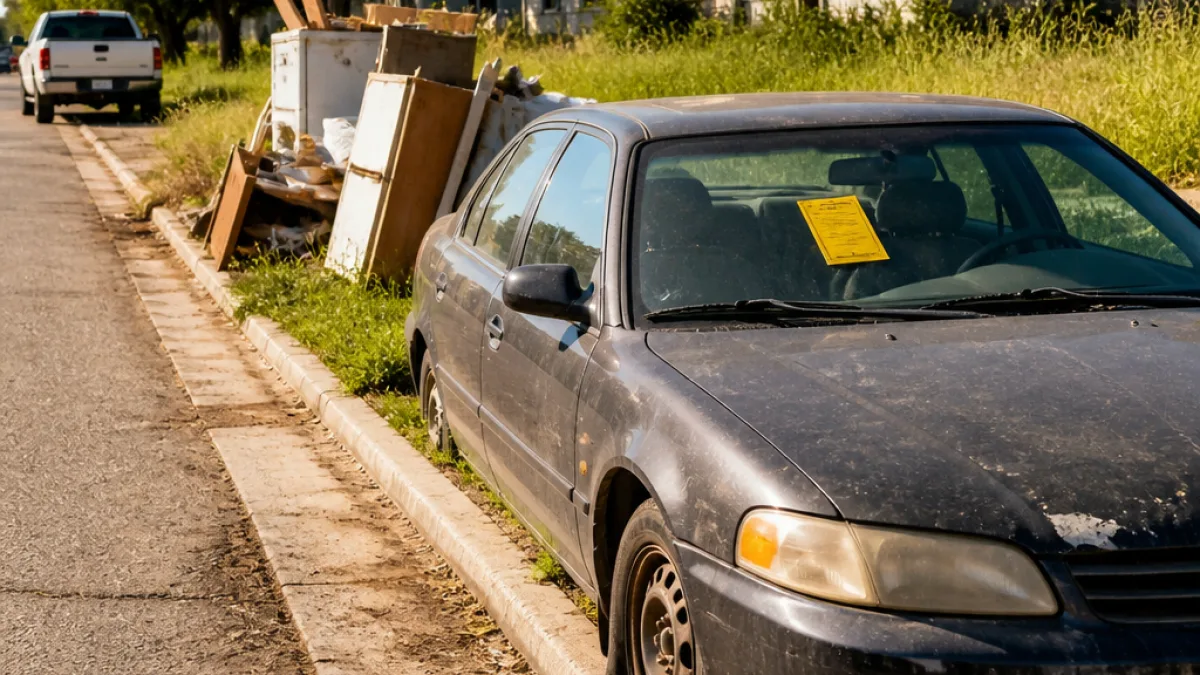
- Junk or improperly stored items: Large piles of broken furniture, old appliances, building materials or tree limbs that are visible from the street or an alley can be classified as improperly stored items or a public nuisance.
- Junk vehicles: Cars that do not run, are wrecked, abandoned, dismantled, have expired or no registration, or have not been moved from the same spot for more than one month may be considered junk vehicles.
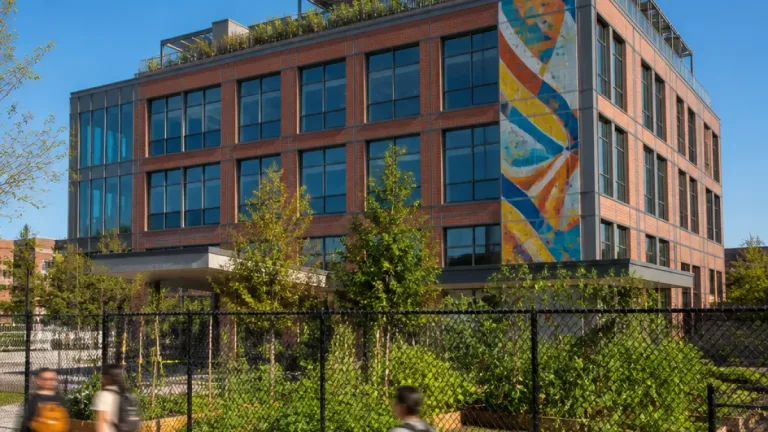
- Unsafe housing: Minor defects such as missing siding can be cited, but more serious deterioration that renders a structure unsafe may prompt stronger enforcement.
What happens after a violation is noticed
Property owners are not immediately subject to drastic action for minor infractions. For example, when vegetation exceeds allowed heights, the city typically provides a short period to remediate before contracting private mowing services. If the city hires a contractor to remedy the condition, the property owner will receive a bill for the work.
"Take care of it now before it's too late."
The source material emphasizes that many violations can be resolved by addressing the condition promptly. Visible junk, long-stationary cars and deteriorating homes can be fixed by the owner to avoid formal notices, contractor work or further legal steps.
Local consequences and what residents should do
For Lubbock residents, understanding the line between routine maintenance and a code violation can prevent additional costs and enforcement action. Practical steps include:
- Monitoring lawn and vegetation height and mowing before it reaches 8 inches.
- Removing or properly storing bulky waste, appliances and building materials so they are not visible from public right-of-way.
- Addressing non-running or long-stationary vehicles: either repair, remove, or ensure current registration and periodic movement if stored on private property.
- Repairing minor building issues promptly and addressing signs of structural decline before they are deemed unsafe.
| Issue | Trigger | Typical city response |
|---|---|---|
| Vegetation | Weeds/vegetation over 8 inches | Notice; typically ~1 week before contractor mowing and billing |
| Junk piles | Visible broken furniture, appliances, materials | Notice to remove; possible nuisance designation |
| Junk vehicles | Nonrunning, wrecked, unregistered, unmoved >1 month | Notice; potential removal or citation |
| Unsafe housing | Serious deterioration or safety hazards | Stronger enforcement; required repairs |
Knowing the timeline is important. For grass and vegetation, the city generally allows about a week to comply before hiring a contractor to abate the condition, and that work will generate a bill to the homeowner. For vehicles, the defining window is whether a vehicle has stayed in the same spot for more than one month.
Protection and prevention
Residents who receive a notice from Code Enforcement should respond quickly to the instructions provided. Timely action avoids additional cost, potential liens or escalation of enforcement. If you are unsure whether a condition on your property violates city code, consult the City of Lubbock Code Enforcement resources or contact the department to clarify requirements and deadlines.
Lubbock’s property standards aim to protect neighborhoods from blight and safety hazards. Simple, regular maintenance and attention to visible junk or long-stationary vehicles can reduce the likelihood of a notice and limit municipal intervention.