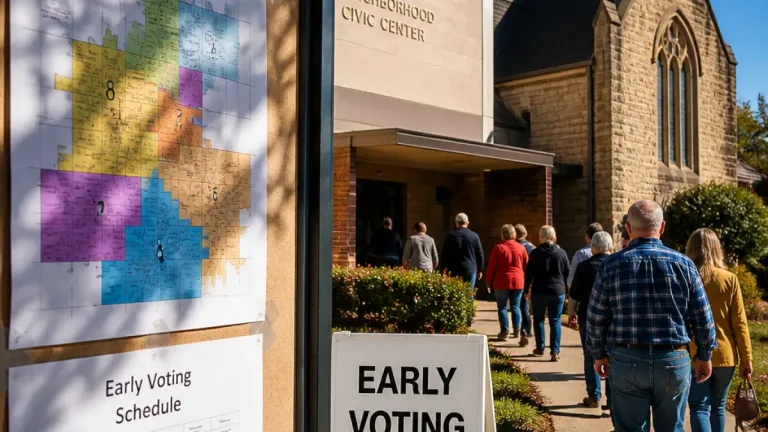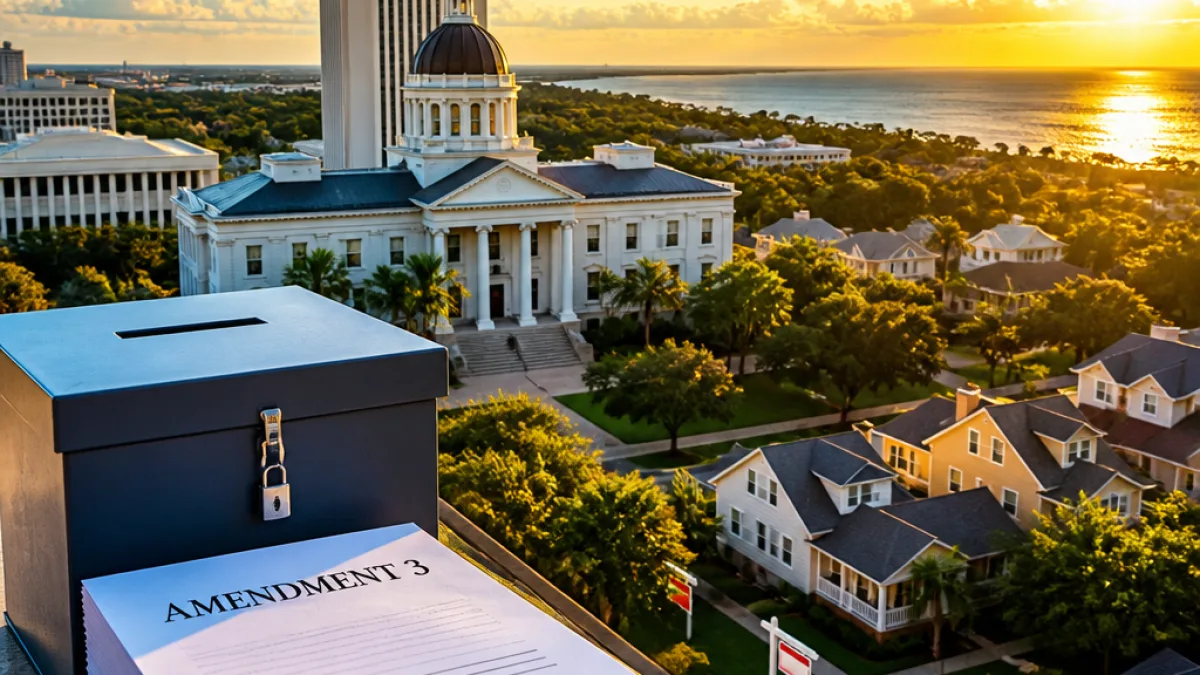
Voters in Florida are being asked to consider Amendment 3, a proposed property tax change pitched by supporters as urgent relief for homeowners struggling with rising housing costs. Backers describe it as long‑overdue help for people who have seen property values and living expenses climb. Opponents counter that the measure could shift costs onto renters, undermine local government budgets and force cuts to programs families depend on.
What supporters say
Proponents of Amendment 3 frame the proposal as direct relief for homeowners who face growing property tax bills in an increasingly expensive state. They argue that tax changes like the one on the ballot would provide predictable benefits to primary homeowners and help preserve homeownership for long‑time residents whose property assessments have ballooned.
Concerns from critics
Opponents argue the amendment's fiscal tradeoffs could be significant. Local governments rely heavily on property tax revenue to fund schools, public safety and other services. Critics warn that if the amendment reduces local tax receipts, municipalities and counties could respond in several ways — raising rents where landlords pass on higher costs, cutting services, or reducing funding for programs that low‑ and middle‑income families use.
Those warnings underline a key tension in property tax debates: measures that aim to ease burdens for one group can have ripple effects that alter funding priorities and economic burdens elsewhere in the community.
Where the state stands now
Florida homeowners and local officials will be watching closely as the discussion over Amendment 3 proceeds. The state has seen strong population growth, sustained demand for housing and rising property values in many areas — conditions that increase the stakes of tax policy decisions. Lawmakers, local finance officials and advocacy groups are expected to weigh in on projected revenue impacts and implementation details if the amendment passes.
| Issue | Potential outcome |
|---|---|
| Homeowner relief | Lower property tax bills for qualifying primary residences |
| Local government revenue | Possible reduction in funds for schools and services |
| Renters | Risk of higher rents if landlords shift costs |
Other statewide headlines to watch
As Floridians consider the amendment, several other developments are drawing attention across the state:
- Atlantic disturbances: Forecasters are monitoring three disturbances across the Atlantic, including one that could become the season's next named storm. Officials and residents remain alert despite a relatively quiet hurricane season so far.
- Parkinson's treatment study: Researchers in South Florida report that an MRI‑guided ultrasound treatment eased Parkinson's symptoms, with benefits that lasted at least a year in the study participants.
- ZooTampa veterinary care: Animal caretakers at ZooTampa say they are using acupuncture for a variety of species — manatees, ducks, reptiles and even an alpaca — to help animals recover from injuries and manage chronic conditions.
What voters should consider
When a constitutional amendment or ballot initiative would change how taxes are collected or capped, voters should consider both the immediate impact on household budgets and the secondary effects on services and housing markets. Questions to ask include: Which homeowners would benefit and by how much? How would local governments make up any shortfall? Could landlords pass costs onto renters?
Public hearings, fiscal notes from nonpartisan analysts and statements from county and municipal officials can shed light on those tradeoffs. Voters can also review expert analyses and local government projections to understand how revenue streams might be affected in their communities.
The debate over Amendment 3 highlights a familiar public‑policy tradeoff in Florida: balancing relief for homeowners with the need to sustain funding for schools, safety and services that underpin community life. As the amendment moves closer to a vote, residents across the state will be assessing which side of that balance best protects their interests.
Statewide developments — from tropical disturbances to medical research breakthroughs and innovative veterinary care — serve as reminders that policy choices interact with everyday concerns about safety, health and community resources in Florida.